
Empowering Recovery: Navigating Crystal Meth Use and Healing in the LGBT Community

Explore the intersection of crystal methamphetamine use and recovery within the vibrant LGBT community. Uncover the unique challenges faced, from societal stigma to increased HIV risk. Discover the pathways to healing and support, empowering individuals to reclaim their lives and find hope amidst adversity. Join the conversation and foster understanding today.

As we celebrate LGBT Pride Month, it’s crucial to shine a light on the challenges that the LGBT community faces, including those related to mental health and substance use. Today, I want to dive into a topic that is crucial and often lurks in the shadows: crystal methamphetamine use among the LGBT community. So, let’s settle in and chat about this important issue.

The Rise of Crystal Meth Use:

Crystal meth, also known as methamphetamine, Tina, or simply “meth,” is a potent stimulant that can have devastating effects on individuals and communities. Sadly, its use has become increasingly prevalent, particularly within the LGBT community. Why? Well, there are various factors at play.

For starters, many individuals within the LGBT community may face discrimination, rejection, or stigma, which can lead to feelings of isolation, depression, and anxiety. In search of an escape or a temporary reprieve from these struggles, some turn to substances like crystal meth.

Additionally, the party scene, with its pulsating beats, dazzling lights, and a pervasive sense of uninhibited freedom, can create an environment where the allure of energy and euphoria becomes almost irresistible. In this atmosphere of heightened sensory stimulation and social connection, the desire to amplify one’s experience may lead individuals to experiment with drugs like methamphetamine in pursuit of an intensified state of euphoria and an escape from inhibitions or emotional pain. The pressure to conform to the expectations of the scene, coupled with the perceived need to keep up with the pace and energy of those around them, can further fuel the temptation to engage in risky behaviors, including substance use.

The Dangers of Crystal Meth Use:

Now, let’s talk about the elephant in the room: the dangers associated with crystal meth use. This drug doesn’t discriminate; it can affect anyone, regardless of age, gender, or sexual orientation. From physical health risks like heart problems, dental issues (hence the term “meth mouth”), and weight loss to mental health challenges such as paranoia, hallucinations, and mood disturbances, the consequences of methamphetamine use can be severe and long-lasting.

Within the LGBT community, the dangers of crystal methamphetamine use extend beyond the physical and psychological effects of the drug itself. One particularly alarming risk is the heightened susceptibility to HIV transmission associated with methamphetamine use. Studies have shown that individuals who use meth are more likely to engage in high-risk sexual behaviors, such as unprotected sex or sharing needles, which can increase their chances of contracting HIV and other sexually transmitted infections. This is especially concerning given the disproportionate impact of HIV/AIDS within the LGBT community.

Moreover, the addictive nature of crystal meth can quickly spiral out of control, leading to dependence and addiction. What may have started as a recreational activity or a coping mechanism can rapidly evolve into a full-blown crisis, impacting every aspect of a person’s life, from relationships and work to their own sense of self-worth.

Facing the Statistics:

Let’s take a moment to look at the statistics. According to the Substance Abuse and Mental Health Services Administration (SAMHSA), individuals who identify as LGBT are more likely to use substances like methamphetamine compared to their heterosexual peers. This heightened risk underscores the importance of addressing substance use within our community and providing support and resources for those who are struggling.

The Path to Recovery:

Now, here’s the good news: recovery is possible. While the road to recovery may be challenging, it’s not insurmountable. Seeking help is the first step on this journey. Whether it’s reaching out to a trusted friend, connecting with a counselor or therapist, or accessing support groups like Crystal Meth Anonymous (CMA), there are resources available to support individuals in their recovery efforts.

Recovery isn’t just about abstaining from substance use; it’s also about rebuilding one’s life, finding healthier coping mechanisms, and rediscovering a sense of purpose and joy. It’s about surrounding oneself with a supportive community that understands and accepts you for who you are, unconditionally.

Recovery from crystal methamphetamine use within the LGBT community requires a nuanced and tailored approach that acknowledges the unique challenges and experiences faced by individuals in this community. It’s essential to create spaces that are inclusive, affirming, and free from judgment, where individuals can explore their identities, address underlying trauma, and rebuild their lives free from substance use. For many LGBT individuals, finding supportive networks of peers who understand their struggles and can offer empathy and guidance is crucial. Additionally, access to culturally competent healthcare providers and specialized treatment programs that address the intersection of substance use and LGBT identity can greatly enhance the recovery journey. By fostering a sense of belonging, resilience, and empowerment, we can help LGBT individuals navigate the path to recovery with dignity, compassion, and hope for a brighter future.

Join the Conversation:

As we reflect on LGBT Pride Month and the challenges facing this community, I invite you to join the conversation. Have you or someone you know been affected by crystal meth use? What strategies have helped you or your loved one on the path to recovery? Share your thoughts, experiences, and words of encouragement in the comments below. Together, let’s continue to support one another and create a safer, healthier, and more inclusive world for all.
Riding the Waves: Understanding the Four Phases of the Opioid Crisis

Four distinct waves have washed over communities. From the proliferation of prescription painkillers to the rise of synthetic opioids, each wave brings new challenges. Understanding these phases is the key to forming a collective response to this enduring public health emergency.

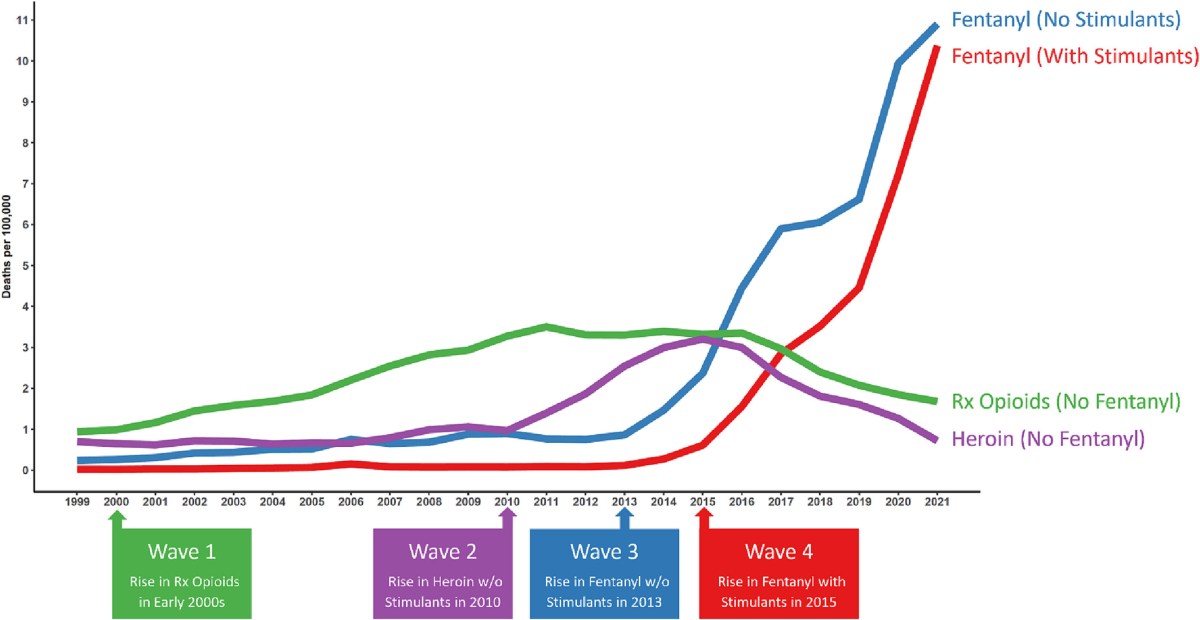
In recent years, the opioid crisis has taken center stage in the public health and policy discussions, with its devastating impact on communities across the globe. This crisis is often described as having four distinct waves, each marked by unique challenges and consequences1. Understanding these waves is not only crucial for addressing the ongoing crisis but also for preventing similar crises in the future. Join us as we ride the waves of the opioid crisis, delving into each phase to gain insight into the complexities of this deeply concerning issue.

Wave 1: The Prescription Painkiller Wave (Late 1990s to early 2000s)

The first wave of the opioid crisis began in the late 1990s. It was characterized by the over-prescription and aggressive marketing of opioid pain medications, often containing substances like oxycodone and hydrocodone. According to the Center of Disease and Control (CDC) prescription opioid sales in the United States quadrupled from 1999 to 20102. At this stage, the medical community believed that opioids were an effective solution for managing pain, especially after surgeries or injuries. Unfortunately, this belief led to an overabundance of prescription opioids, ultimately giving rise to a new wave of opioid addiction. This wave laid the foundation for the subsequent waves of the opioid crisis.

Wave 2: The Heroin Wave (Mid 2000s to mid 2010s)

By the mid-2000s, the consequences of over-prescription became painfully evident. Many individuals who had become addicted to prescription opioids found themselves unable to obtain legal prescriptions or facing the high costs of these medications. This situation led to a shift to a more affordable and accessible alternative – heroin. Heroin-related deaths began to increase as people turned to this illicit drug due to the difficulty of obtaining prescription opioids. Wave two saw a sharp increase in heroin use and a corresponding surge in overdose deaths. This wave was marked by the desperation of individuals caught in the grip of addiction.

Wave 3: The Synthetic Opioid Wave (Mid 2010s to present)

As law enforcement and healthcare providers began to respond to the second wave, another crisis was looming on the horizon. The third wave of the opioid crisis introduced synthetic opioids like fentanyl. Fentanyl is extremely potent and often manufactured in clandestine labs, leading to an alarming spike in overdose deaths. Fentanyl is often mixed with other drugs, making it extremely dangerous.  Its presence in the illicit drug market has made it a deadly addition to the opioid crisis, causing significant challenges for harm reduction efforts and public health officials. This wave marked an intensification of the opioid crisis in terms of fatalities.

Wave 4: The Polydrug Wave (Late 2010s to present)

As overdose deaths rose in the United States from over 30,000 in 2010 to over 105,000 in 2021, the percent involving both fentanyl and stimulants concurrently rose thirty fold marking the next wave. The fourth and most recent wave of the opioid crisis is marked by an increasingly complex trend of polydrug use (using more than one drug at a time). In this wave, individuals are not only using opioids but often combining them with other substances, such as stimulants like cocaine or methamphetamine. The use of multiple drugs creates a dangerous concoction that poses even greater risks to users and complicates treatment and prevention efforts. This phase also showcases the evolving nature of addiction and the need for adaptable, multifaceted approaches. Polydrug use has led to an even higher risk of overdose, as the interactions between different substances can be unpredictable and deadly.

Navigating the Opioid Crisis

As we reflect on the four waves of the opioid crisis, it’s essential to remember that behind each statistic and wave, there are real people and real families impacted. Understanding the four waves of the opioid crisis is crucial for healthcare professionals, policymakers, and society as a whole. It sheds light on how the opioid epidemic evolved and highlights the need for comprehensive, evidence-based strategies to combat it. While significant strides have been made in recent years to address the crisis, there is still much work to be done. Prevention, harm reduction, access to treatment, and addressing the root causes of addiction are all key components of a multi-pronged approach.

It’s important to note that the opioid crisis is a dynamic and ongoing issue, and the data for each wave continues to evolve. Riding the waves of the opioid crisis is a daunting task, but it’s one that we must undertake collectively. By recognizing the nuances of each phase and learning from the past, we can work towards a future where the devastating impact of opioid addiction is minimized, and individuals can find hope, support, and recovery.

Will you be a part of the solution? How will you contribute to ending the opioid crisis and supporting those affected?

  1. Four waves of overdose mortality. A simplified schema of the four waves of the United States overdose mortality crisis. Waves 1 and 2 are represented by deaths involving commonly prescribed opioids and heroin, respectively. Synthetic drugs, like fentanyl, represent the key driving factor in wave 3 and 4. Data were obtained from Centers for Disease Control and Prevention’s Wide-Ranging Online Database for Epidemiologic Research.   ↩︎
  2. https://www.cdc.gov/mmwr/preview/mmwrhtml/mm6043a4.htm#:~:text=Sales%20of%20OPR%20in%202010,person%20in%20the%20United%20States. ↩︎

Good Bye Crack!

During one of the STOPP substance abuse groups,  we held a contest and asked group members to submit a break-up letter to their drug of choice or to their addiction as a whole. We received four entries. This is one of the letters….Show your love by leaving a like or a comment!!

“Dear Crack Cocaine, 

It started out as fun. When you came into my life I had no worries, no pain, and I didn’t care about family or friends. You made me feel happy all the time. Nothing lasts forever and something changed. I lost my apartments and spent all my money on you. I hit bottom and I hated myself. So one day I said “That’s enough.” I picked myself up and threw you out of my life. Now today I can say I love myself and you cannot have me anymore! 

Sincerely, 

Your ex.”

Do I have a problem? When is it too much?

Nothing is a problem until it becomes a problem, right?  But what are we talking about? Sleep? Alcohol? Gambling? Drugs? Alcohol?
If drugs and alcohol have got you in trouble here are some reasons why you should  consider substance abuse counseling…
  • Learn about addiction and recovery
  • Learn ways to cope with triggers and cravings.
  • Talk to someone during difficult times without any judgement.
  • Treat undiagnosed mental health conditions which may be feeding your  addiction such as depression or anxiety
  • Heal and strengthen relationships with family and friends
Whether you want to quit or just cut down using, talking to someone experienced who understands what you’re going through makes a huge difference.   What are you waiting for?  Take the first step now.   Call 305-576-1599 ext.3127 or 3117 and ask how we can assist….