Winning in Recovery: Choosing Peace Over the Argument

When we think about the word winning, most of us picture trophies, medals, or being “right” in an argument. But in recovery from substance use, winning takes on a whole different meaning. It’s not about crushing the other person, proving a point, or forcing your way. It’s about learning to choose peace, sobriety, and your long-term well-being over temporary satisfaction.

There’s an old saying about marriage:

“You can win the argument or stay married.”

It reminds us that sometimes we get so focused on proving we’re right, that we lose sight of what really matters. The same is true in addiction recovery. You can “win” the fight, but at what cost? Your peace, your relationships, even your sobriety?

Another saying I love is this:

“Winning can come at a very high cost. The next time you feel the urge to win, ask yourself—am I chasing relief or true satisfaction?”

That question is powerful for anyone working through recovery. Let’s explore what it means.


The High Cost of “Winning”

In recovery, there will be moments when the urge to win feels strong. Maybe someone challenges your progress, doubts your sobriety, or brings up old mistakes. Your instinct might be to fight back—to defend, argue, or prove yourself.

But here’s the truth:

  • Winning the fight doesn’t always mean winning in life.
  • Arguing can feed stress, which often triggers cravings.
  • The “victory” of being right can cost you trust, peace, and progress.

Think about it—how many times has “winning” left you feeling exhausted, angry, or isolated? That’s not the kind of victory recovery is about.


Real-Life Recovery Examples

To bring this closer to home, let’s look at some common situations in recovery:

1. With Family

María, in early recovery, feels judged because her mom keeps bringing up her past mistakes. María wants to “win” the moment by saying, “Stop bringing it up, I’ve changed!” But if she yells back, she risks hurting the relationship and increasing her stress.

A true win would be pausing, taking a breath, and responding calmly. Instead of fueling the fire, she protects her peace.

2. With Friends

Pedro runs into an old friend who offers him a beer. He wants to prove how strong he is by snapping, “I don’t need that anymore. You’re the weak one.” That might feel good in the moment, but it risks alienating a friend and stirring up resentment.

The bigger win? Saying something simple like, “Thanks, but I’m staying sober—it’s important to me.” That answer keeps him safe and confident without burning bridges.

3. With a Partner

Luis’s partner doesn’t trust him when he comes home late. He wants to “win” by proving he’s clean and demanding, “You should believe me!” But this only escalates conflict.

The real victory is to show consistency, patience, and accountability over time. That’s what rebuilds trust.


Relief vs. Satisfaction

One of the biggest lessons in recovery is learning the difference between relief and satisfaction.

  • Relief is short-term. It’s snapping back in an argument, numbing feelings with substances, or “proving” yourself. It feels good for a moment but often leaves damage behind.
  • Satisfaction is long-term. It’s the peace of choosing not to fight, the pride of staying sober another day, the joy of healthy relationships.

Recovery asks us: Do you want the relief of being right, or the satisfaction of real healing?


A Simple Skill: PRE (Pause, Breathe, Choose)

In groups, I often teach a simple method to handle these moments: PRE—Pause, Breathe, Choose.

  • Pause – When you feel triggered, stop for 10 seconds.
  • Breathe – Inhale for 4 seconds, exhale for 4 seconds, repeat 3 times.
  • Choose – Ask yourself: What’s the price if I “win” this? Am I looking for relief or satisfaction?

Think of it like a traffic light:

  • Red = Stop.
  • Yellow = Think of your options.
  • Green = Act with peace and clarity.

This skill may seem small, but it can change everything. Instead of reacting impulsively, you’re making conscious choices that protect your recovery.


Your True Victories in Recovery

Let’s redefine what winning really means when it comes to recovery from substance use:

  • Staying sober one more day.
  • Walking away from a fight instead of fueling it.
  • Choosing peace over proving a point.
  • Building back trust with family and friends.
  • Sleeping well because you stayed clean.
  • Feeling proud of yourself at the end of the day.

These may not look like “wins” to the outside world, but inside recovery, they are everything.


Try This: Your “Victory Phrase”

Sometimes it helps to have a phrase you repeat when you’re tempted to fight or prove yourself. Here are a few you can use—or make your own:

  • “My victory is staying sober today.”
  • “Peace matters more than being right.”
  • “I win when I choose recovery.”
  • “True strength is calm.”

Having these words ready gives you an anchor when emotions run high.


Reflection Questions

Here are some questions to ask yourself this week:

  1. When was the last time I felt the urge to “win” an argument?
  2. What did I lose in that moment—peace, trust, sobriety?
  3. How might I handle it differently next time?
  4. What does true winning mean to me in my recovery journey?

Writing your thoughts down can help you see patterns and stay intentional.


Final Thoughts

Recovery is not about proving yourself to others—it’s about building a life that feels worth living. Every day you choose not to pick up, every time you pause instead of snapping, every time you protect your peace—that is winning.

Remember:

You can win the fight, or you can win your recovery. The choice is yours.

The next time you feel the urge to prove yourself, stop and ask: Am I looking for quick relief, or real satisfaction? Choose satisfaction. Choose peace. Choose recovery.

That is the victory that lasts.

The Disheartening Cuts to LGBTQ+ Mental Health & Substance Use Support

As a Licensed Mental Health Counselor (LMHC) based in Miami, FL, and an active advocate for the LGBTQ+ community, I write with deep concern about recent cuts to statewide and federal services that are disproportionately affecting LGBTQ+ Floridians—especially those in Miami-Dade County. These reductions are not abstract policy shifts; they have visible consequences on mental health and substance use outcomes among those I serve every day.

Ending of LGBTQ‑Specific 988 Hotline Services

The 988 line was a landmark development in mental health support. Anyone in crisis could dial or text 988 to reach trained counselors. Within that system, one could “Press 3” (or text “PRIDE”) to connect directly with LGBTQ+‑specialized listeners—people with lived experience and specialized training The Trevor Project.

Since its pilot in late 2022, this service answered more than 1.3 million contacts from LGBTQ+ youth, with approximately 70,000 calls per month in recent months NAMI+3The Trevor Project+3KFF Health News+3. Nearly half of those contacts were routed through The Trevor Project, which handled around 231,000 crisis interactions in 2024 alone .

However, on July 17, 2025, the LGBTQ+‑specific option (“Press 3” or texting “PRIDE”) on the national 988 Suicide & Crisis Hotline was discontinued. That specialized lifeline connected LGBTQ+ youth with peer-trained counselors—a critical resource that handled over 1.2 million youth contacts since its launch in 2022 Catalyst Miami+2Orlando Weekly+2Florida Policy Institute+2Spectrum News 13.

In Florida—including Miami—this service was a cornerstone of immediate, affirming crisis support. Local organizations such as Zebra Coalition reported that federal cuts jeopardized their ability to train and fund crisis staff, even as demand grew . Youth and families I work with describe that loss as “devastating,” especially in areas where local affirming alternatives are already underfunded.

Why This Matters: Elevated Risks Among LGBTQ+ Youth

Research consistently shows that LGBTQ+ youth face mental health challenges at significantly higher rates than their peers. According to surveys by The Trevor Project, ~40% of LGBTQ+ youth seriously considered suicide in 2023; nearly 10% attempted it . They are also more likely to experience depression, anxiety, and misuse substances—often due to stigma, rejection, or trauma.

Specialized peer‑centered support can make a life‑saving difference. A counselor who understands LGBTQ+ experiences—identity rejection, coming out, or navigating societal pressures—can provide validation that general crisis counselors may lack. This cultural competency builds trust and encourages help‑seeking behaviors.

LGBTQ+ youth are also more likely to self-medicate through drugs or alcohol when struggling with mental health. Without access to affirming, trained listeners, crises can escalate: turning to substances, withdrawing from supports, or contemplating self‑harm.

Substance Use: A Critical Intersection with Mental Health

Clinically, we often see that mental health challenges and substance use are two sides of the same coin. For LGBTQ+ individuals—particularly youth—rates of substance misuse (including alcohol, nicotine, and illicit drugs) are consistently higher due to minority stress: the chronic pressure from societal discrimination and internalized stigma .

Tailored crisis counseling can interrupt this harmful cycle. A therapist who is affirming can address mental health distress directly, reducing the need to self-soothe with substances. Removing these supports undercuts a prevention strategy grounded in lived experience and trust.

Medicaid-Based Gender‑Affirming Care Bans and Barriers

Florida’s Medicaid program has been under attack:

  • Since August 21, 2022, the Florida Agency for Health Care Administration (AHCA) enacted rules banning Medicaid coverage for puberty blockers, hormone therapy, and gender-affirming surgeries for both minors and adults AP News+9Politico+9AP News+9.
  • A federal court in June 2023 ruled that ban unconstitutional—but Florida continues to impose onerous regulations such as mandatory suicide‑risk screenings, written informed consent, and psychiatric comorbidity exclusions, which effectively limit access .
  • These restrictions impact more than 9,000 Medicaid-funded transgender Floridians .

For many LGBTQ+ residents of Miami, especially low-income transgender individuals, this translates to abrupt treatment disruptions, escalating mental health distress, and increased risk for self-medication or relapse.

Withdrawal of Local LGBTQ+ Service Funding

Local nonprofits in Miami-Dade and Central Florida are losing vital resources:

  • Organizations like Zebra Coalition in Orlando and others anticipated $750,000 in state support to expand housing for at-risk youth—funding later vetoed by the governor FOX 35 Orlando.
  • In Orlando, the LGBT+ Center began a fundraiser (“Journey Forward”) to offset federal and state cutbacks that threaten free mental health counseling, HIV testing, and support programs—services also essential to Miami’s community Orlando Weekly+3Spectrum News 13+3.
  • Miami-based Pridelines, which provides mental health counseling, housing case management, healthcare access, and substance use support across Miami-Dade, now faces increased strain as public funding dries up Wikipedia.

These organizations are lifelines for many LGBTQ+ individuals, especially youth and low-income residents who rely on free or sliding-scale services.


Why These Cuts Matter for Mental Health & Substance Use

Elevated Baseline Risks

LGBTQ+ individuals—especially youth—experience:

  • Higher rates of depression, anxiety, suicidal ideation, and attempts. In 2023, nearly 40% of LGBTQ+ youth seriously considered suicide .
  • Increased likelihood of substance misuse as a coping strategy for minority stress, stigma, and identity-related trauma.

Loss of Trusted, Identity-Affirming Supports

Specialized crisis lines and affirming providers make a difference:

  • LGBTQ+ youth feel heard, seen, and validated—factors essential to mental wellness.
  • Removing these services pushes young people toward crisis points where substance use may escalate.

Healthcare Disruptions Exacerbate Distress

Interrupted access to gender-affirming care often triggers psychiatric crises:

  • Trans clients report abrupt hormone therapy cessation due to insurance refusals.
  • Forced delays or complex approval processes increase stress, dysphoria, and feelings of helplessness—sometimes leading to substance misuse to cope.

The Miami Perspective: Real Impacts in Real Communities

Miami-Dade’s LGBTQ+ population is diverse, vibrant—and vulnerable. Many youth without supportive home environments rely on community centers and crisis lines to access safe, affirming care.

Organizations like Pridelines offer comprehensive wraparound services: mental health counseling, meals, housing support, PrEP/PEP/ARV access, and substance use outreach. But with cuts to federal crisis funding, these providers struggle to maintain staff training, clinical capacity, and 24/7 responsiveness.

In therapy, I have encountered teens who felt abandoned when crisis supports disappeared, and families who can no longer afford hormone therapy or supportive medications. The result: increased isolation, elevated hopelessness, and in some cases, substance misuse as self-medication.


My Ethical Commitment: Nonmaleficence, Competence, & Justice

As a licensed clinician, my responsibility is clear:

  • Nonmaleficence: Not allowing systemic cuts to harm vulnerable populations.
  • Competence: Providing culturally informed, identity-respecting care.
  • Social justice: Ensuring equitable access to mental health and substance use treatment.

To LGBTQ+ survivors and community members: you are seen, you are worthy, and you deserve care that honors who you are. While the loss of specialized federal crisis services is painful, we are not powerless. Clinicians, community leaders, advocates, and allies are stepping up to fill the gap—with empathy, commitment, and fierce advocacy.


Final Thoughts

This is not about politics—it’s about people. These cuts put lives at risk. Young people in crisis, those seeking gender-affirming care, and vulnerable LGBTQ+ Floridians deserve more—not less.

But there is also strength in community. Across Miami and beyond, peer organizations, dedicated therapists, and resilient LGBTQ+ individuals continue to create spaces for healing, support, and hope. Even when systems fail, our duty remains: to care, to show up, and to speak out.

If you are reading this and in crisis: you are not invisible. You matter. Please reach out—to trusted clinicians, to local resources, or to peers who understand. Together, we will keep building the affirming world you deserve.

Overdose Prevention: What You Need to Know to Stay Safe

Overdose Awareness Week and International Overdose Awareness Day highlight the urgent need for effective prevention strategies. In Miami, where fentanyl and synthetic opioids are driving a surge in overdose deaths, it’s crucial to act. Using naloxone, fentanyl test strips, and accessing treatment can save lives. Educate yourself, utilize harm reduction tools, and seek help if needed. Together, we can make a difference.

Every year, Overdose Awareness Week, from August 27 to September 2, and International Overdose Awareness Day on August 31, highlight the critical need to address the overdose crisis affecting countless lives. With recent data showing an estimated 110,000 overdose deaths in the past year, primarily due to fentanyl and synthetic opioids, it’s clear that more needs to be done to prevent these tragedies. As a mental health counselor, I want to share key insights on preventing overdoses and how you can take action to protect yourself and others.

Understanding the Overdose Crisis

Overdose deaths have reached alarming levels, with fentanyl and other synthetic opioids being major contributors. Additionally, the emergence of xylazine—a non-opioid tranquilizer—mixed with fentanyl in the illicit drug supply is making the situation even more dangerous. Overdoses can occur due to various factors, such as:

  • Contaminated Substances: Drugs mixed with potent opioids or other unknown substances.
  • Misunderstanding Dosage: Incorrect dosing of prescription medications or illicit drugs.

Despite these risks, overdoses are preventable. The key is to understand and implement effective prevention strategies.

Miami’s Overdose Crisis

Miami, Florida, is not immune to the national overdose crisis. In recent years, the city has seen a significant rise in overdose-related deaths, largely driven by the increase in fentanyl and synthetic opioids. According to the Florida Department of Health’s Bureau of Vital Statistics, Miami-Dade County experienced a substantial increase in overdose deaths over the past year.

  • Overdose Statistics: In 2022, Miami-Dade County reported over 1,200 overdose deaths, a sharp increase from previous years. Fentanyl and other synthetic opioids have been the primary drivers of this surge.
  • Emerging Threats: The presence of xylazine, often mixed with fentanyl, has been reported in Miami’s drug supply, adding to the risk of fatal overdoses.

These local statistics underscore the urgent need for effective overdose prevention and intervention strategies in Miami.

Four Pillars of Overdose Prevention

The Department of Health and Human Services (HHS) has outlined a comprehensive Overdose Prevention Strategy that focuses on four main pillars:

1. Primary Prevention

Primary prevention aims to reduce the risk of overdose before it happens. This includes:

  • Educational Campaigns: Informing people about the dangers of substance use and how to reduce risk.
  • Community Engagement: Working with local organizations to provide support and resources to those at risk.

2. Harm Reduction

Harm reduction strategies are designed to minimize the negative effects of drug use:

  • Access to Overdose Reversal Medications: Naloxone, an opioid overdose reversal medication, can save lives. Carrying naloxone and knowing how to use it is crucial.
  • Testing Kits: Fentanyl and xylazine test strips can help users check for these dangerous substances in their drugs.

3. Evidence-Based Treatment

Effective treatment for substance use disorders can prevent overdoses:

  • Medication-Assisted Treatment (MAT): Using medications like methadone or buprenorphine can help manage opioid use disorder.
  • Reducing Barriers: Making it easier for individuals to access treatment through reduced costs and better availability.

4. Recovery Support

Supporting long-term recovery is essential for preventing future overdoses:

  • Peer Support: Connecting with others who have similar experiences can provide valuable encouragement.
  • Access to Services: Ensuring availability of housing, employment services, and other resources that support recovery.

What You Can Do

  1. Educate Yourself and Others: Understanding the risks of substance use and the signs of overdose can be lifesaving.
  2. Carry Naloxone: If you or someone you know is at risk, having naloxone on hand and knowing how to use it can make a critical difference.
  3. Use Harm Reduction Tools: Utilize fentanyl and xylazine test strips to check substances before use.
  4. Seek Help if Needed: If you or someone you know is struggling with substance use, seek professional help. Recovery is possible with the right support and resources.

Resources and Support

Several resources are available to help communities combat the overdose crisis:

  • SAMHSA’s Overdose Prevention Resources: These include guides and practice guides on opioid overdose education, medication distribution, and community coalition building.
  • CDC Reports: Stay updated with reports on the role of counterfeit pills and other emerging threats in the overdose crisis.

In conclusion, every community has been touched by the overdose crisis, and it’s essential to take action to prevent further loss. By educating yourself, using harm reduction tools, and seeking support, you can play a vital role in combating this epidemic. Let’s use Overdose Awareness Week and International Overdose Awareness Day as a time to remember those we’ve lost and recommit to preventing future tragedies.

Your involvement and awareness can help make a significant impact. Stay informed, stay safe, and support those in need.

References

  • Centers for Disease Control and Prevention (CDC). (2023). Provisional Data on Overdose Deaths.
  • Florida Department of Health’s Bureau of Vital Statistics. (2023). Overdose Death Statistics.
  • Substance Abuse and Mental Health Services Administration (SAMHSA). (2023). Overdose Prevention Strategy.

Empowering Recovery: Navigating Crystal Meth Use and Healing in the LGBT Community

Explore the intersection of crystal methamphetamine use and recovery within the vibrant LGBT community. Uncover the unique challenges faced, from societal stigma to increased HIV risk. Discover the pathways to healing and support, empowering individuals to reclaim their lives and find hope amidst adversity. Join the conversation and foster understanding today.

As we celebrate LGBT Pride Month, it’s crucial to shine a light on the challenges that the LGBT community faces, including those related to mental health and substance use. Today, I want to dive into a topic that is crucial and often lurks in the shadows: crystal methamphetamine use among the LGBT community. So, let’s settle in and chat about this important issue.

The Rise of Crystal Meth Use:

Crystal meth, also known as methamphetamine, Tina, or simply “meth,” is a potent stimulant that can have devastating effects on individuals and communities. Sadly, its use has become increasingly prevalent, particularly within the LGBT community. Why? Well, there are various factors at play.

For starters, many individuals within the LGBT community may face discrimination, rejection, or stigma, which can lead to feelings of isolation, depression, and anxiety. In search of an escape or a temporary reprieve from these struggles, some turn to substances like crystal meth.

Additionally, the party scene, with its pulsating beats, dazzling lights, and a pervasive sense of uninhibited freedom, can create an environment where the allure of energy and euphoria becomes almost irresistible. In this atmosphere of heightened sensory stimulation and social connection, the desire to amplify one’s experience may lead individuals to experiment with drugs like methamphetamine in pursuit of an intensified state of euphoria and an escape from inhibitions or emotional pain. The pressure to conform to the expectations of the scene, coupled with the perceived need to keep up with the pace and energy of those around them, can further fuel the temptation to engage in risky behaviors, including substance use.

The Dangers of Crystal Meth Use:

Now, let’s talk about the elephant in the room: the dangers associated with crystal meth use. This drug doesn’t discriminate; it can affect anyone, regardless of age, gender, or sexual orientation. From physical health risks like heart problems, dental issues (hence the term “meth mouth”), and weight loss to mental health challenges such as paranoia, hallucinations, and mood disturbances, the consequences of methamphetamine use can be severe and long-lasting.

Within the LGBT community, the dangers of crystal methamphetamine use extend beyond the physical and psychological effects of the drug itself. One particularly alarming risk is the heightened susceptibility to HIV transmission associated with methamphetamine use. Studies have shown that individuals who use meth are more likely to engage in high-risk sexual behaviors, such as unprotected sex or sharing needles, which can increase their chances of contracting HIV and other sexually transmitted infections. This is especially concerning given the disproportionate impact of HIV/AIDS within the LGBT community.

Moreover, the addictive nature of crystal meth can quickly spiral out of control, leading to dependence and addiction. What may have started as a recreational activity or a coping mechanism can rapidly evolve into a full-blown crisis, impacting every aspect of a person’s life, from relationships and work to their own sense of self-worth.

Facing the Statistics:

Let’s take a moment to look at the statistics. According to the Substance Abuse and Mental Health Services Administration (SAMHSA), individuals who identify as LGBT are more likely to use substances like methamphetamine compared to their heterosexual peers. This heightened risk underscores the importance of addressing substance use within our community and providing support and resources for those who are struggling.

The Path to Recovery:

Now, here’s the good news: recovery is possible. While the road to recovery may be challenging, it’s not insurmountable. Seeking help is the first step on this journey. Whether it’s reaching out to a trusted friend, connecting with a counselor or therapist, or accessing support groups like Crystal Meth Anonymous (CMA), there are resources available to support individuals in their recovery efforts.

Recovery isn’t just about abstaining from substance use; it’s also about rebuilding one’s life, finding healthier coping mechanisms, and rediscovering a sense of purpose and joy. It’s about surrounding oneself with a supportive community that understands and accepts you for who you are, unconditionally.

Recovery from crystal methamphetamine use within the LGBT community requires a nuanced and tailored approach that acknowledges the unique challenges and experiences faced by individuals in this community. It’s essential to create spaces that are inclusive, affirming, and free from judgment, where individuals can explore their identities, address underlying trauma, and rebuild their lives free from substance use. For many LGBT individuals, finding supportive networks of peers who understand their struggles and can offer empathy and guidance is crucial. Additionally, access to culturally competent healthcare providers and specialized treatment programs that address the intersection of substance use and LGBT identity can greatly enhance the recovery journey. By fostering a sense of belonging, resilience, and empowerment, we can help LGBT individuals navigate the path to recovery with dignity, compassion, and hope for a brighter future.

Join the Conversation:

As we reflect on LGBT Pride Month and the challenges facing this community, I invite you to join the conversation. Have you or someone you know been affected by crystal meth use? What strategies have helped you or your loved one on the path to recovery? Share your thoughts, experiences, and words of encouragement in the comments below. Together, let’s continue to support one another and create a safer, healthier, and more inclusive world for all.

Overcoming Addiction: Embrace the Journey to Recovery!

As therapists, we understand the immense challenges and triumphs that come with the journey of substance use recovery. Today, we want to extend our support, encouragement, and guidance to all those who are bravely walking this path. Remember, you are not alone!

Recovery is a unique journey for each individual, but it’s a journey that’s worth it. Here are some important insights and reminders to help you along the way:

1️⃣ Celebrate Every Step: Recovery is a series of small victories. Embrace each milestone, no matter how small, and acknowledge the progress you’re making. You’re taking control of your life, and that is an incredible achievement!

2️⃣ Seek Support: Remember, seeking help is a sign of strength, not weakness. Surround yourself with a supportive network, including therapists, support groups, and friends who understand your journey. They can offer guidance, empathy, and motivation when you need it most.

3️⃣ Engage in Self-Care: Prioritize your well-being during recovery. Engage in activities that bring you joy, reduce stress, and promote self-discovery. Nurturing your physical, emotional, and mental health is crucial for long-term recovery. Self-Care is vital!

4️⃣ Be Kind to Yourself: Recovery can be challenging, and setbacks may occur. Remember to be patient and compassionate with yourself. Celebrate progress and learn from any setbacks or relapses, using them as opportunities for growth and resilience.

5️⃣ Practice Healthy Coping Skills: Discover alternative ways to manage stress and emotions, such as exercise, meditation, creative outlets, or hobbies. Find activities that help you find peace, purpose, and fulfillment without resorting to substance use.

6️⃣ Establish Boundaries: Surround yourself with a positive environment that supports your recovery. Set clear boundaries with individuals who may hinder your progress or trigger old habits. Your well-being is paramount, and you deserve a safe and supportive space.

7️⃣ Never Lose Hope: Recovery is a journey with ups and downs. Remember that setbacks are not failures; they are stepping stones to a stronger, more resilient you. Stay hopeful, keep pushing forward, and believe in your ability to overcome.

💙 If you or someone you know is struggling with substance use, reach out for a confidential conversation, and together, we can create a personalized plan to help you navigate the path to recovery.💙

Remember, every step forward is a step toward a brighter future. You are capable, resilient, and deserving of a life filled with joy, purpose, and well-being. I am proud of you for embarking on this courageous journey!

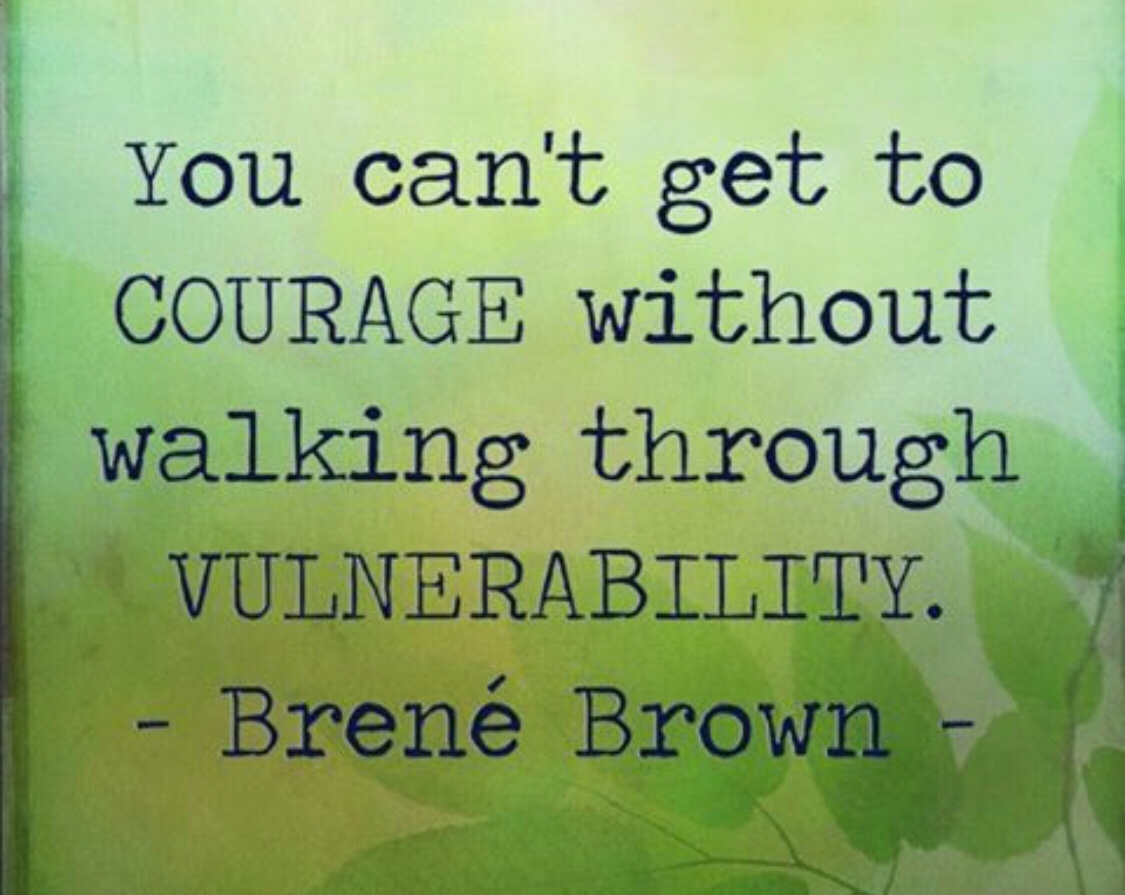
Daily Prompt: Courage

What are you most afraid of?  Is it your past? Fear of being abandoned?  Shame of what you have done?   Your family, friends, a loved one or even a sponsor can help you overcome what you fear.  If it’s keeping you your from being sober you have to face it.

What you fear the most, you have to face; find the COURAGE and face it. You already took the most courageous step, starting the recovery journey!

via Daily Prompt: Courage

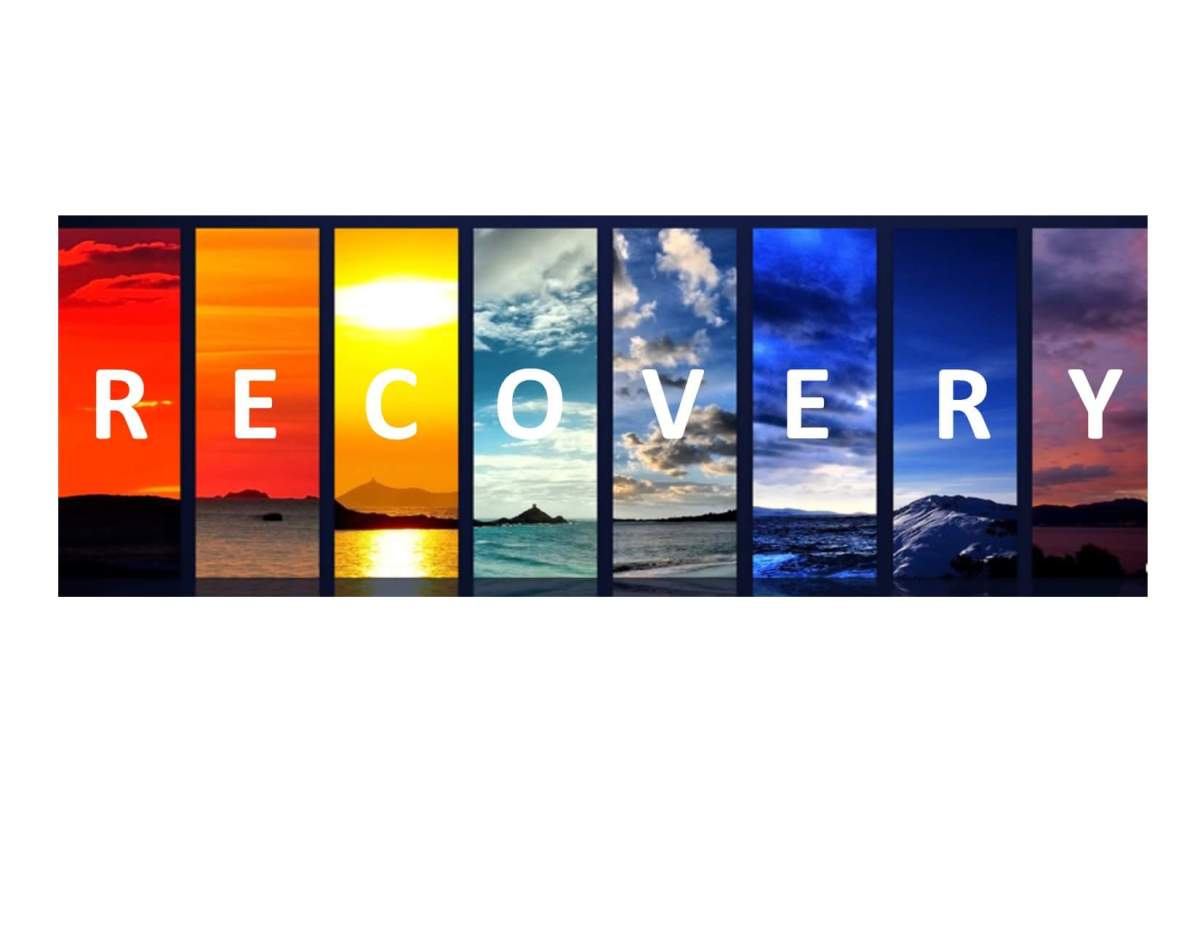
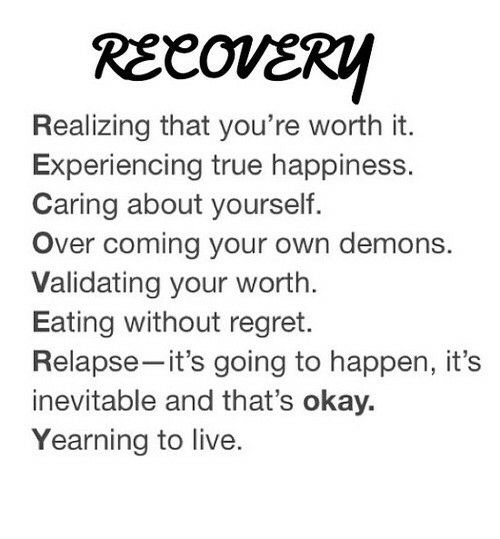
Recovery: Addiction’s Alternative

Recovery, an

Eye opening experience in which you

Compassionately

Overcome temptation while

Vigilantly

Engaging in new

Responsibility, one day at a time

You can do it. What are you waiting for?

Addiction can confiscate your mind and body. But there’s an alternative, Recovery.

Mnemonic for Recovery.

Do I have a problem? When is it too much?

Nothing is a problem until it becomes a problem, right?  But what are we talking about? Sleep? Alcohol? Gambling? Drugs? Alcohol?
If drugs and alcohol have got you in trouble here are some reasons why you should  consider substance abuse counseling…
  • Learn about addiction and recovery
  • Learn ways to cope with triggers and cravings.
  • Talk to someone during difficult times without any judgement.
  • Treat undiagnosed mental health conditions which may be feeding your  addiction such as depression or anxiety
  • Heal and strengthen relationships with family and friends
Whether you want to quit or just cut down using, talking to someone experienced who understands what you’re going through makes a huge difference.   What are you waiting for?  Take the first step now.   Call 305-576-1599 ext.3127 or 3117 and ask how we can assist….