Winning in Recovery: Choosing Peace Over the Argument

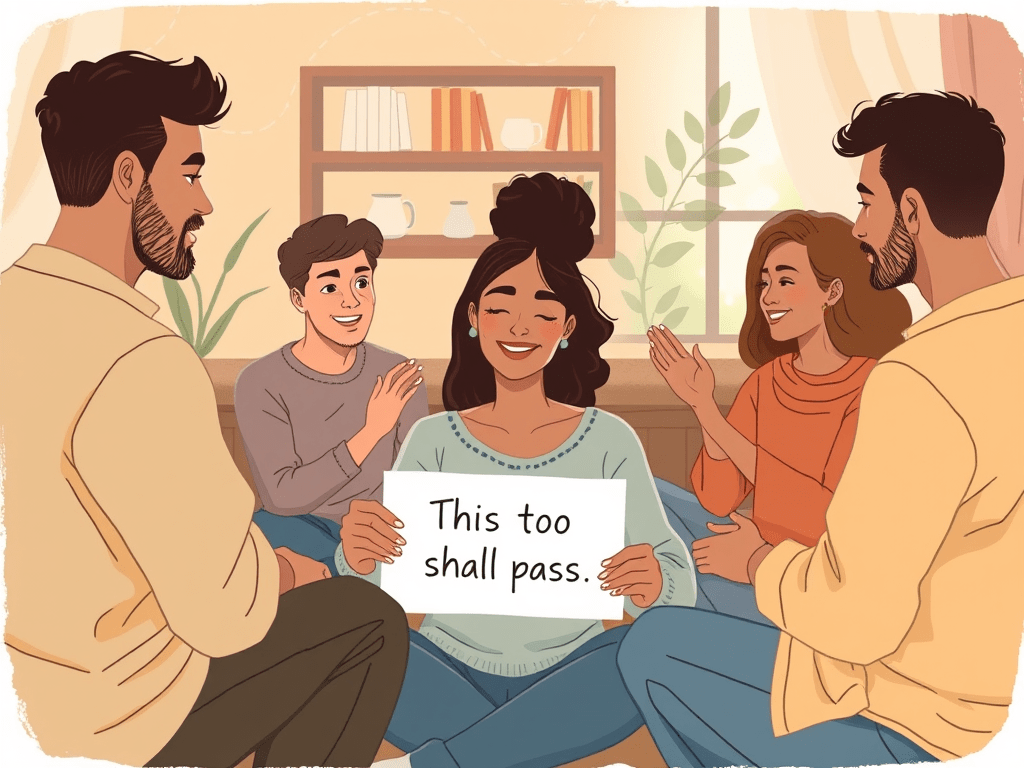
When we think about the word winning, most of us picture trophies, medals, or being “right” in an argument. But in recovery from substance use, winning takes on a whole different meaning. It’s not about crushing the other person, proving a point, or forcing your way. It’s about learning to choose peace, sobriety, and your long-term well-being over temporary satisfaction.

There’s an old saying about marriage:

“You can win the argument or stay married.”

It reminds us that sometimes we get so focused on proving we’re right, that we lose sight of what really matters. The same is true in addiction recovery. You can “win” the fight, but at what cost? Your peace, your relationships, even your sobriety?

Another saying I love is this:

“Winning can come at a very high cost. The next time you feel the urge to win, ask yourself—am I chasing relief or true satisfaction?”

That question is powerful for anyone working through recovery. Let’s explore what it means.


The High Cost of “Winning”

In recovery, there will be moments when the urge to win feels strong. Maybe someone challenges your progress, doubts your sobriety, or brings up old mistakes. Your instinct might be to fight back—to defend, argue, or prove yourself.

But here’s the truth:

  • Winning the fight doesn’t always mean winning in life.
  • Arguing can feed stress, which often triggers cravings.
  • The “victory” of being right can cost you trust, peace, and progress.

Think about it—how many times has “winning” left you feeling exhausted, angry, or isolated? That’s not the kind of victory recovery is about.


Real-Life Recovery Examples

To bring this closer to home, let’s look at some common situations in recovery:

1. With Family

María, in early recovery, feels judged because her mom keeps bringing up her past mistakes. María wants to “win” the moment by saying, “Stop bringing it up, I’ve changed!” But if she yells back, she risks hurting the relationship and increasing her stress.

A true win would be pausing, taking a breath, and responding calmly. Instead of fueling the fire, she protects her peace.

2. With Friends

Pedro runs into an old friend who offers him a beer. He wants to prove how strong he is by snapping, “I don’t need that anymore. You’re the weak one.” That might feel good in the moment, but it risks alienating a friend and stirring up resentment.

The bigger win? Saying something simple like, “Thanks, but I’m staying sober—it’s important to me.” That answer keeps him safe and confident without burning bridges.

3. With a Partner

Luis’s partner doesn’t trust him when he comes home late. He wants to “win” by proving he’s clean and demanding, “You should believe me!” But this only escalates conflict.

The real victory is to show consistency, patience, and accountability over time. That’s what rebuilds trust.


Relief vs. Satisfaction

One of the biggest lessons in recovery is learning the difference between relief and satisfaction.

  • Relief is short-term. It’s snapping back in an argument, numbing feelings with substances, or “proving” yourself. It feels good for a moment but often leaves damage behind.
  • Satisfaction is long-term. It’s the peace of choosing not to fight, the pride of staying sober another day, the joy of healthy relationships.

Recovery asks us: Do you want the relief of being right, or the satisfaction of real healing?


A Simple Skill: PRE (Pause, Breathe, Choose)

In groups, I often teach a simple method to handle these moments: PRE—Pause, Breathe, Choose.

  • Pause – When you feel triggered, stop for 10 seconds.
  • Breathe – Inhale for 4 seconds, exhale for 4 seconds, repeat 3 times.
  • Choose – Ask yourself: What’s the price if I “win” this? Am I looking for relief or satisfaction?

Think of it like a traffic light:

  • Red = Stop.
  • Yellow = Think of your options.
  • Green = Act with peace and clarity.

This skill may seem small, but it can change everything. Instead of reacting impulsively, you’re making conscious choices that protect your recovery.


Your True Victories in Recovery

Let’s redefine what winning really means when it comes to recovery from substance use:

  • Staying sober one more day.
  • Walking away from a fight instead of fueling it.
  • Choosing peace over proving a point.
  • Building back trust with family and friends.
  • Sleeping well because you stayed clean.
  • Feeling proud of yourself at the end of the day.

These may not look like “wins” to the outside world, but inside recovery, they are everything.


Try This: Your “Victory Phrase”

Sometimes it helps to have a phrase you repeat when you’re tempted to fight or prove yourself. Here are a few you can use—or make your own:

  • “My victory is staying sober today.”
  • “Peace matters more than being right.”
  • “I win when I choose recovery.”
  • “True strength is calm.”

Having these words ready gives you an anchor when emotions run high.


Reflection Questions

Here are some questions to ask yourself this week:

  1. When was the last time I felt the urge to “win” an argument?
  2. What did I lose in that moment—peace, trust, sobriety?
  3. How might I handle it differently next time?
  4. What does true winning mean to me in my recovery journey?

Writing your thoughts down can help you see patterns and stay intentional.


Final Thoughts

Recovery is not about proving yourself to others—it’s about building a life that feels worth living. Every day you choose not to pick up, every time you pause instead of snapping, every time you protect your peace—that is winning.

Remember:

You can win the fight, or you can win your recovery. The choice is yours.

The next time you feel the urge to prove yourself, stop and ask: Am I looking for quick relief, or real satisfaction? Choose satisfaction. Choose peace. Choose recovery.

That is the victory that lasts.

Back-to-School Stress: A Guide for Parents in Recovery or Struggling with Substance Use

The backpacks are packed. The alarms are set. And just like that—summer is over.

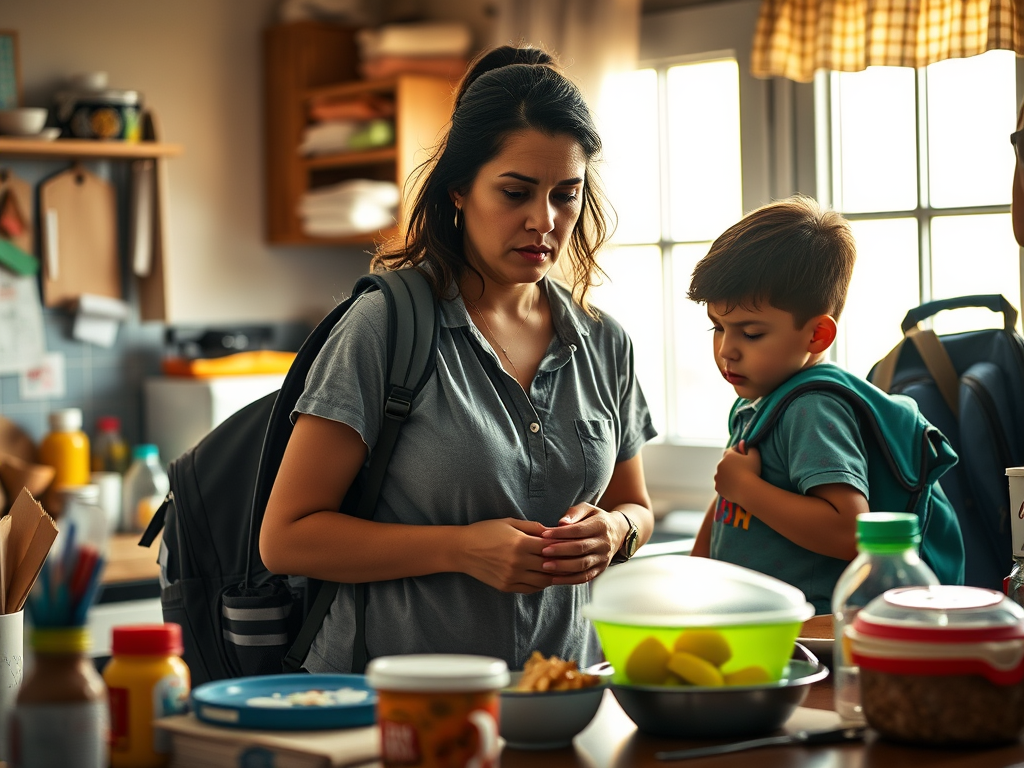
For many parents, back-to-school season brings a whirlwind of emotions. There’s excitement, yes—but there’s also pressure, exhaustion, and anxiety. For parents who are in recovery or struggling with substance use, this time of year can feel like walking a tightrope while carrying the weight of the world.

If this sounds like you, you’re not alone.

Whether you’re trying to stay clean, thinking about getting help, or just trying to keep it together for your kids—this blog is for you.


The Truth About Parenting Stress and Substance Use

Parenting is hard. Parenting with anxiety is even harder. And when substance use enters the picture—whether it’s alcohol, pills, or anything else—it can feel impossible to cope.

According to a 2023 study by the National Institute on Drug Abuse (NIDA):

  • 1 in 8 parents report using substances to manage stress
  • Parents with high levels of anxiety or untreated trauma are significantly more likely to engage in problem drinking or drug use
  • The risk spikes during transitional times—like back-to-school, holidays, or major family changes

Add the financial strain of new clothes, school supplies, daycare, or juggling work schedules—and the urge to “numb out” becomes real.


Meet Angela: A Single Mom Trying to Hold It Together

Angela is a 38-year-old single mom of two boys, ages 6 and 9. She works full time, has no consistent support system, and is in early recovery after struggling with alcohol for years.

When school started last year, her anxiety skyrocketed. She worried about everything—getting the boys to school on time, affording lunches, keeping up with homework, and not losing her job.

One night after a particularly rough day, she poured herself a glass of wine. Then another. Then another.

“I just wanted to relax,” she said in therapy. “But the next morning, I woke up ashamed, hungover, and even more behind.”

Through counseling, Angela began identifying her triggers and building healthier routines. She also found support through a local parenting recovery group. Today, she’s still clean, still stressed—but no longer alone.


Red Flags: Is School Stress Putting Your Sobriety at Risk?

Not every parent who drinks or uses is addicted—but it’s important to recognize the signs that your relationship with substances might be hurting more than helping.

Here are some red flags to watch for:

  • You’re using substances to “get through the day” or “take the edge off” regularly
  • You feel guilty or try to hide your use from your kids
  • Your patience is short, and your anxiety feels out of control
  • You’re falling behind on responsibilities
  • You’ve tried to cut back, but haven’t been able to
  • You feel shame, sadness, or panic after using
  • You worry you’re not the parent your kids need

If any of these feel familiar, it’s not a sign of weakness—it’s a signal that you deserve support.


How to Cope Without Turning to Substances

When the stress is high, here are real tools that can help:

1. Create a Morning & Evening Routine

Routines reduce chaos. Try to wake up 15 minutes earlier to breathe, stretch, or enjoy quiet. In the evenings, plan lunches and clothes ahead to reduce morning stress.

2. Have a Calm-Down Plan

Keep a list of grounding tools handy for high-stress moments:

  • Step outside for 5 minutes
  • Splash cold water on your face
  • Use a calming app like Insight Timer or Headspace
  • Text someone from your support network

3. Set Boundaries

You can’t do it all. Say no to extra commitments. Delegate where you can. Prioritize your mental health the way you would your child’s.

4. Talk to Your Kids

Even young children understand emotions. You can say:

“Mommy is feeling stressed today, and I’m working on handling it in healthy ways. That’s why I’m taking a deep breath or calling someone.”

This models coping, not perfection.

5. Join a Support Group

Look for parent-focused recovery groups or online meetings. Feeling seen and heard by others in the same boat can make all the difference.


Staying Clean During High-Stress Seasons

Recovery isn’t about never feeling triggered. It’s about building a toolbox you can actually use when stress shows up.

Here’s what works:

  • Daily check-ins: Ask yourself, How am I feeling today? What do I need?
  • Accountability: A sponsor, therapist, or friend can help you stay grounded.
  • Celebrate small wins: Got your kid to school and didn’t drink today? That’s a win.
  • Avoid “all or nothing” thinking: If you slip up, it’s not the end. It’s a signal to adjust and reach out.

If You’re Still Using and Feel Overwhelmed, Here’s What You Can Do

You don’t have to hit rock bottom to ask for help. You can be a good parent and need support. Both things can be true.

Here’s how to start:

  • Call a local mental health or substance use counselor
  • Look for outpatient programs that work around your schedule
  • Ask about services for parents—many programs offer childcare, parenting classes, or transportation help
  • Talk to your doctor—even just saying, “I’m feeling overwhelmed, and I’m using more than I want to,” is a step forward

You’re Not Failing—You’re Under Pressure

School supply lists, teacher emails, forgotten lunches, and bedtime battles don’t come with a manual. Add substance use recovery or anxiety on top of that, and of course you’re feeling stretched thin.

But you are not failing.

Getting help, setting limits, showing up imperfectly—that’s real strength. Your children don’t need a perfect parent. They need a present one.


💬 Let’s Talk: How Are You Coping with Back-to-School Stress?

If you’re a parent in recovery or struggling with substance use, I’d love to hear from you.

👉 What’s been hardest about this time of year?
👉 What tools help you stay calm and clean?

Drop a comment below—your story may help another parent feel less alone. And if you’re struggling silently, let this be your reminder: you don’t have to do this alone.

Empowering Recovery: Navigating Crystal Meth Use and Healing in the LGBT Community

Explore the intersection of crystal methamphetamine use and recovery within the vibrant LGBT community. Uncover the unique challenges faced, from societal stigma to increased HIV risk. Discover the pathways to healing and support, empowering individuals to reclaim their lives and find hope amidst adversity. Join the conversation and foster understanding today.

As we celebrate LGBT Pride Month, it’s crucial to shine a light on the challenges that the LGBT community faces, including those related to mental health and substance use. Today, I want to dive into a topic that is crucial and often lurks in the shadows: crystal methamphetamine use among the LGBT community. So, let’s settle in and chat about this important issue.

The Rise of Crystal Meth Use:

Crystal meth, also known as methamphetamine, Tina, or simply “meth,” is a potent stimulant that can have devastating effects on individuals and communities. Sadly, its use has become increasingly prevalent, particularly within the LGBT community. Why? Well, there are various factors at play.

For starters, many individuals within the LGBT community may face discrimination, rejection, or stigma, which can lead to feelings of isolation, depression, and anxiety. In search of an escape or a temporary reprieve from these struggles, some turn to substances like crystal meth.

Additionally, the party scene, with its pulsating beats, dazzling lights, and a pervasive sense of uninhibited freedom, can create an environment where the allure of energy and euphoria becomes almost irresistible. In this atmosphere of heightened sensory stimulation and social connection, the desire to amplify one’s experience may lead individuals to experiment with drugs like methamphetamine in pursuit of an intensified state of euphoria and an escape from inhibitions or emotional pain. The pressure to conform to the expectations of the scene, coupled with the perceived need to keep up with the pace and energy of those around them, can further fuel the temptation to engage in risky behaviors, including substance use.

The Dangers of Crystal Meth Use:

Now, let’s talk about the elephant in the room: the dangers associated with crystal meth use. This drug doesn’t discriminate; it can affect anyone, regardless of age, gender, or sexual orientation. From physical health risks like heart problems, dental issues (hence the term “meth mouth”), and weight loss to mental health challenges such as paranoia, hallucinations, and mood disturbances, the consequences of methamphetamine use can be severe and long-lasting.

Within the LGBT community, the dangers of crystal methamphetamine use extend beyond the physical and psychological effects of the drug itself. One particularly alarming risk is the heightened susceptibility to HIV transmission associated with methamphetamine use. Studies have shown that individuals who use meth are more likely to engage in high-risk sexual behaviors, such as unprotected sex or sharing needles, which can increase their chances of contracting HIV and other sexually transmitted infections. This is especially concerning given the disproportionate impact of HIV/AIDS within the LGBT community.

Moreover, the addictive nature of crystal meth can quickly spiral out of control, leading to dependence and addiction. What may have started as a recreational activity or a coping mechanism can rapidly evolve into a full-blown crisis, impacting every aspect of a person’s life, from relationships and work to their own sense of self-worth.

Facing the Statistics:

Let’s take a moment to look at the statistics. According to the Substance Abuse and Mental Health Services Administration (SAMHSA), individuals who identify as LGBT are more likely to use substances like methamphetamine compared to their heterosexual peers. This heightened risk underscores the importance of addressing substance use within our community and providing support and resources for those who are struggling.

The Path to Recovery:

Now, here’s the good news: recovery is possible. While the road to recovery may be challenging, it’s not insurmountable. Seeking help is the first step on this journey. Whether it’s reaching out to a trusted friend, connecting with a counselor or therapist, or accessing support groups like Crystal Meth Anonymous (CMA), there are resources available to support individuals in their recovery efforts.

Recovery isn’t just about abstaining from substance use; it’s also about rebuilding one’s life, finding healthier coping mechanisms, and rediscovering a sense of purpose and joy. It’s about surrounding oneself with a supportive community that understands and accepts you for who you are, unconditionally.

Recovery from crystal methamphetamine use within the LGBT community requires a nuanced and tailored approach that acknowledges the unique challenges and experiences faced by individuals in this community. It’s essential to create spaces that are inclusive, affirming, and free from judgment, where individuals can explore their identities, address underlying trauma, and rebuild their lives free from substance use. For many LGBT individuals, finding supportive networks of peers who understand their struggles and can offer empathy and guidance is crucial. Additionally, access to culturally competent healthcare providers and specialized treatment programs that address the intersection of substance use and LGBT identity can greatly enhance the recovery journey. By fostering a sense of belonging, resilience, and empowerment, we can help LGBT individuals navigate the path to recovery with dignity, compassion, and hope for a brighter future.

Join the Conversation:

As we reflect on LGBT Pride Month and the challenges facing this community, I invite you to join the conversation. Have you or someone you know been affected by crystal meth use? What strategies have helped you or your loved one on the path to recovery? Share your thoughts, experiences, and words of encouragement in the comments below. Together, let’s continue to support one another and create a safer, healthier, and more inclusive world for all.

Embracing Change: Mental Health Month and National Prevention Week

May approaches with Mental Health Month and National Prevention Week, offering insights and coping skills to combat substance use and mental health struggles. Together, let’s embrace change, find solace, and rewrite our narratives. With every step, we reclaim control and pave the path to healing.

As May approaches, we embark on a journey of self-discovery and healing. May is Mental Health Month, and it holds within it National Prevention Week, a beacon of hope for those of us struggling with substance use and mental health challenges. Sponsored by the Substance Abuse and Mental Health Services Administration (SAMHSA), this week, from May 8th to May 14th, offers us a chance to find solace, support, and pathways to a brighter tomorrow.

Each day of National Prevention Week is dedicated to a theme, offering insights and coping skills to navigate the challenges we face:

May 11: Coping with Prescription Drug and Opioid Misuse

Facing the temptation to misuse prescription drugs or opioids can feel overwhelming. One coping skill to try is grounding techniques. Find a comfortable spot, take deep breaths, and focus on your senses. Notice the feeling of the ground beneath you, the sounds around you, and the rhythm of your breath. Grounding brings you back to the present moment, helping you resist urges and regain control.

May 12: Coping with Underage Drinking and Alcohol Misuse

Resisting the allure of alcohol when you’re underage or struggling with alcohol misuse can be challenging. One coping skill to practice is creating a safety plan. Identify triggers that lead to drinking, and develop strategies to cope with them. Reach out to supportive friends or family members, distract yourself with hobbies or activities you enjoy, or have a list of helplines ready to call if you feel overwhelmed.

May 13: Coping with Illicit Drug Use and Youth Marijuana Use

Dealing with the pressure to use illicit drugs or marijuana as a youth can feel isolating. One coping skill to explore is mindfulness meditation. Find a quiet space, close your eyes, and focus on your breath. Notice any thoughts or feelings that arise without judgment, and gently guide your attention back to your breath. Mindfulness meditation helps you cultivate inner strength and resilience to resist peer pressure and make healthier choices.

May 14: Coping with Youth Tobacco Use (E-cigarettes and Vaping)

Struggling with addiction to tobacco, e-cigarettes, or vaping products can feel like an uphill battle. One coping skill to try is progressive muscle relaxation. Sit or lie down in a comfortable position, and slowly tense and then relax each muscle group in your body, starting from your toes and working your way up to your head. Progressive muscle relaxation helps release tension and reduce cravings, allowing you to take control of your addiction.

May 15: Coping with Suicidal Thoughts

Navigating suicidal thoughts can be frightening and overwhelming. One coping skill to utilize is creating a safety plan. Identify warning signs that indicate you’re feeling suicidal, and list coping strategies to manage these feelings. Reach out to trusted friends, family members, or mental health professionals for support. Remember, you are not alone, and there is help available.

As we embark on this journey together, remember that healing is not linear, and it’s okay to ask for help when you need it. Reach out to supportive individuals in your life or seek professional guidance from counselors or support groups. Together, we can embrace change, find hope, and build a brighter future.

Let’s Talk Therapy: A Therapist’s Guide to Navigating Substance Use and Mental Health

Discover when to seek therapy for substance use and mental health concerns. But wait, therapy isn’t just serious talk—it’s also about creative expression, mindfulness, and goal setting! Dive into our blog to explore fun and effective evidence-based techniques that’ll make therapy a joyous adventure.

Today, we’re diving into the world of therapy, substance use, and mental health. As a mental health therapist, I’ve had the privilege of guiding individuals through some of life’s toughest challenges, and one recurring theme I encounter is the intersection of substance use and mental health.

Let’s bust some myths and explore when it’s time to seek therapy for both substance use and mental health concerns. But first, grab your favorite beverage and let’s embark on this enlightening journey together!

Understanding Substance Use and Mental Health: The Connection

Did you know that substance use and mental health often go hand in hand? Yep, it’s true! Many individuals turn to substances as a way to cope with underlying mental health issues like anxiety, depression, or trauma. However, what starts as a temporary escape can quickly spiral into a full-blown struggle.

When to Seek Therapy: Signs and Signals

So, when is it time to hit up your friendly neighborhood therapist? Here are a few signs that therapy might be beneficial:

  1. You’re Using Substances as a Crutch: If you find yourself relying on substances to get through the day or cope with emotions, it’s time to explore healthier coping strategies.
  2. Your Mental Health is Suffering: Are you experiencing persistent feelings of sadness, anxiety, or hopelessness? Therapy can help you untangle the roots of these emotions and develop strategies to manage them.
  3. Your Relationships are Strained: Substance use and mental health issues can wreak havoc on your relationships. If your friendships, family ties, or romantic partnerships are suffering, therapy can provide a safe space to work through these challenges.
  4. You’re Ready for Change: The first step toward healing is often the hardest, but if you’re ready to make positive changes in your life, therapy can provide the support and guidance you need.

Making Therapy Fun and Effective

Okay, I know what you’re thinking: therapy sounds daunting and serious. But fear not, my friends! Therapy can actually be a fun and rewarding experience. From creative exercises to insightful discussions, therapy offers a myriad of tools to help you navigate life’s ups and downs.

As therapists, we understand that the journey toward mental wellness doesn’t have to be all serious conversations and solemn reflections. In fact, integrating evidence-based techniques (EBTs) into therapy sessions can add an exciting dimension to the process, making it both engaging and fulfilling. EBTs include:

1. Creative Expression: Ever tried your hand at art therapy or journaling? These creative outlets can be incredibly therapeutic. Whether you’re painting your emotions on canvas or jotting down your thoughts in a journal, creative expression can help you process your feelings and gain valuable insights.

2. Mindfulness and Meditation: Mindfulness practices are all the rage these days, and for good reason! Incorporating mindfulness and meditation into your therapy sessions can help you cultivate present-moment awareness and develop coping skills to manage stress and cravings.

3. Role-Playing: Who says therapy has to be all talk and no action? Role-playing exercises can help you practice new behaviors and communication skills in a safe, supportive environment. Plus, it’s a fun way to step into someone else’s shoes and gain a fresh perspective on your challenges.

4. Breathwork: Ah, the power of the breath! Breathwork techniques like diaphragmatic breathing or box breathing can help you regulate your emotions and calm your nervous system. Plus, they’re easy to learn and can be practiced anywhere, anytime – talk about a handy tool to have in your mental wellness toolkit!

5. Cognitive-Behavioral Strategies: Ah, good old CBT! Cognitive-Behavioral Therapy (CBT) is a tried-and-true approach to therapy that focuses on identifying and challenging unhelpful thoughts and behaviors. By learning to reframe negative thinking patterns and adopt healthier behaviors, you can create positive change in your life.

6. Goal Setting and Tracking: Who doesn’t love a good goal-setting session? Setting achievable goals and tracking your progress can help you stay motivated and focused on your journey toward mental wellness. Plus, it’s a great way to celebrate your victories – big or small!

The Call to Action: Let’s Start Talking

Alright, folks, here’s the deal: seeking therapy is nothing to be ashamed of. In fact, it’s a courageous step toward prioritizing your mental health and well-being. So, if you or someone you know is struggling with substance use or mental health issues, don’t hesitate to reach out for help. Together, we can break the stigma surrounding therapy and create a world where mental wellness is celebrated and prioritized.

Now it’s your turn! Share your thoughts in the comments below. Have you ever sought therapy for substance use or mental health concerns? What was your experience like? Let’s keep the conversation going and support one another on our journey to mental wellness!

Remember, you’re not alone. Let’s take the first step toward healing together. 🌟 #TherapyTalks #MentalWellness #BreakTheStigma

Navigating Triggers and Temptations: A Guide to Staying Sober During the Holidays

Embark on a proactive journey this festive season, navigating triggers and embracing sobriety. Discover coping strategies, communicate openly with your support system, and explore substance-free events. Share your insights on staying sober during celebrations in the comments below. Let’s build a community of support and inspiration together!

The holiday season often brings joy, celebration, and the warmth of shared moments with loved ones. However, for individuals on the journey of recovery from substance use, festive occasions can also pose unique challenges. Navigating triggers and resisting temptations becomes crucial during these times. In this blog post, we’ll explore strategies for identifying and managing triggers for substance use, as well as developing a plan to stay sober in social situations.

Identifying Triggers:

1. Recognizing High-Risk Situations:

  • Reflect on past experiences to identify situations that have triggered substance use.
  • Be aware of events or environments where the temptation to use substances may be higher.

2. Emotional Awareness:

  • Pay attention to emotional states that may precede the urge to use substances.
  • Identify specific feelings such as stress, loneliness, or anxiety that may act as triggers.

3. Social Influences:

  • Assess the impact of social interactions on your emotions and behavior.
  • Recognize friends or acquaintances who may inadvertently contribute to triggering situations.

4. Environmental Triggers:

  • Consider environmental factors like specific locations or activities that may be associated with substance use.
  • Plan ahead to avoid or navigate these environments safely.

Managing Triggers:

1. Develop Coping Strategies:

  • Create a toolbox of healthy coping mechanisms, such as deep breathing exercises, mindfulness, or journaling.
  • Practice these strategies regularly, so they become familiar and accessible in challenging moments.

2. Communication is Key:

  • Openly communicate with close friends and family about your commitment to sobriety.
  • Share specific triggers and request their support in creating a substance-free environment.

3. Plan Escape Routes:

  • Have a plan in place for gracefully exiting situations where triggers are present.
  • Prepare responses for declining offers of substances without feeling pressured.

4. Establish Boundaries:

  • Set clear boundaries with friends and loved ones regarding your decision to stay sober.
  • Be assertive in communicating your needs and ensuring they are respected.

Developing a Plan for Staying Sober in Social Situations:

1. Have a Support System:

  • Identify a trusted friend or family member who understands your commitment to sobriety.
  • Lean on your support system during events where triggers may be present.

2. Plan Non-Alcoholic Alternatives:

  • Be proactive in choosing non-alcoholic beverage options.
  • Carry your preferred non-alcoholic drink to social events to avoid feeling left out.

3. Attend Substance-Free Events:

  • Seek out and participate in events that prioritize a substance-free atmosphere.
  • Surrounding yourself with like-minded individuals can significantly reduce the risk of triggers.

4. Focus on the Positive:

  • Shift your mindset towards the positive aspects of the event, such as connecting with others, enjoying good food, and creating lasting memories.
  • Engage in activities that bring joy without relying on substances.

In conclusion, the path to navigating triggers and temptations during festive occasions is a proactive and empowering journey. By pinpointing potential triggers, honing coping strategies, and fostering a supportive environment, you can confidently savor the holiday season while remaining steadfast in your commitment to sobriety. Your journey is as unique as you are, and we’d love to hear from you. What are some strategies you’ve found effective in staying sober during celebratory times? Share your insights in the comments below, and let’s build a community of support and inspiration together!

Thanksgiving and Sobriety: A Guide to Navigating Family Gatherings

In the midst of holiday festivities, staying sober can be a tough challenge. Our Thanksgiving guide offers practical tips, from planning ahead to building support networks. Join our community in sharing your personal strategies for navigating these occasions while prioritizing your well-being. Together, we can make the holiday season a time of strength and gratitude.


Thanksgiving is a time for expressing gratitude and spending quality moments with family and friends. But for those in recovery from substance use, this holiday can be a challenging time. The abundance of alcohol and societal pressure to partake in festivities can be overwhelming. In this blog post, we’ll provide you with valuable tips on how to maintain your sobriety while enjoying the company of your loved ones during Thanksgiving.

1. Plan Ahead:

Preparation is key. Before the big day, create a plan for the holiday. Know your triggers and be mindful of the potential challenges you might face. Make a list of coping strategies and emergency contacts you can turn to if you find yourself in a difficult situation.

2. Communicate with Your Loved Ones:

Don’t be afraid to share your sobriety journey with your family and close friends. Open and honest communication is vital. Let them know about your commitment to staying sober and kindly request their support. The people who care about you will want to help you succeed.

3. Host Your Own Sober Event:

Consider hosting your own Thanksgiving gathering or bringing non-alcoholic beverages to a family gathering. Having control over the environment and the drink options can help you feel more secure in your choice to remain sober.

4. Create New Traditions:

Instead of focusing on the past and potentially triggering experiences, consider creating new traditions. Engage in activities that promote wellness and recovery, like going for a hike, playing board games, or volunteering at a local charity.

5. Have a Sober Buddy:

It can be extremely beneficial to have a sober buddy with you during Thanksgiving gatherings. Whether it’s a friend in recovery or a supportive family member, having someone by your side who understands your journey can provide a sense of security.

6. Practice Self-Care:

Thanksgiving can be emotionally charged. It’s essential to prioritize self-care during this time. This might include daily meditation, exercise, journaling, or engaging in hobbies you enjoy. A calm and centered mind is better equipped to handle potential stressors.

7. Stay Mindful:

Mindfulness techniques can help you stay focused and grounded. Be aware of your emotions and triggers and practice deep breathing and meditation to maintain your emotional balance.

8. Be Prepared for Questions:

You may encounter questions from well-meaning but unaware family members. Prepare some brief, honest responses that help you avoid unnecessary stress. It’s okay to let people know you’re in recovery without going into extensive detail.

9. Find Support:

If you have access to a support group or therapist, make sure to attend meetings or appointments before and after Thanksgiving. Connecting with others who are facing similar challenges can be a tremendous source of strength and motivation.

10. Reflect on Gratitude:

Thanksgiving is about gratitude, and it’s an excellent time to reflect on the positive aspects of your life. Keep a gratitude journal and make it a habit to write down the things you’re thankful for every day. This can help shift your focus to the positive and keep you motivated in your recovery.

Thanksgiving is a time to be thankful for the progress you’ve made on your recovery journey and to celebrate the support of your loved ones. By following these tips and staying committed to your sobriety, you can enjoy the holiday season with your family and friends, creating lasting memories without the need for substances. Remember that you are not alone, and many others are on a similar path. Embrace the holiday season with confidence and the knowledge that you have the strength to stay sober and enjoy the love and support of your family and friends.

To wrap up this post, we’d like to hear from you. What are your go-to strategies for staying sober during Thanksgiving gatherings? Do you have any personal tips or experiences you’d like to share with our community? We encourage you to leave a comment below, as your insights might provide inspiration and support for others on their journey to maintaining sobriety during the holiday season.

Reuniting with Family and Making Amends: A November Journey to Healing

In the crisp embrace of November, we’re reminded of the beauty of change and renewal. This month invites us to mend fractured bonds, reconcile with family, and find healing in gratitude. Embrace the power of this season to embark on a journey of self-discovery and connection. How has November inspired your healing journey? 💕🍁

As November sweeps in with its cool winds and vibrant hues, it brings with it the opportunity to reflect on our relationships and embark on a journey of healing and reconciliation. For those who have struggled with mental health and substance use, this month can serve as a powerful catalyst for reconnecting with loved ones and making amends. In this blog post, we will explore the importance of reuniting with family, making amends, and the healing power of November.

The Season of Gratitude and Reflection: November, often associated with Thanksgiving, encourages us to express gratitude for the blessings in our lives. It’s also an ideal time to reflect on our relationships, acknowledging the importance of family and close friends. For those whose mental health and substance use challenges have strained these bonds, November offers an opportunity to start rebuilding what was once lost.

The Power of Connection: Reuniting with family members and loved ones is a vital step in the recovery process. Isolation and estrangement can exacerbate mental health issues and substance use disorders. By reaching out and mending these relationships, individuals can begin to rebuild their support systems.

Making Amends: Making amends is a significant part of the recovery process. This involves acknowledging past mistakes, taking responsibility for them, and making sincere efforts to right those wrongs. Whether it’s through a heartfelt conversation or a written letter, taking the initiative to make amends can lead to closure, forgiveness, and a renewed sense of self.

November as a Symbol of Hope: The autumnal beauty of November is symbolic of transformation and change. Just as the leaves shed their old selves to make way for new growth in the spring, so too can individuals shed their past mistakes and foster personal growth during this month. It’s a season to embrace the opportunity for change and healing.

The Healing Power of November: The cool, crisp air and the falling leaves can be a reminder that change is a natural and necessary part of life. This November, consider taking the first step in reuniting with family, mending relationships, and finding solace and healing in the embrace of loved ones.

How will you use the month of November as a time for reconciliation and healing in your journey of mental health and substance use recovery? Share your experiences and insights in the comments below, and let’s support one another in this transformative season of change. 💕🍁 #NovemberHealing #RecoveryJourney #FamilyReunion

Haunted by Recovery? Surviving Halloween with Sobriety

Halloween can be a challenging time for those in recovery. The temptations, the triggers, and the pervasive party culture can create a spooky atmosphere for your sobriety and mental well-being. In this blog, we’ll explore strategies to help you navigate Halloween while staying focused on your recovery journey.

Halloween is a time of year that many people look forward to. The costumes, the decorations, the spooky movies, and, of course, the candy. But for those in recovery from substance use disorders or struggling with mental health issues, Halloween can be a challenging time. The holiday’s focus on parties, alcohol, and other potentially triggering situations can make it difficult to stay on the path to recovery. In this blog post, we’ll explore some strategies to help you navigate Halloween while staying sober and prioritizing your mental health.

1. Plan Ahead

Planning is essential for anyone in recovery, but it’s even more crucial during holidays like Halloween. A well-thought-out plan can help you avoid tempting situations and ensure you have the support you need. Here are some tips for planning your Halloween:

  • Choose Sober Activities: Look for events or activities that don’t revolve around alcohol or substance use. Consider attending a pumpkin patch, visiting a haunted house, or hosting a movie night with friends.
  • Stay Connected: Reach out to your support network. Let your sponsor, therapist, or friends and family know that you may need extra support during this time.
  • Create a Relapse Prevention Plan: Identify your triggers and develop a plan to manage them. This might include having a friend with you at parties, having an exit strategy, or having a list of alternative coping mechanisms.

2. Focus on Self-Care

Taking care of your mental health is crucial, especially during a holiday that can be anxiety-inducing. Here are some self-care strategies to keep in mind:

  • Prioritize Sleep: A good night’s sleep can make a world of difference in how you cope with stress and temptation. Ensure you get enough rest leading up to and following Halloween.
  • Practice Mindfulness: Mindfulness techniques, such as deep breathing or meditation, can help you stay present and calm when faced with triggers or stressful situations.
  • Exercise: Physical activity is an excellent way to reduce stress and boost your mood. Consider going for a walk, run, or engaging in a workout to release endorphins.

3. Create a Sober Support System

If you’re feeling isolated or anxious during Halloween, reach out to your support system. Here’s how to create and utilize that network:

  • Attend Sober Events: Many communities host sober Halloween events or gatherings. Attend these to connect with others who understand your journey.
  • Online Support Groups: If in-person events aren’t available, or if you’re more comfortable with online support, there are many virtual support groups and forums where you can share your experiences and find encouragement.
  • Lean on Friends and Family: Don’t hesitate to call a loved one if you’re struggling. Sometimes, a simple conversation with someone you trust can make all the difference.

4. Be Mindful of Triggers

Halloween can be full of triggers, such as being around people who are drinking or using substances, encountering old partying friends, or feeling overwhelmed by stress. Identifying these triggers and having a plan in place to manage them is key.

  • HALT: Remember the acronym HALT, which stands for Hungry, Angry, Lonely, Tired. When you’re feeling any of these emotions, you’re more vulnerable to cravings and triggers. Make sure to address your basic needs.
  • Stay Away from Risky Situations: If you know that certain parties or environments will be triggering, it’s okay to avoid them. Your sobriety and mental health should always come first.
  • Use Coping Mechanisms: Develop healthy coping mechanisms, such as journaling, talking to someone, or engaging in a creative outlet like art or music, to deal with stress and emotions.

Halloween can be a spooky time for those in recovery or dealing with mental health issues, but it doesn’t have to be a nightmare. By planning ahead, prioritizing self-care, building a strong support system, and being mindful of triggers, you can navigate this holiday successfully while staying sober and protecting your mental health. Remember, your well-being is the most important treat of all, and you’re not alone in your journey toward a healthier, happier you.