How Therapy Works (And Why It’s Not Just for “Crazy” People)

Let’s get something out of the way right now:

Going to therapy doesn’t mean you’re broken.
It means you’re human.

In fact, seeing a therapist is a lot like going to the gym—but for your brain. You don’t have to be falling apart to benefit. You just have to be open to learning more about yourself.

Whether you’ve been thinking about therapy for a while or you’ve just been handed a referral and are feeling unsure, this blog will walk you through what therapy actually looks like, how it helps, and why it’s one of the most powerful tools for personal growth, healing, and change.


What Is Therapy, Really?

At its core, therapy (also called counseling or talk therapy) is a safe, confidential space where you can explore what’s going on in your life—with someone trained to listen, reflect, and guide you toward clarity.

You don’t have to have a diagnosis. You don’t need to know exactly what to say. You just need to show up.

People go to therapy for all sorts of reasons:

  • Anxiety or panic attacks
  • Depression, sadness, or numbness
  • Relationship struggles
  • Trauma or grief
  • Addiction or recovery
  • Feeling stuck, lost, or overwhelmed
  • Just wanting to feel better

According to the American Psychological Association, about 1 in 3 Americans have seen a therapist at some point—and over 75% of people who try therapy say they benefit from it.


🧠 Let’s Talk CBT (Cognitive Behavioral Therapy)

One of the most widely used (and research-supported) types of therapy is called Cognitive Behavioral Therapy, or CBT.

Sounds fancy? Don’t worry—it’s actually simple.

CBT is based on this idea:

Your thoughts affect your feelings, and your feelings affect your actions.

So, if you’re feeling anxious, hopeless, or stuck, CBT helps you:

  • Identify the unhelpful thoughts that are fueling those feelings
  • Challenge or reframe those thoughts
  • Practice new behaviors to create different outcomes

Example:
You think: “I always mess everything up.”
You feel: Anxious, defeated
You act: Avoid important tasks or relationships
CBT helps you break that cycle by examining the evidence for and against that thought and replacing it with something more realistic—like, “Sometimes I struggle, but I’ve also done a lot right.”

It’s not toxic positivity. It’s mental flexibility.


🛋️ What Happens in a Therapy Session? (Spoiler: No Couch Required)

Here’s a peek into what a first session might be like with someone like me—a licensed mental health counselor.

Meet “Alex”: A Fictional First-Time Client

Alex is a 34-year-old parent feeling overwhelmed. They’re not sleeping well, snapping at their kids, and questioning everything. They finally booked a therapy session but walked in nervously.

We start by just talking. I ask a few simple questions:

  • “What brought you in today?”
  • “What would you like to get out of therapy?”
  • “What’s been weighing on you lately?”

Alex shares they’ve been dealing with racing thoughts and guilt and using wine at night to “shut down.” As they talk, I listen—without judgment. I reflect what I hear. I ask follow-ups.

Then we talk goals: “If therapy helped, what would change in your day-to-day life?”

We might start tracking thought patterns (CBT), learning calming tools for anxiety, or processing past experiences that are still affecting the present.

No pressure. No labels. Just a space to breathe, explore, and grow.


🧩 Interactive Exercise: Try This Thought Check

Here’s a quick CBT tool you can do right now.

Step 1: Think of a recent moment you felt upset, anxious, or discouraged.
Step 2: Write down what you were thinking in that moment.
Step 3: Ask yourself:

  • Is that thought 100% true?
  • What evidence supports it? What evidence goes against it?
  • What would I tell a friend who had this thought?

Step 4: Reframe it into something more balanced.
For example:
🧠 “I’m a terrible parent.” → 🧠 “I’m a parent who’s overwhelmed and doing my best.”

This little shift can help calm your nervous system, ease emotional spirals, and put you back in control.


💡 The Benefits of Therapy (Backed by Science)

Here’s what the research says about therapy:

  • People in therapy experience fewer symptoms of depression, anxiety, and trauma
  • It leads to better relationships and healthier communication
  • It helps people with addiction stay in recovery longer
  • Long-term therapy leads to lasting brain changes—better stress regulation, improved memory, and stronger emotional resilience
  • People who engage in therapy report higher self-awareness and life satisfaction

🎯 Therapy = Growth, Not Weakness

Let’s bust a myth:
Going to therapy doesn’t mean something is “wrong” with you.
It means you’re willing to learn more about yourself, your past, your habits—and your potential.

It’s like saying, “I want to know myself better so I can live better.”
That’s not weakness. That’s courage.


👏 Encouragement for the Nervous Newcomer

If you’re thinking about therapy but feel nervous, here’s what I want you to know:

  • You don’t have to tell everything all at once.
  • You can go at your own pace.
  • You’re allowed to ask questions or even switch therapists if it doesn’t feel like a good fit.
  • It’s not about judgment—it’s about discovery.

Your therapist’s job is not to fix you. It’s to walk beside you while you figure out what you want to heal, change, or understand.


💬 Let’s Hear From You: What Do You Think About Therapy?

Have you tried therapy before? Are you thinking about it now?

👉 What’s held you back—or helped you take the first step?
👉 What kind of support would you want from a therapist?

Drop a comment below and share your story or questions. Whether you’re curious, skeptical, or ready to begin—we’re here for honest conversations, not judgment.

Early Action, Big Impact: Addressing Serious Mental Illness Before It’s Too Late

Early detection and treatment of serious mental illness (ESMI) are crucial for improving outcomes and quality of life. Prompt intervention can prevent long-term disability, enhance functioning, and support independent living. By recognizing symptoms early and providing effective care, we can transform the lives of young people facing mental health challenges.

Early recognition and effective treatment of early serious mental illness (ESMI) can be life-changing. ESMI refers to the initial period of symptom onset in serious mental illnesses like schizophrenia, bipolar disorder, and major depressive disorder. Early detection and intervention are critical for improving long-term outcomes and helping individuals fully participate in life.

The Urgency of Early Intervention

Mental illnesses are among the most disabling health challenges, particularly for young people. These illnesses often begin in adolescence or early adulthood, a time when individuals are building the foundation for their futures. Unfortunately, the delay between the onset of symptoms and receiving appropriate treatment can be substantial. For example, young people with psychotic disorders like schizophrenia may wait over a year before receiving care, and for other serious mental illnesses, it can take as long as ten years. These delays can result in significant disability and a lifetime decrease in quality of life.

Research has shown that early detection and treatment can have a profoundly positive impact on individuals with ESMI. Engaging people as soon as symptoms emerge can improve outcomes, including independent living, fewer hospitalizations, greater likelihood of working or attending school, lowered involvement with the justice system, better quality of life, and reduced suicidality.

Key Strategies for Early Detection

Early detection of mental illness requires identifying young people where they are—before they might seek out specialty mental health services. Several community-based settings are critical in this effort:

  • Schools: Teachers and school staff often notice behavioral changes that might indicate mental health challenges. Properly conducted school-based screenings can identify emotional issues like anxiety and depression that may not have obvious external signs.
  • Pediatricians and Primary Care Providers: Since mental health concerns are common in youth, primary care visits should include screenings to identify potential issues. Pediatricians and other healthcare providers see youth regularly and are well-positioned to notice changes in behavior or development.
  • Justice and Child Welfare Systems: Many young people involved in these systems have underlying behavioral health conditions. Early detection, diversion, and referral within these settings can help address the root causes of their involvement.
  • Crisis Lines and Public Education: Resources like the 988 crisis line offer immediate support and can connect individuals to additional services. Public education campaigns can help reduce stigma, increase awareness of mental illness symptoms, and encourage people to seek help early.

Proven Programs for Early Intervention and Support

Several programs have shown success in identifying and supporting individuals with ESMI:

  • Collaborative Care: This model integrates mental health treatment within primary care settings. It involves a team approach, where primary care providers work closely with behavioral health specialists and consulting psychiatrists to treat common mental health challenges like depression and anxiety. Collaborative care has been proven effective, particularly for individuals who may not need intensive specialty care.
  • Coordinated Specialty Care for Early Psychosis: This approach uses a multidisciplinary team to treat individuals experiencing their first episode of psychosis. The team includes mental health professionals, vocational and educational supports, family education, and care management. This comprehensive, person-centered approach has been shown to produce superior outcomes compared to traditional mental health treatment.
  • School-Based Services: Comprehensive school programs can promote overall health and well-being while improving academic performance. These programs use a multitiered approach to provide mental health promotion, school-based treatment, and greater support for students with significant problems. Strong partnerships between schools, parents, students, and community mental health resources are essential.

Involving Families and Engaging Youth

Family involvement is crucial in early detection and intervention. Families often have the most frequent contact with their loved ones and can be the first to notice changes in behavior. Family psychoeducation and support can strengthen relationships, improve communication, and reduce conflict. Peer support specialists can also provide invaluable assistance to families struggling to support a loved one with mental illness.

Engaging youth and young adults in early intervention programs is equally important. Programs should be designed with input from young people to ensure they are appealing and accessible. Peer and self-help groups, drop-in resource centers, and gamification of services are promising practices for engaging youth and promoting their well-being.

Conclusion

Early recognition and treatment of serious mental illness can change the trajectory of a young person’s life. By working together—across schools, healthcare settings, justice systems, and communities—we can ensure that individuals with ESMI receive the support they need to thrive. Investing in early intervention is not just about treating mental illness; it’s about giving young people the opportunity to lead fulfilling, productive lives.

For further information, read SAMHSA’s Early Recognition and Effective Treatment of Early Serious Mental Illness Brochure.

The Power of Compassion: How Addiction Professionals Transform Lives

Addiction professionals harness the power of compassion to guide individuals through the challenging path of recovery. Their dedication transforms lives, turning struggles into stories of hope and healing. On National Addiction Professionals Day, we celebrate their crucial role in making recovery possible.

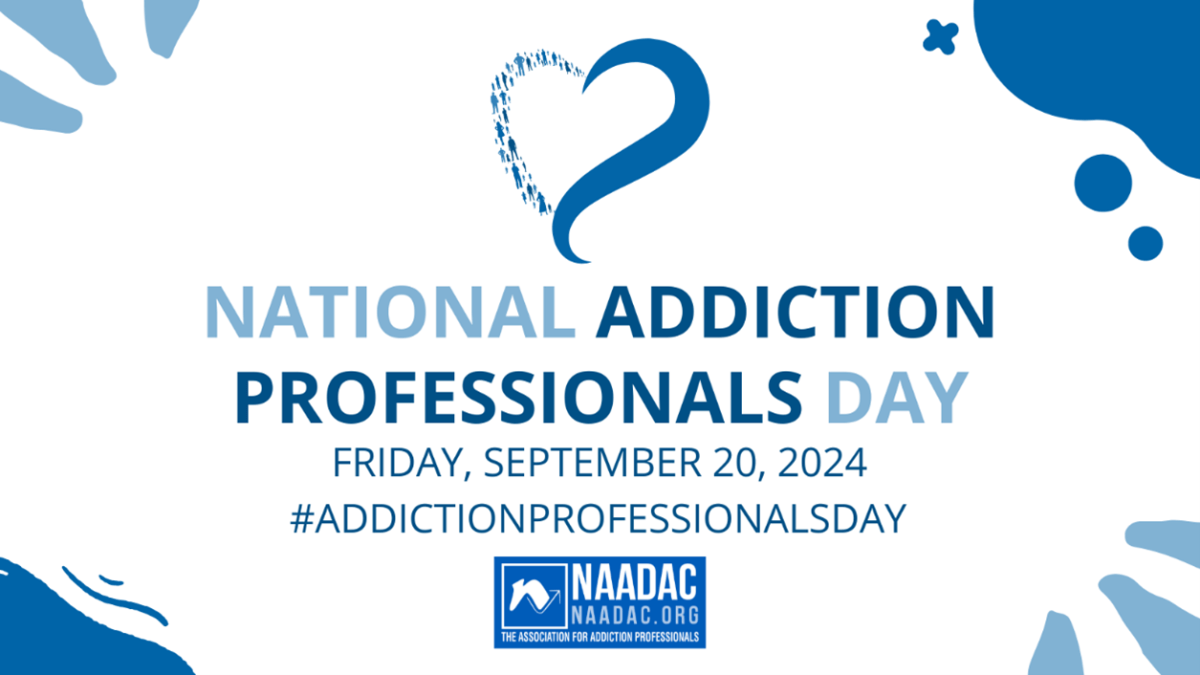
Today, Friday, September 20, 2024, is National Addiction Professionals Day! I, Carmen Pineiro, am proud to join this movement dedicated to honoring the essential contributors to our health system and continuum of care—addiction professionals.

As the addiction crisis continues to rise in the United States, it is crucial to acknowledge the significant role of addiction professionals and their dedication to supporting their communities and the nation. National Addiction Professionals Day was established by NAADAC, the Association for Addiction Professionals, in 1992 to recognize the hard work addiction professionals commit to daily.

But beyond the statistics and formal recognition, let me share a story that illustrates the heart of our work—a story of resilience, hope, and transformation.

Mark sat in his car, gripping the steering wheel so tightly his knuckles turned white. The sun had just begun to rise, but inside, Mark felt only darkness. This was the day he had been dreading—the day he had promised himself he would walk through the doors of a treatment center and ask for help.

For years, addiction had stolen everything from him—his job, his relationships, even his sense of self. Every attempt to break free had been met with crushing defeat. But today, something was different. Maybe it was the memory of his daughter’s tears, or the emptiness in his mother’s eyes the last time she saw him. Maybe it was the quiet, persistent voice in his head telling him, “You can’t do this alone anymore.”

He took a deep breath, opened the car door, and stepped out. Each step toward the building felt like an eternity, but as he crossed the threshold, he was met not with judgment, but with the warm, understanding smile of an addiction counselor. “Welcome, Mark. You’ve made a brave decision today. We’re here to walk with you every step of the way.”

Those words became Mark’s lifeline. Over the weeks and months that followed, his counselor became not just a guide but a beacon of hope. Through the darkest days, when the cravings were unbearable and the urge to give up was overwhelming, she stood by him, helping him navigate the dangerous waters of recovery. She taught him that addiction wasn’t a battle he had to fight alone and that every step forward, no matter how small, was a victory.

Mark’s journey was far from easy. There were moments when he faltered, moments when the weight of his past threatened to crush him. But with the support of his counselor and the community around him, he found strength he never knew he had. Slowly, the man who had been lost to addiction began to reemerge—a little stronger, a little more hopeful, with each passing day.

This is the work we do every day as addiction professionals. We stand beside those who feel lost, guiding them toward a brighter future, one step at a time. And on this National Addiction Professionals Day, we honor the countless lives changed, the hope restored, and the unwavering dedication of those who make recovery possible.

Join us and NAADAC, the largest membership organization for addiction-focused healthcare professionals, in celebrating #AddictionProfessionalsDay and recognizing the devoted work of addiction professionals. For more information, please visit www.naadac.org/national-addiction-professionals-day.

Happy National #AddictionProfessionalsDay to all my dedicated colleagues and friends who work tirelessly to change lives and support others. Your dedication and compassion are inspiring. Thank you for all that you do!

What’s your story? Have you or a loved one experienced the impact of addiction recovery? Share your thoughts, experiences, or words of encouragement in the comments below. Let’s celebrate the power of recovery together!

Prioritize You: How Self-Care Boosts Mental Health

Self-care is vital for maintaining mental health and overall well-being. Simple activities like regular exercise, mindfulness practices, and engaging in hobbies can make a big difference. By incorporating these self-care routines into your daily life, you can manage stress, boost your mood, and support your mental health more effectively.

Taking care of your mental health is just as important as taking care of your physical health. As a mental health counselor, I’ve seen firsthand the positive impact that self-care routines can have on well-being. Whether you’re dealing with anxiety, depression, or other mental health issues, incorporating self-care into your daily life can make a significant difference. Let’s explore some simple yet effective self-care activities like exercise, mindfulness, and hobbies that can help you maintain a positive mindset.

Why Self-Care Matters

Self-care is about taking the time to do things that help you live well and improve both your physical health and mental health. It’s about recognizing your needs and taking steps to meet them. According to the World Health Organization (WHO), self-care is crucial for maintaining good health and well-being.

Benefits of Self-Care

  1. Reduces Stress: Engaging in self-care activities can lower your stress levels. Stress is a common trigger for mental health issues, so managing it effectively is essential.
  2. Boosts Mood: Activities that you enjoy can release endorphins, the body’s natural mood elevators, which can help combat feelings of depression and anxiety.
  3. Improves Physical Health: Regular self-care can lead to better physical health, which is closely linked to mental health. For example, exercise can improve your mood and energy levels.

Self-Care Activities to Try

1. Exercise

Physical activity is one of the best ways to improve your mental health. Studies have shown that regular exercise can reduce symptoms of depression and anxiety. You don’t need to run a marathon; even a 30-minute walk can make a big difference. Here are some ideas to get you moving:

  • Walking: A daily walk can help clear your mind and boost your mood.
  • Yoga: This combines physical activity with mindfulness, helping to reduce stress and improve flexibility.
  • Dancing: Put on your favorite music and dance around your living room. It’s a fun way to get your body moving and lift your spirits.

2. Mindfulness and Meditation

Mindfulness involves focusing on the present moment and accepting it without judgment. It’s a powerful tool for managing stress and anxiety. According to the American Psychological Association, mindfulness can improve overall well-being and reduce symptoms of mental health issues. Here are some ways to practice mindfulness:

  • Meditation: Spend a few minutes each day sitting quietly and focusing on your breath. There are many apps and online resources to guide you.
  • Deep Breathing: Practice deep breathing exercises to calm your mind and body.
  • Gratitude Journaling: Each day, write down three things you’re grateful for. This can help shift your focus from negative thoughts to positive ones.

3. Hobbies and Creative Outlets

Engaging in activities you enjoy can provide a sense of accomplishment and joy. Hobbies can distract your mind from stress and provide a break from daily pressures. Consider these options:

  • Gardening: Tending to plants can be a soothing and rewarding activity.
  • Art and Craft: Drawing, painting, knitting, or any other creative activity can be therapeutic.
  • Reading: Losing yourself in a good book can be a great way to relax and escape from stress.

Making Self-Care a Habit

Incorporating self-care into your daily routine doesn’t have to be overwhelming. Start small and gradually build up. Here are some tips to help you get started:

  • Schedule It: Set aside specific times in your day for self-care activities. Treat these appointments with yourself as non-negotiable.
  • Be Kind to Yourself: Don’t be too hard on yourself if you miss a day. Self-care is about doing what you can, when you can.
  • Listen to Your Body: Pay attention to what your body and mind need. Some days you might need a vigorous workout, while other days a quiet meditation might be more beneficial.

In conclusion, taking the time to care for yourself is not a luxury; it’s a necessity. By incorporating activities like exercise, mindfulness, and hobbies into your routine, you can support your mental health and improve your overall well-being. Remember, self-care is a journey, and it’s okay to take it one step at a time. Prioritize yourself, and you’ll be better equipped to handle life’s challenges.

By focusing on self-care, you can create a foundation for better mental health. So start today, and make self-care a regular part of your life!

References

  • World Health Organization. (2020). Self-care interventions for health.
  • American Psychological Association. (2021). The benefits of mindfulness.
  • Mayo Clinic. (2021). Exercise and stress: Get moving to manage stress.

Empowering Recovery: Navigating Crystal Meth Use and Healing in the LGBT Community

Explore the intersection of crystal methamphetamine use and recovery within the vibrant LGBT community. Uncover the unique challenges faced, from societal stigma to increased HIV risk. Discover the pathways to healing and support, empowering individuals to reclaim their lives and find hope amidst adversity. Join the conversation and foster understanding today.

As we celebrate LGBT Pride Month, it’s crucial to shine a light on the challenges that the LGBT community faces, including those related to mental health and substance use. Today, I want to dive into a topic that is crucial and often lurks in the shadows: crystal methamphetamine use among the LGBT community. So, let’s settle in and chat about this important issue.

The Rise of Crystal Meth Use:

Crystal meth, also known as methamphetamine, Tina, or simply “meth,” is a potent stimulant that can have devastating effects on individuals and communities. Sadly, its use has become increasingly prevalent, particularly within the LGBT community. Why? Well, there are various factors at play.

For starters, many individuals within the LGBT community may face discrimination, rejection, or stigma, which can lead to feelings of isolation, depression, and anxiety. In search of an escape or a temporary reprieve from these struggles, some turn to substances like crystal meth.

Additionally, the party scene, with its pulsating beats, dazzling lights, and a pervasive sense of uninhibited freedom, can create an environment where the allure of energy and euphoria becomes almost irresistible. In this atmosphere of heightened sensory stimulation and social connection, the desire to amplify one’s experience may lead individuals to experiment with drugs like methamphetamine in pursuit of an intensified state of euphoria and an escape from inhibitions or emotional pain. The pressure to conform to the expectations of the scene, coupled with the perceived need to keep up with the pace and energy of those around them, can further fuel the temptation to engage in risky behaviors, including substance use.

The Dangers of Crystal Meth Use:

Now, let’s talk about the elephant in the room: the dangers associated with crystal meth use. This drug doesn’t discriminate; it can affect anyone, regardless of age, gender, or sexual orientation. From physical health risks like heart problems, dental issues (hence the term “meth mouth”), and weight loss to mental health challenges such as paranoia, hallucinations, and mood disturbances, the consequences of methamphetamine use can be severe and long-lasting.

Within the LGBT community, the dangers of crystal methamphetamine use extend beyond the physical and psychological effects of the drug itself. One particularly alarming risk is the heightened susceptibility to HIV transmission associated with methamphetamine use. Studies have shown that individuals who use meth are more likely to engage in high-risk sexual behaviors, such as unprotected sex or sharing needles, which can increase their chances of contracting HIV and other sexually transmitted infections. This is especially concerning given the disproportionate impact of HIV/AIDS within the LGBT community.

Moreover, the addictive nature of crystal meth can quickly spiral out of control, leading to dependence and addiction. What may have started as a recreational activity or a coping mechanism can rapidly evolve into a full-blown crisis, impacting every aspect of a person’s life, from relationships and work to their own sense of self-worth.

Facing the Statistics:

Let’s take a moment to look at the statistics. According to the Substance Abuse and Mental Health Services Administration (SAMHSA), individuals who identify as LGBT are more likely to use substances like methamphetamine compared to their heterosexual peers. This heightened risk underscores the importance of addressing substance use within our community and providing support and resources for those who are struggling.

The Path to Recovery:

Now, here’s the good news: recovery is possible. While the road to recovery may be challenging, it’s not insurmountable. Seeking help is the first step on this journey. Whether it’s reaching out to a trusted friend, connecting with a counselor or therapist, or accessing support groups like Crystal Meth Anonymous (CMA), there are resources available to support individuals in their recovery efforts.

Recovery isn’t just about abstaining from substance use; it’s also about rebuilding one’s life, finding healthier coping mechanisms, and rediscovering a sense of purpose and joy. It’s about surrounding oneself with a supportive community that understands and accepts you for who you are, unconditionally.

Recovery from crystal methamphetamine use within the LGBT community requires a nuanced and tailored approach that acknowledges the unique challenges and experiences faced by individuals in this community. It’s essential to create spaces that are inclusive, affirming, and free from judgment, where individuals can explore their identities, address underlying trauma, and rebuild their lives free from substance use. For many LGBT individuals, finding supportive networks of peers who understand their struggles and can offer empathy and guidance is crucial. Additionally, access to culturally competent healthcare providers and specialized treatment programs that address the intersection of substance use and LGBT identity can greatly enhance the recovery journey. By fostering a sense of belonging, resilience, and empowerment, we can help LGBT individuals navigate the path to recovery with dignity, compassion, and hope for a brighter future.

Join the Conversation:

As we reflect on LGBT Pride Month and the challenges facing this community, I invite you to join the conversation. Have you or someone you know been affected by crystal meth use? What strategies have helped you or your loved one on the path to recovery? Share your thoughts, experiences, and words of encouragement in the comments below. Together, let’s continue to support one another and create a safer, healthier, and more inclusive world for all.

Embracing Change: Mental Health Month and National Prevention Week

May approaches with Mental Health Month and National Prevention Week, offering insights and coping skills to combat substance use and mental health struggles. Together, let’s embrace change, find solace, and rewrite our narratives. With every step, we reclaim control and pave the path to healing.

As May approaches, we embark on a journey of self-discovery and healing. May is Mental Health Month, and it holds within it National Prevention Week, a beacon of hope for those of us struggling with substance use and mental health challenges. Sponsored by the Substance Abuse and Mental Health Services Administration (SAMHSA), this week, from May 8th to May 14th, offers us a chance to find solace, support, and pathways to a brighter tomorrow.

Each day of National Prevention Week is dedicated to a theme, offering insights and coping skills to navigate the challenges we face:

May 11: Coping with Prescription Drug and Opioid Misuse

Facing the temptation to misuse prescription drugs or opioids can feel overwhelming. One coping skill to try is grounding techniques. Find a comfortable spot, take deep breaths, and focus on your senses. Notice the feeling of the ground beneath you, the sounds around you, and the rhythm of your breath. Grounding brings you back to the present moment, helping you resist urges and regain control.

May 12: Coping with Underage Drinking and Alcohol Misuse

Resisting the allure of alcohol when you’re underage or struggling with alcohol misuse can be challenging. One coping skill to practice is creating a safety plan. Identify triggers that lead to drinking, and develop strategies to cope with them. Reach out to supportive friends or family members, distract yourself with hobbies or activities you enjoy, or have a list of helplines ready to call if you feel overwhelmed.

May 13: Coping with Illicit Drug Use and Youth Marijuana Use

Dealing with the pressure to use illicit drugs or marijuana as a youth can feel isolating. One coping skill to explore is mindfulness meditation. Find a quiet space, close your eyes, and focus on your breath. Notice any thoughts or feelings that arise without judgment, and gently guide your attention back to your breath. Mindfulness meditation helps you cultivate inner strength and resilience to resist peer pressure and make healthier choices.

May 14: Coping with Youth Tobacco Use (E-cigarettes and Vaping)

Struggling with addiction to tobacco, e-cigarettes, or vaping products can feel like an uphill battle. One coping skill to try is progressive muscle relaxation. Sit or lie down in a comfortable position, and slowly tense and then relax each muscle group in your body, starting from your toes and working your way up to your head. Progressive muscle relaxation helps release tension and reduce cravings, allowing you to take control of your addiction.

May 15: Coping with Suicidal Thoughts

Navigating suicidal thoughts can be frightening and overwhelming. One coping skill to utilize is creating a safety plan. Identify warning signs that indicate you’re feeling suicidal, and list coping strategies to manage these feelings. Reach out to trusted friends, family members, or mental health professionals for support. Remember, you are not alone, and there is help available.

As we embark on this journey together, remember that healing is not linear, and it’s okay to ask for help when you need it. Reach out to supportive individuals in your life or seek professional guidance from counselors or support groups. Together, we can embrace change, find hope, and build a brighter future.

Unlocking Your Potential: Celebrating National Counseling Awareness Month

Unlock the transformative power of counseling this National Counseling Awareness Month! Break the stigma surrounding mental health, explore diverse counseling approaches, and discover inspiring success stories. Join the conversation in the comments—share your experiences, challenge stigmas, and be part of a community fostering open dialogue about the importance of mental well-being.

April is not just a month of showers and blooming flowers; it’s also a time to celebrate National Counseling Awareness Month. This month is dedicated to shedding light on the importance of seeking counseling, breaking down stigmas surrounding mental health, and exploring the diverse approaches that counseling can offer. As a mental health counselor, I want to share insights into the transformative power of counseling through this special blog post.


The Importance of Seeking Counseling: Breaking Stigmas

In a world that often prioritizes physical health over mental well-being, seeking counseling can be a bold and courageous step. The first crucial aspect is breaking down the pervasive stigmas associated with counseling. Mental health is an integral part of our overall well-being, and acknowledging the need for support is a strength, not a weakness.

Counseling provides a safe and non-judgmental space where individuals can explore their thoughts, feelings, and concerns. It’s a collaborative journey that empowers individuals to navigate life’s challenges and make positive changes. By embracing counseling, we dismantle the stigma that seeking help is a sign of inadequacy. Instead, it becomes a testament to one’s commitment to personal growth and resilience.


Exploring Different Types of Counseling Approaches

Counseling is not a one-size-fits-all solution. In fact, it comes in various forms, each tailored to meet the unique needs of individuals. From traditional talk therapy to more specialized approaches like cognitive-behavioral therapy (CBT), dialectical behavior therapy (DBT), and art therapy, the options are vast.

Exploring these different approaches allows individuals to find a therapeutic method that resonates with them. It’s about recognizing that there are multiple paths to healing, and counseling can be customized to address specific challenges, whether they are rooted in relationships, trauma, stress, or personal growth.


Success Stories: How Counseling Can Transform Lives

The true magic of counseling lies in the countless success stories that emerge from the therapeutic process. Clients often discover newfound resilience, coping strategies, and a deeper understanding of themselves. Whether it’s overcoming anxiety, navigating life transitions, or healing from past traumas, counseling provides the tools and support needed to transform lives.

Realizing that you’re not alone in your struggles and witnessing the positive changes in others can be incredibly inspiring. It highlights the potential for growth, resilience, and happiness that counseling can unlock. Success stories remind us that seeking help is a brave and empowering choice that can lead to a more fulfilling and authentic life.


Join the Conversation

As we celebrate National Counseling Awareness Month, I invite you to share your thoughts and experiences in the comments below. Have you personally benefited from counseling? What stigmas have you encountered, and how did you overcome them? Your stories have the power to inspire and support others who may be considering counseling but are unsure where to begin.

Let’s break the silence, challenge the stigmas, and foster a community that encourages open conversations about mental health. Your voice matters, and together, we can create a culture that values and prioritizes mental well-being.


Remember, the call to action is a crucial element in engaging your readers. Encourage them to share their experiences and thoughts, fostering a sense of community and breaking down the isolation often associated with mental health challenges.

Nurturing Your Well-being: A Guide to Setting Boundaries in Recovery

Explore the delicate dance of setting boundaries in recovery with our mental health counselor’s guide. Learn to navigate challenges like guilt and fear of rejection, discovering tips for clear communication and self-reflection. Embrace the journey, celebrate victories, and join our community in fostering understanding and resilience.

Hello, dear readers! Today, let’s dive into the intricate dance of setting boundaries – a crucial aspect of our journey toward mental well-being. Mastering the art of boundary setting can be both empowering and challenging, especially when navigating relationships with friends and family during the recovery process.


The Dance of Boundaries:

Picture this: you’re on a tightrope, balancing your recovery journey with the expectations of those around you. Setting boundaries becomes an essential skill, akin to finding your center on that thin line. But, oh, the challenges! Striking the right balance between maintaining relationships and safeguarding your well-being can feel like walking a tightrope during a windstorm.


Navigating Challenges:

One of the significant challenges in boundary setting is overcoming guilt. It’s natural to want to please others, but remember, your mental health is the top priority. Another hurdle is the fear of rejection – what if setting boundaries strains your relationships? It’s a valid concern, but an open and honest dialogue can often strengthen bonds rather than break them.


Tips for Navigating the Tightrope:

  1. Communicate Clearly: Express your needs and feelings openly. Honest communication is the key to understanding.
  2. Be Consistent: Boundaries are not a one-time thing. Consistency is vital for others to understand and respect your limits.
  3. Self-Reflection: Regularly check in with yourself. Are your boundaries serving your well-being? Adjust them if needed.
  4. Seek Support: Share your journey with a trusted friend or family member. Having a support system can make boundary setting less daunting.

Embrace the Journey:

Setting boundaries is not a rigid task; it’s a dynamic process of self-discovery and growth. Embrace the journey, understanding that the road to recovery is unique for everyone. As you navigate the delicate dance of boundaries, remember to celebrate your progress, no matter how small.

As we conclude our exploration into this delicate dance, remember that the journey of recovery is both personal and communal. It’s about finding harmony within yourself and nurturing connections with those around you.

Setting boundaries is not a declaration of independence but a gentle assertion of self-worth and self-care. It’s an ongoing process of learning, adjusting, and growing. The challenges may seem daunting at times, but they are opportunities for personal and relational evolution.

So, dear readers, as you embark on your own boundary-setting adventure, embrace the journey with an open heart. Celebrate the victories, acknowledge the lessons, and be compassionate with yourself in moments of struggle. Share your insights, ask questions, and support one another in the comments below. Let this space be a sanctuary where our collective wisdom continues to flourish, fostering a community bound by understanding, resilience, and the shared pursuit of a healthier, happier life.

May your boundaries be a reflection of the love and care you deserve. Here’s to a future filled with strengthened connections, flourishing well-being, and the beauty that unfolds when we navigate the dance of boundaries with grace and authenticity. Until next time, take gentle steps on your path to mental wellness.


Thanksgiving and Sobriety: A Guide to Navigating Family Gatherings

In the midst of holiday festivities, staying sober can be a tough challenge. Our Thanksgiving guide offers practical tips, from planning ahead to building support networks. Join our community in sharing your personal strategies for navigating these occasions while prioritizing your well-being. Together, we can make the holiday season a time of strength and gratitude.


Thanksgiving is a time for expressing gratitude and spending quality moments with family and friends. But for those in recovery from substance use, this holiday can be a challenging time. The abundance of alcohol and societal pressure to partake in festivities can be overwhelming. In this blog post, we’ll provide you with valuable tips on how to maintain your sobriety while enjoying the company of your loved ones during Thanksgiving.

1. Plan Ahead:

Preparation is key. Before the big day, create a plan for the holiday. Know your triggers and be mindful of the potential challenges you might face. Make a list of coping strategies and emergency contacts you can turn to if you find yourself in a difficult situation.

2. Communicate with Your Loved Ones:

Don’t be afraid to share your sobriety journey with your family and close friends. Open and honest communication is vital. Let them know about your commitment to staying sober and kindly request their support. The people who care about you will want to help you succeed.

3. Host Your Own Sober Event:

Consider hosting your own Thanksgiving gathering or bringing non-alcoholic beverages to a family gathering. Having control over the environment and the drink options can help you feel more secure in your choice to remain sober.

4. Create New Traditions:

Instead of focusing on the past and potentially triggering experiences, consider creating new traditions. Engage in activities that promote wellness and recovery, like going for a hike, playing board games, or volunteering at a local charity.

5. Have a Sober Buddy:

It can be extremely beneficial to have a sober buddy with you during Thanksgiving gatherings. Whether it’s a friend in recovery or a supportive family member, having someone by your side who understands your journey can provide a sense of security.

6. Practice Self-Care:

Thanksgiving can be emotionally charged. It’s essential to prioritize self-care during this time. This might include daily meditation, exercise, journaling, or engaging in hobbies you enjoy. A calm and centered mind is better equipped to handle potential stressors.

7. Stay Mindful:

Mindfulness techniques can help you stay focused and grounded. Be aware of your emotions and triggers and practice deep breathing and meditation to maintain your emotional balance.

8. Be Prepared for Questions:

You may encounter questions from well-meaning but unaware family members. Prepare some brief, honest responses that help you avoid unnecessary stress. It’s okay to let people know you’re in recovery without going into extensive detail.

9. Find Support:

If you have access to a support group or therapist, make sure to attend meetings or appointments before and after Thanksgiving. Connecting with others who are facing similar challenges can be a tremendous source of strength and motivation.

10. Reflect on Gratitude:

Thanksgiving is about gratitude, and it’s an excellent time to reflect on the positive aspects of your life. Keep a gratitude journal and make it a habit to write down the things you’re thankful for every day. This can help shift your focus to the positive and keep you motivated in your recovery.

Thanksgiving is a time to be thankful for the progress you’ve made on your recovery journey and to celebrate the support of your loved ones. By following these tips and staying committed to your sobriety, you can enjoy the holiday season with your family and friends, creating lasting memories without the need for substances. Remember that you are not alone, and many others are on a similar path. Embrace the holiday season with confidence and the knowledge that you have the strength to stay sober and enjoy the love and support of your family and friends.

To wrap up this post, we’d like to hear from you. What are your go-to strategies for staying sober during Thanksgiving gatherings? Do you have any personal tips or experiences you’d like to share with our community? We encourage you to leave a comment below, as your insights might provide inspiration and support for others on their journey to maintaining sobriety during the holiday season.

Reuniting with Family and Making Amends: A November Journey to Healing

In the crisp embrace of November, we’re reminded of the beauty of change and renewal. This month invites us to mend fractured bonds, reconcile with family, and find healing in gratitude. Embrace the power of this season to embark on a journey of self-discovery and connection. How has November inspired your healing journey? 💕🍁

As November sweeps in with its cool winds and vibrant hues, it brings with it the opportunity to reflect on our relationships and embark on a journey of healing and reconciliation. For those who have struggled with mental health and substance use, this month can serve as a powerful catalyst for reconnecting with loved ones and making amends. In this blog post, we will explore the importance of reuniting with family, making amends, and the healing power of November.

The Season of Gratitude and Reflection: November, often associated with Thanksgiving, encourages us to express gratitude for the blessings in our lives. It’s also an ideal time to reflect on our relationships, acknowledging the importance of family and close friends. For those whose mental health and substance use challenges have strained these bonds, November offers an opportunity to start rebuilding what was once lost.

The Power of Connection: Reuniting with family members and loved ones is a vital step in the recovery process. Isolation and estrangement can exacerbate mental health issues and substance use disorders. By reaching out and mending these relationships, individuals can begin to rebuild their support systems.

Making Amends: Making amends is a significant part of the recovery process. This involves acknowledging past mistakes, taking responsibility for them, and making sincere efforts to right those wrongs. Whether it’s through a heartfelt conversation or a written letter, taking the initiative to make amends can lead to closure, forgiveness, and a renewed sense of self.

November as a Symbol of Hope: The autumnal beauty of November is symbolic of transformation and change. Just as the leaves shed their old selves to make way for new growth in the spring, so too can individuals shed their past mistakes and foster personal growth during this month. It’s a season to embrace the opportunity for change and healing.

The Healing Power of November: The cool, crisp air and the falling leaves can be a reminder that change is a natural and necessary part of life. This November, consider taking the first step in reuniting with family, mending relationships, and finding solace and healing in the embrace of loved ones.

How will you use the month of November as a time for reconciliation and healing in your journey of mental health and substance use recovery? Share your experiences and insights in the comments below, and let’s support one another in this transformative season of change. 💕🍁 #NovemberHealing #RecoveryJourney #FamilyReunion