Blog

U.S. Health Department Recommends Marijuana Rescheduling: A Shift in Federal Policy

In recent developments, the United States is considering a significant change in its classification of marijuana. Currently designated as a Schedule I controlled substance under the Controlled Substances Act, marijuana faces the strictest level of restriction due to its perceived high risk of abuse and lack of recognized medical use.

The U.S. Department of Health and Human Services has taken a notable step by requesting the U.S. Drug Enforcement Administration (DEA) to reevaluate marijuana’s classification and potentially reclassify it as a Schedule III substance. Schedule III drugs are characterized by a lower potential for abuse and recognized medical uses, making them accessible with a prescription. This move aligns with President Joe Biden’s prior efforts to reduce marijuana penalties, including federal pardons for previous simple possession offenses and encouragement for states to follow suit.

While this potential reclassification could have far-reaching implications for the acceptance and regulation of marijuana in the United States, it’s essential to clarify that it doesn’t automatically equate to legalization. The United States has a diverse landscape of marijuana laws, exemplified by states like California and Colorado, where recreational use is legal, versus states with strict prohibitions.

In states where recreational use is permitted, specific regulations vary, encompassing possession limits, cultivation guidelines, and taxation policies. Thus, while federal reclassification may impact the overall landscape, state laws will continue to play a crucial role in marijuana’s legal status.

Cannabis advocates have long argued that reclassifying marijuana would better acknowledge its legitimate uses and bring federal policy closer to the reality of widespread consumption. According to data from the U.S. Centers for Disease Control and Prevention, approximately 18% of Americans used cannabis at least once in 2019.

The recommendation from the U.S. Department of Health and Human Services follows a thorough review by the U.S. Food and Drug Administration (FDA). The FDA’s evaluation considered eight key factors in assessing whether marijuana’s reclassification is warranted, with Assistant Secretary for Health Rachel Levine confirming alignment with the National Institute on Drug Abuse’s stance.

While many see this development as a significant milestone for the cannabis industry, it’s important to note that it doesn’t entirely harmonize federal law with state laws. National Cannabis Industry Association CEO Aaron Smith advocates for a more comprehensive resolution, suggesting that removing marijuana from the Controlled Substances Act and regulating it similarly to alcohol could address the federal-state conflict more effectively. While the potential reclassification marks progress, the future of federal marijuana policy remains uncertain.

As these changes evolve, it’s crucial to stay informed about their implications, which extend beyond the cannabis industry to affect the broader public. We will continue to provide updates on this dynamic situation.

Now, we’d like to hear your opinion on this proposed change in marijuana’s scheduling, shifting from Schedule I to Schedule III. How do you perceive this potential shift in federal policy?

Unveiling the Veil: Exploring 5 Predictors for Alcohol Use Among the Transgender Population

In the journey towards understanding the complex tapestry of human behavior, certain marginalized groups often remain overlooked. The transgender community, comprising individuals whose gender identity differs from the sex assigned at birth, has long been an understudied and underserved population. As we navigate the multifaceted landscape of transgender experiences, it becomes apparent that various factors contribute to their unique challenges and coping mechanisms. One such challenge is the increased prevalence of alcohol use within this community. In this article, we will delve into five significant predictors for alcohol use among the transgender population, unveiling the underlying dynamics and shedding light on the need for targeted interventions and support.

  1. Minority Stress and Discrimination

A cornerstone in understanding the predictors of alcohol use among transgender individuals lies in the concept of minority stress. Transgender individuals often face higher rates of discrimination, harassment, and violence, leading to elevated levels of psychological distress. As a means of coping with these stressors, some individuals may turn to alcohol as a temporary escape. Research has shown a clear link between experiences of discrimination and alcohol use, emphasizing the importance of addressing systemic inequalities to reduce substance use within the transgender community.

  1. Mental Health Challenges

The intersection of gender dysphoria and mental health challenges can create a precarious environment for transgender individuals. The American Psychological Association notes that transgender individuals often face disparities in mental health outcomes, with higher rates of depression, anxiety, and suicide risk. (Source: “Policy Statement on Discrimination Against Transgender and Gender Nonconforming Individuals,” 2015)1. Depression, anxiety, and other mental health disorders are common among this group, and alcohol use can sometimes serve as a self-medication strategy. As mental health symptoms intensify, individuals may resort to alcohol as a way to numb emotional pain. It is essential to recognize the interconnectedness of mental health and substance use and offer comprehensive support to address both.

  1. Social Isolation and Rejection

Transgender individuals often experience social isolation, alienation, and rejection from family, friends, and even society at large. The sense of belonging and community becomes paramount in mitigating these feelings of isolation. Unfortunately, the quest for acceptance may lead some individuals to environments where alcohol consumption is normalized. Thus, creating safe spaces and fostering inclusive communities can serve as protective factors against alcohol misuse.

Here is a glimpse into the emotional turmoil that social isolation and rejection can cause for transgender individuals. Alex, a transgender man in his thirties, had always known he was different from his peers. As he navigated his journey of self-discovery, he realized he had a unique bond with his childhood friend, Emily. They had shared secrets and dreams, and it was Emily who stood by Alex’s side when he came out as transgender.

However, as they entered their teenage years, Emily began to withdraw from Alex’s life. Her parents’ disapproval of their close friendship drove a wedge between them, and Emily reluctantly distanced herself. Alex found himself grappling with a sense of abandonment, his closest confidante slipping away just when he needed her the most.

Feeling adrift and alone, Alex sought companionship in online communities that shared his interests and experiences. In these virtual spaces, he discovered others who understood his struggles. But the constant yearning for face-to-face connections took a toll on his mental health. One evening, overwhelmed by loneliness, Alex found himself at a local pub, hoping to find a glimpse of the camaraderie he had lost. The clinking glasses and cheerful chatter offered a momentary respite from his isolation, albeit at a cost. The search for acceptance and belonging, coupled with the pain of feeling disconnected from family, friends, and community, can drive some to seek solace in alcohol.

  1. Lack of Access to Healthcare

Healthcare disparities, particularly in gender-affirming care, can contribute to alcohol use among transgender individuals. A study published in the “American Journal of Public Health” found that transgender individuals are more likely to face barriers to healthcare access, including lack of insurance and discrimination by providers (Source: Seelman et al., 2017). The journey to accessing gender-affirming treatments, such as hormone therapy or gender-affirming surgeries, can be lengthy and fraught with barriers. The lack of appropriate healthcare support can exacerbate feelings of hopelessness and despair, leading to increased alcohol consumption. Bridging the healthcare gap and ensuring access to gender-affirming care is crucial in addressing alcohol use within this community.

  1. Intersectionality and Cultural Factors

The transgender population is diverse, encompassing individuals from various racial, ethnic, and cultural backgrounds. The intersection of transgender identity with other marginalized identities can amplify the challenges faced. Research from the Williams Institute at UCLA School of Law indicates that transgender Latinx and Black individuals face disproportionately higher rates of poverty and unemployment compared to the general population (Source: “The Gender Identity-Normative or Atypical Care, Barriers, and Delay in Accessing Care Among Transgender People” 2014). Cultural stigmatization, family dynamics, and traditional values can influence alcohol use patterns. Understanding the unique cultural contexts and tailoring interventions that acknowledge these nuances are essential for effective support.

Conclusion

Unveiling the predictors of alcohol use among the transgender population requires a comprehensive and empathetic approach. By acknowledging the impact of minority stress, mental health challenges, social isolation, healthcare disparities, and intersectionality, we can create targeted interventions that address the root causes of alcohol use within this community. The key lies in fostering inclusive environments, promoting mental health, and advocating for equitable access to healthcare. As we continue to unravel the intricate threads of transgender experiences, it is our responsibility to provide the support and resources needed to empower individuals on their journey toward resilience and well-being.

Overcoming Addiction: Embrace the Journey to Recovery!

As therapists, we understand the immense challenges and triumphs that come with the journey of substance use recovery. Today, we want to extend our support, encouragement, and guidance to all those who are bravely walking this path. Remember, you are not alone!

Recovery is a unique journey for each individual, but it’s a journey that’s worth it. Here are some important insights and reminders to help you along the way:

1️⃣ Celebrate Every Step: Recovery is a series of small victories. Embrace each milestone, no matter how small, and acknowledge the progress you’re making. You’re taking control of your life, and that is an incredible achievement!

2️⃣ Seek Support: Remember, seeking help is a sign of strength, not weakness. Surround yourself with a supportive network, including therapists, support groups, and friends who understand your journey. They can offer guidance, empathy, and motivation when you need it most.

3️⃣ Engage in Self-Care: Prioritize your well-being during recovery. Engage in activities that bring you joy, reduce stress, and promote self-discovery. Nurturing your physical, emotional, and mental health is crucial for long-term recovery. Self-Care is vital!

4️⃣ Be Kind to Yourself: Recovery can be challenging, and setbacks may occur. Remember to be patient and compassionate with yourself. Celebrate progress and learn from any setbacks or relapses, using them as opportunities for growth and resilience.

5️⃣ Practice Healthy Coping Skills: Discover alternative ways to manage stress and emotions, such as exercise, meditation, creative outlets, or hobbies. Find activities that help you find peace, purpose, and fulfillment without resorting to substance use.

6️⃣ Establish Boundaries: Surround yourself with a positive environment that supports your recovery. Set clear boundaries with individuals who may hinder your progress or trigger old habits. Your well-being is paramount, and you deserve a safe and supportive space.

7️⃣ Never Lose Hope: Recovery is a journey with ups and downs. Remember that setbacks are not failures; they are stepping stones to a stronger, more resilient you. Stay hopeful, keep pushing forward, and believe in your ability to overcome.

💙 If you or someone you know is struggling with substance use, reach out for a confidential conversation, and together, we can create a personalized plan to help you navigate the path to recovery.💙

Remember, every step forward is a step toward a brighter future. You are capable, resilient, and deserving of a life filled with joy, purpose, and well-being. I am proud of you for embarking on this courageous journey!

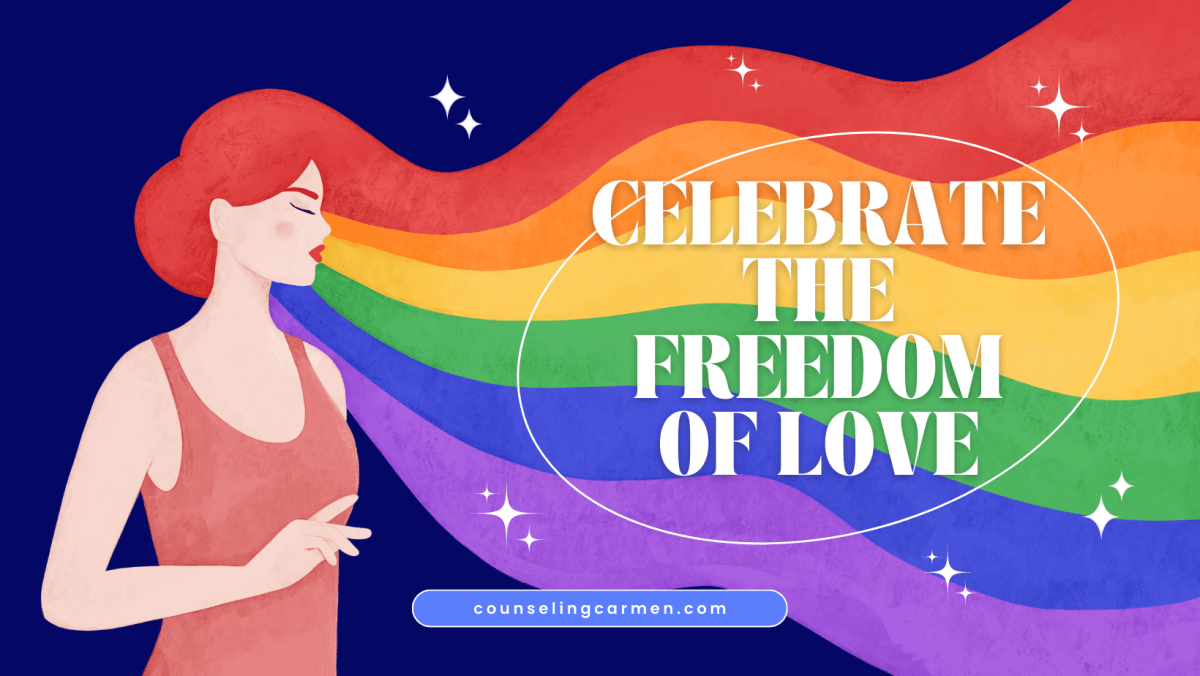
Why LGBT Pride is Essential to Me as a Therapist

LGBT Pride holds immense significance for me as a therapist because it represents a powerful celebration of identity, equality, and the resilience of the LGBTQ+ community. As an individual who actively supports and fights for the rights of the lesbian, gay, bisexual, and transgender community, I firmly believe that Pride events play a vital role in promoting awareness, fostering inclusivity, and inspiring positive change. In this article, I will outline the reasons why LGBT Pride is essential to me as an therapist.

1. Celebrating Diversity:

LGBT Pride events are a vibrant and joyous celebration of the diversity within the LGBTQ+ community. They provide a platform to honor the vast range of sexual orientations and gender identities that exist, highlighting the beauty and uniqueness of each individual. Pride festivals, parades, and gatherings allow us to come together and embrace our differences, fostering a sense of belonging and unity among all members of the community.

2. Visibility and Awareness:

Pride events create a significant impact by increasing the visibility of the LGBTQ+ community. They offer an opportunity for individuals to express their authentic selves, free from fear or judgment. By showcasing our pride and courage, we challenge societal norms, dispel stereotypes, and raise awareness about the challenges faced by the community. This visibility can be a catalyst for change, breaking down barriers and promoting understanding and acceptance among people from different walks of life.

3. Empowerment and Inspiration:

Attending Pride events, I have witnessed the incredible empowerment they provide to individuals struggling with their sexual orientation or gender identity. Pride acts as a source of inspiration, reminding people that they are not alone and encouraging them to embrace their true selves without fear. It offers a safe space where individuals can find support, connect with others who share similar experiences, and gain the confidence to live authentically.

4. Advocacy and Activism:

LGBT Pride serves as a platform for advocacy and activism, where the voices of the community can be amplified. Pride events often involve marches, rallies, and educational sessions that focus on raising awareness about LGBTQ+ rights, combating discrimination, and promoting equality. As an advocate, Pride gives me the opportunity to actively engage with others, share knowledge, and collaborate with like-minded individuals and organizations to create lasting change.

5. Commemorating Progress and Resilience:

Pride events not only celebrate the progress that has been made in terms of LGBTQ+ rights but also commemorate the struggles and resilience of the community. They serve as a reminder of the battles fought and the sacrifices made by those who came before us, laying the groundwork for the rights and freedoms we enjoy today. Pride honors the journey towards equality and justice, motivating us to continue the fight for those who still face discrimination and oppression.

For me, LGBT Pride is an incredibly important and powerful movement. As an therapist and an advocate, it represents an opportunity to celebrate diversity, increase visibility, empower individuals, advocate for rights, and commemorate the progress made by the LGBTQ+ community. Pride events not only bring together people from all walks of life but also inspire us to create a more inclusive and accepting society. By embracing our pride and supporting Pride events, we take a step forward in ensuring that every individual, regardless of their sexual orientation or gender identity, can live with dignity, respect, and equality.

Good Bye Crack!

During one of the STOPP substance abuse groups,  we held a contest and asked group members to submit a break-up letter to their drug of choice or to their addiction as a whole. We received four entries. This is one of the letters….Show your love by leaving a like or a comment!!

“Dear Crack Cocaine, 

It started out as fun. When you came into my life I had no worries, no pain, and I didn’t care about family or friends. You made me feel happy all the time. Nothing lasts forever and something changed. I lost my apartments and spent all my money on you. I hit bottom and I hated myself. So one day I said “That’s enough.” I picked myself up and threw you out of my life. Now today I can say I love myself and you cannot have me anymore! 

Sincerely, 

Your ex.”

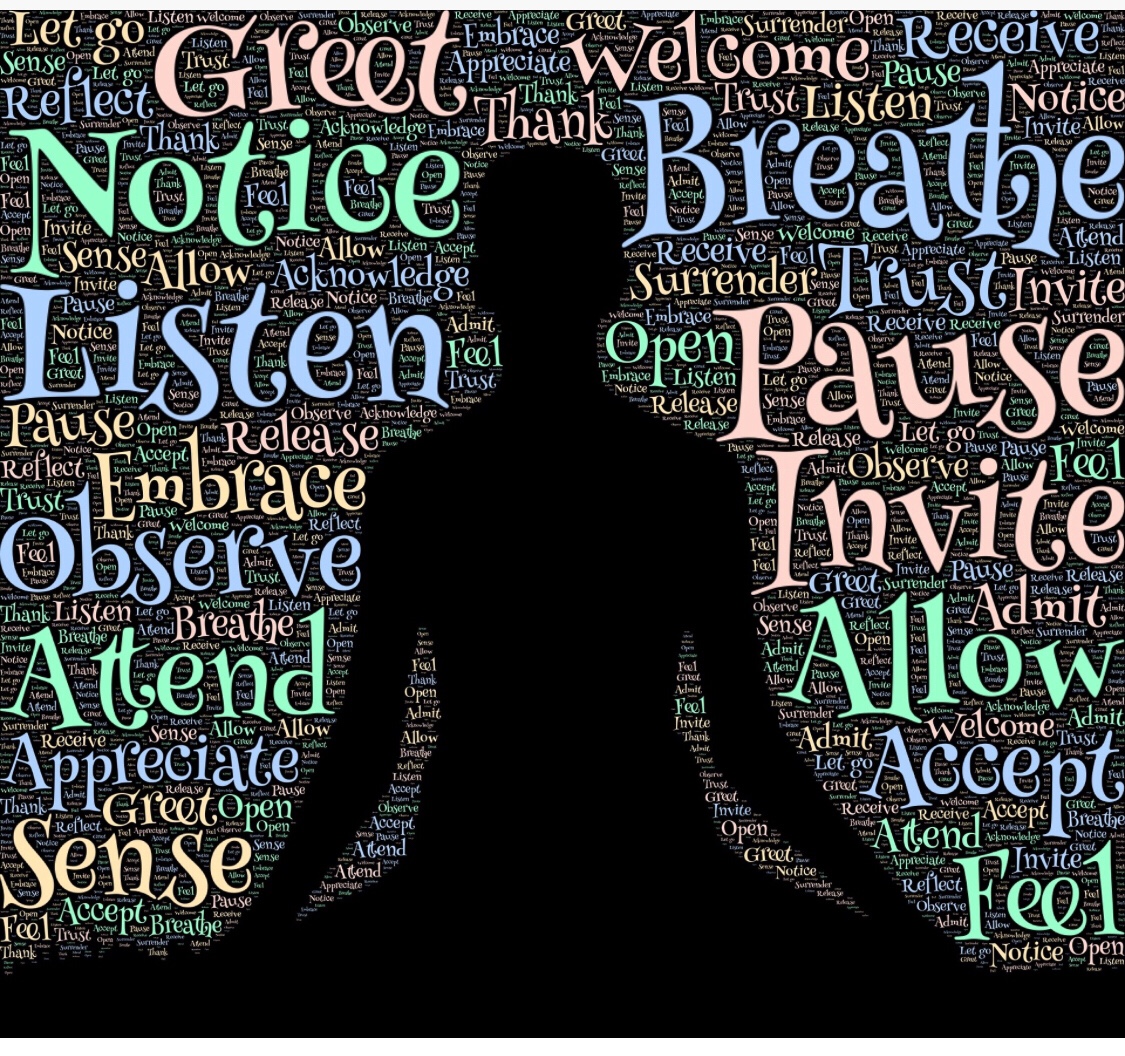
Mindfulness is the Answer!

Have you ever been talking to someone but your mind has made so many comments you lost track of the conversation and were unable to reply? Or have you ever been driving and realized you passed the street you had to turn on because you were caught up in your thoughts? We are consistently thinking, constantly analyzing to the point we function out of habit, “on autopilot.” day after day, We race to drop kids off, get to work, then back to pick up kids, get home, to cook, shower, sleep and repeat. Life becomes routine, it gets boring. Life is passing by us yet we’ve missed most of it.

The human mind capable of storing facts, faces and a range of information. It helps us solve small and big problems, an extraordinary problem solver it is. The mind can solve complex problems and be the ticket to success but it can also become our own enemy. Problem solving can turn to overthinking,worry and ruminating. It can create thoughts, all day, all night, everyday, endlessly. Thought after thought, the mind hijacks our attention; it takes us into the future, then throws us into the past, thinking and rethinking the “what if’s” and endless worrying that can lead to anxiety and depression.

Is there a way to stop the mind from thinking? from worrying? from chattering on and on? Yes, there is a way. Mindfulness.

John Kabat-Zinn, founder of the Stress Reduction Clinic at the University of Massachusetts Medical Center, defines mindfulness as “the awareness that arises through paying attention, on purpose, in the present moment and non-judgmentally.” Mindfulness is said to improve both mental and physical health; It helps relieve stress, depression and anxiety.

Mindfulness, in simplest terms, is paying attention, on purpose and connecting with the present moment. When you pay attention mindfully, you are able to enjoy each and every moment in the present as it happens. Washing dishes, showering or eating you completely engage and immerse yourself in the activity, noticing every detail and savoring every aspect of the activity. Staying present quiets the mind and releases you from future worrying and reliving past situations. Now, you can start to fully participate in your life, now, in the present moment.

So, how can you be mindfulness and begin living life? Here are 3 Simple mindfulness exercises you can begin practicing immediately, anywhere and anytime. Keep in mind, as you practice being mindful thoughts will show up. You may get thoughts you’re doing something wrong, this doesn’t work, I can’t do this, and so on. That’s ok, it’s normal. Just notice you had the thought and continue to breathe in and out.

Mindful breathing

Allow yourself to notice the flow of your natural breath, as the air comes in through your nostrils and goes out through your mouth….in…..out…..in….out. Now notice how your lungs expand as they fill with air when you inhale and deflate as you breathe out and exhale… inhale…….and exhale. Now notice how the abdomen rises as you breathe in and flattens as you breathe out. Allow your attention to gently ride each breath, not thinking about how you breathe, without the need to comment. Simply noticing your breath as you inhale…..and exhale.

5 senses

Start off noticing the natural flow of your breath. Lets turn your attention to one of your five senses….sight, hearing, touch, smell or taste. Allow yourself to look around the room and name 5 things that you see 1, 2, 3, 4, 5. Next, stay still and listen to the sounds around you. Name 5 things you hear for example the birds chirping, cars passing by, music playing. If there is music playing try to focus on specific instruments playing. Make it a point to distinguish between different beats or instruments. Try describing 5 different things you can touch, smell and taste.

Mindful walking

As you walk, focus your attention on any sensations felt throughout your body. Step by step, feel the contact each foot makes with the ground. Step by step notice which part of your foot strikes the ground first at the beginning of each step? Your toes…..your heel… Now, notice which part of your foot leaves the ground last at the end of each step? Toes…..heels……As you continue to walk and take one mindful step after another begin to notice how your knees bend as you walk, notice the flexing and contracting of your muscles in your calves, feeling any soreness or sensation that may arise. Next, notice your arms as they swing front and back….front and back. Notice how they lightly touch your hips as they swing back and forth. Don’t change anything about the way you walk, just notice even the slightest detail of how you walk.

Noticing or describing thoughts as they come and go can be added into any mindfulness exercise, for example, “ I am having the thought that..,” or you can silently note “thinking” and continue the exercise. You can name each individual feeling by name, for example “anger,” “boredom,” “happy.” When thoughts arise, You could use a phrase like, “it’s a thought.” You can be even more specific, and note your thoughts by categories, for example ‘judging’, ‘worrying’, ‘analyzing’, ‘remembering’, Or simply: ‘anxious thought’, ‘sad thought’, ‘neutral thought’; ‘thought about the future’, ‘thought about the past’ etc. If an emotion or feeling arises you can silently notice the feeling or emotion. You could use a phrase like, “it’s a feeling” or “I am feeling __.” Throughout the day be mindful and observe any thoughts or feelings that show up. This is useful and practical in the beginning of your mindful practice when you continuously get distracted by different thoughts, feelings or judgments. Remember, there is no right or wrong way to do this. The point is to practice and be mindful.

Begin your mindful practice today. Curiously Noticing your surroundings, becoming aware and opening up the possibilities right in front of you. Start Living life in the present moment.

Yesterday is history, Tomorrow is a mystery, Today is a gift.

Our true home is not in the past. Our true home is not in the future. Our true home is in the here and the now. Life is available only in the here and the now, and it is our true home.~thich nhat hanh~

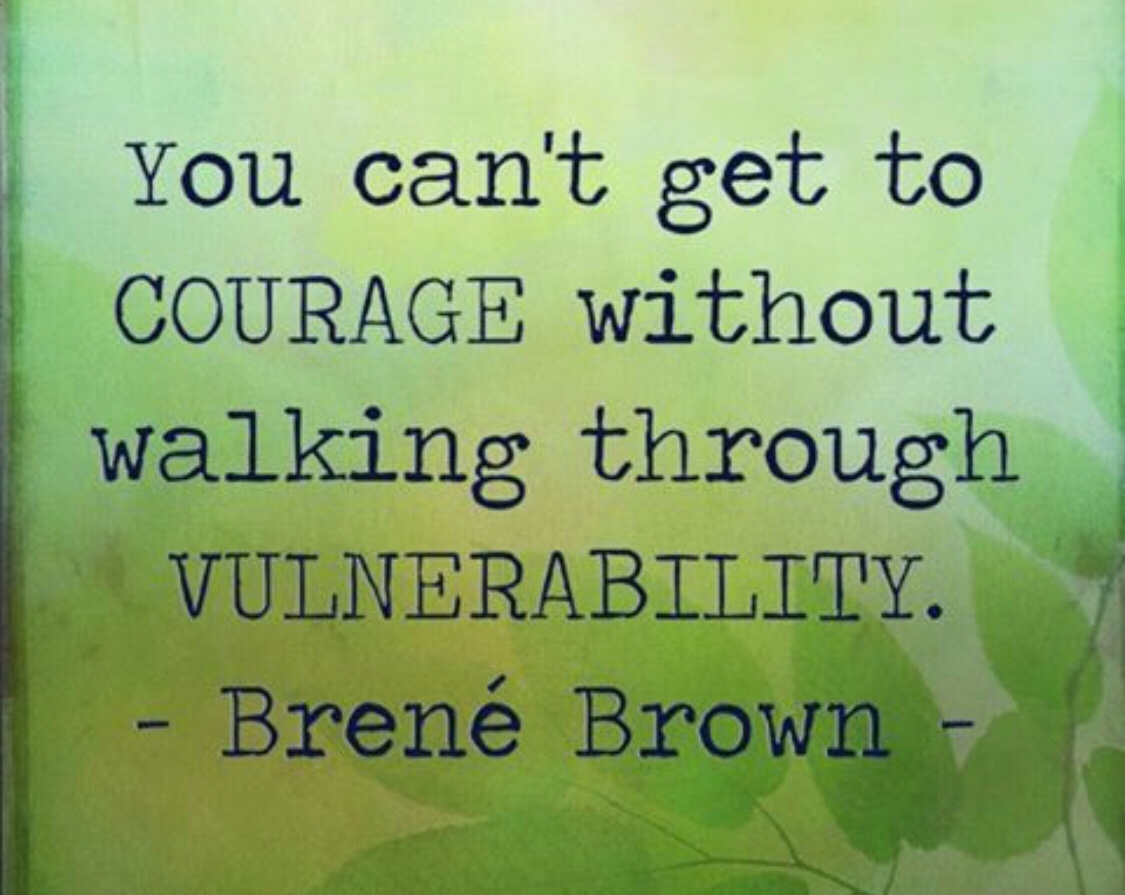
Daily Prompt: Courage

What are you most afraid of?  Is it your past? Fear of being abandoned?  Shame of what you have done?   Your family, friends, a loved one or even a sponsor can help you overcome what you fear.  If it’s keeping you your from being sober you have to face it.

What you fear the most, you have to face; find the COURAGE and face it. You already took the most courageous step, starting the recovery journey!

via Daily Prompt: Courage

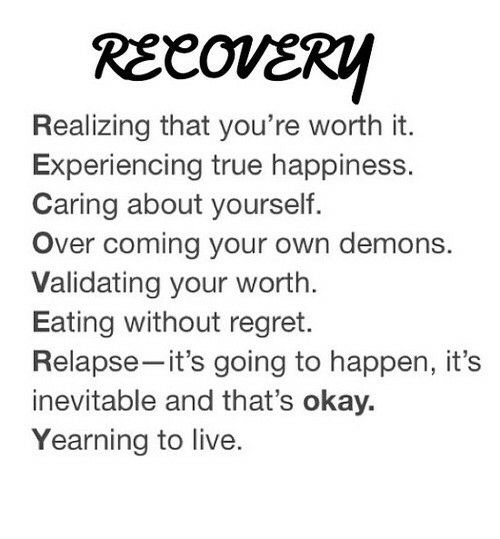
Recovery: Addiction’s Alternative

Recovery, an

Eye opening experience in which you

Compassionately

Overcome temptation while

Vigilantly

Engaging in new

Responsibility, one day at a time

You can do it. What are you waiting for?

Addiction can confiscate your mind and body. But there’s an alternative, Recovery.

Mnemonic for Recovery.