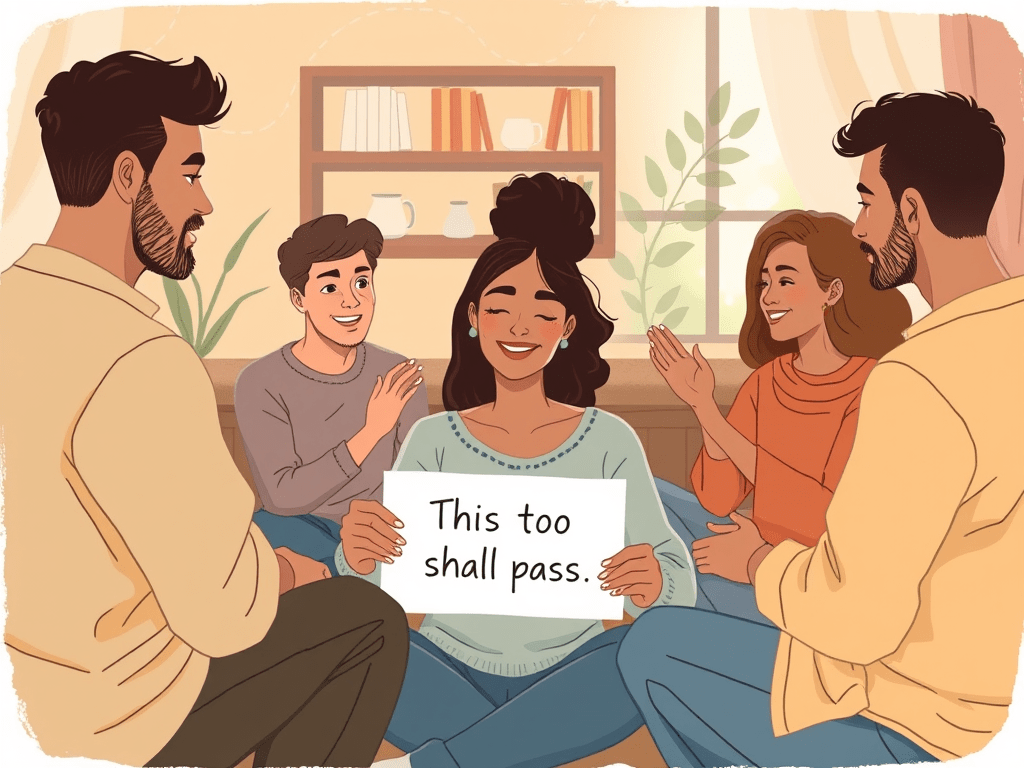
Winning in Recovery: Choosing Peace Over the Argument

When we think about the word winning, most of us picture trophies, medals, or being “right” in an argument. But in recovery from substance use, winning takes on a whole different meaning. It’s not about crushing the other person, proving a point, or forcing your way. It’s about learning to choose peace, sobriety, and your long-term well-being over temporary satisfaction.

There’s an old saying about marriage:

“You can win the argument or stay married.”

It reminds us that sometimes we get so focused on proving we’re right, that we lose sight of what really matters. The same is true in addiction recovery. You can “win” the fight, but at what cost? Your peace, your relationships, even your sobriety?

Another saying I love is this:

“Winning can come at a very high cost. The next time you feel the urge to win, ask yourself—am I chasing relief or true satisfaction?”

That question is powerful for anyone working through recovery. Let’s explore what it means.


The High Cost of “Winning”

In recovery, there will be moments when the urge to win feels strong. Maybe someone challenges your progress, doubts your sobriety, or brings up old mistakes. Your instinct might be to fight back—to defend, argue, or prove yourself.

But here’s the truth:

  • Winning the fight doesn’t always mean winning in life.
  • Arguing can feed stress, which often triggers cravings.
  • The “victory” of being right can cost you trust, peace, and progress.

Think about it—how many times has “winning” left you feeling exhausted, angry, or isolated? That’s not the kind of victory recovery is about.


Real-Life Recovery Examples

To bring this closer to home, let’s look at some common situations in recovery:

1. With Family

María, in early recovery, feels judged because her mom keeps bringing up her past mistakes. María wants to “win” the moment by saying, “Stop bringing it up, I’ve changed!” But if she yells back, she risks hurting the relationship and increasing her stress.

A true win would be pausing, taking a breath, and responding calmly. Instead of fueling the fire, she protects her peace.

2. With Friends

Pedro runs into an old friend who offers him a beer. He wants to prove how strong he is by snapping, “I don’t need that anymore. You’re the weak one.” That might feel good in the moment, but it risks alienating a friend and stirring up resentment.

The bigger win? Saying something simple like, “Thanks, but I’m staying sober—it’s important to me.” That answer keeps him safe and confident without burning bridges.

3. With a Partner

Luis’s partner doesn’t trust him when he comes home late. He wants to “win” by proving he’s clean and demanding, “You should believe me!” But this only escalates conflict.

The real victory is to show consistency, patience, and accountability over time. That’s what rebuilds trust.


Relief vs. Satisfaction

One of the biggest lessons in recovery is learning the difference between relief and satisfaction.

  • Relief is short-term. It’s snapping back in an argument, numbing feelings with substances, or “proving” yourself. It feels good for a moment but often leaves damage behind.
  • Satisfaction is long-term. It’s the peace of choosing not to fight, the pride of staying sober another day, the joy of healthy relationships.

Recovery asks us: Do you want the relief of being right, or the satisfaction of real healing?


A Simple Skill: PRE (Pause, Breathe, Choose)

In groups, I often teach a simple method to handle these moments: PRE—Pause, Breathe, Choose.

  • Pause – When you feel triggered, stop for 10 seconds.
  • Breathe – Inhale for 4 seconds, exhale for 4 seconds, repeat 3 times.
  • Choose – Ask yourself: What’s the price if I “win” this? Am I looking for relief or satisfaction?

Think of it like a traffic light:

  • Red = Stop.
  • Yellow = Think of your options.
  • Green = Act with peace and clarity.

This skill may seem small, but it can change everything. Instead of reacting impulsively, you’re making conscious choices that protect your recovery.


Your True Victories in Recovery

Let’s redefine what winning really means when it comes to recovery from substance use:

  • Staying sober one more day.
  • Walking away from a fight instead of fueling it.
  • Choosing peace over proving a point.
  • Building back trust with family and friends.
  • Sleeping well because you stayed clean.
  • Feeling proud of yourself at the end of the day.

These may not look like “wins” to the outside world, but inside recovery, they are everything.


Try This: Your “Victory Phrase”

Sometimes it helps to have a phrase you repeat when you’re tempted to fight or prove yourself. Here are a few you can use—or make your own:

  • “My victory is staying sober today.”
  • “Peace matters more than being right.”
  • “I win when I choose recovery.”
  • “True strength is calm.”

Having these words ready gives you an anchor when emotions run high.


Reflection Questions

Here are some questions to ask yourself this week:

  1. When was the last time I felt the urge to “win” an argument?
  2. What did I lose in that moment—peace, trust, sobriety?
  3. How might I handle it differently next time?
  4. What does true winning mean to me in my recovery journey?

Writing your thoughts down can help you see patterns and stay intentional.


Final Thoughts

Recovery is not about proving yourself to others—it’s about building a life that feels worth living. Every day you choose not to pick up, every time you pause instead of snapping, every time you protect your peace—that is winning.

Remember:

You can win the fight, or you can win your recovery. The choice is yours.

The next time you feel the urge to prove yourself, stop and ask: Am I looking for quick relief, or real satisfaction? Choose satisfaction. Choose peace. Choose recovery.

That is the victory that lasts.

Thanksgiving and Sobriety: A Guide to Navigating Family Gatherings

In the midst of holiday festivities, staying sober can be a tough challenge. Our Thanksgiving guide offers practical tips, from planning ahead to building support networks. Join our community in sharing your personal strategies for navigating these occasions while prioritizing your well-being. Together, we can make the holiday season a time of strength and gratitude.


Thanksgiving is a time for expressing gratitude and spending quality moments with family and friends. But for those in recovery from substance use, this holiday can be a challenging time. The abundance of alcohol and societal pressure to partake in festivities can be overwhelming. In this blog post, we’ll provide you with valuable tips on how to maintain your sobriety while enjoying the company of your loved ones during Thanksgiving.

1. Plan Ahead:

Preparation is key. Before the big day, create a plan for the holiday. Know your triggers and be mindful of the potential challenges you might face. Make a list of coping strategies and emergency contacts you can turn to if you find yourself in a difficult situation.

2. Communicate with Your Loved Ones:

Don’t be afraid to share your sobriety journey with your family and close friends. Open and honest communication is vital. Let them know about your commitment to staying sober and kindly request their support. The people who care about you will want to help you succeed.

3. Host Your Own Sober Event:

Consider hosting your own Thanksgiving gathering or bringing non-alcoholic beverages to a family gathering. Having control over the environment and the drink options can help you feel more secure in your choice to remain sober.

4. Create New Traditions:

Instead of focusing on the past and potentially triggering experiences, consider creating new traditions. Engage in activities that promote wellness and recovery, like going for a hike, playing board games, or volunteering at a local charity.

5. Have a Sober Buddy:

It can be extremely beneficial to have a sober buddy with you during Thanksgiving gatherings. Whether it’s a friend in recovery or a supportive family member, having someone by your side who understands your journey can provide a sense of security.

6. Practice Self-Care:

Thanksgiving can be emotionally charged. It’s essential to prioritize self-care during this time. This might include daily meditation, exercise, journaling, or engaging in hobbies you enjoy. A calm and centered mind is better equipped to handle potential stressors.

7. Stay Mindful:

Mindfulness techniques can help you stay focused and grounded. Be aware of your emotions and triggers and practice deep breathing and meditation to maintain your emotional balance.

8. Be Prepared for Questions:

You may encounter questions from well-meaning but unaware family members. Prepare some brief, honest responses that help you avoid unnecessary stress. It’s okay to let people know you’re in recovery without going into extensive detail.

9. Find Support:

If you have access to a support group or therapist, make sure to attend meetings or appointments before and after Thanksgiving. Connecting with others who are facing similar challenges can be a tremendous source of strength and motivation.

10. Reflect on Gratitude:

Thanksgiving is about gratitude, and it’s an excellent time to reflect on the positive aspects of your life. Keep a gratitude journal and make it a habit to write down the things you’re thankful for every day. This can help shift your focus to the positive and keep you motivated in your recovery.

Thanksgiving is a time to be thankful for the progress you’ve made on your recovery journey and to celebrate the support of your loved ones. By following these tips and staying committed to your sobriety, you can enjoy the holiday season with your family and friends, creating lasting memories without the need for substances. Remember that you are not alone, and many others are on a similar path. Embrace the holiday season with confidence and the knowledge that you have the strength to stay sober and enjoy the love and support of your family and friends.

To wrap up this post, we’d like to hear from you. What are your go-to strategies for staying sober during Thanksgiving gatherings? Do you have any personal tips or experiences you’d like to share with our community? We encourage you to leave a comment below, as your insights might provide inspiration and support for others on their journey to maintaining sobriety during the holiday season.

Haunted by Recovery? Surviving Halloween with Sobriety

Halloween can be a challenging time for those in recovery. The temptations, the triggers, and the pervasive party culture can create a spooky atmosphere for your sobriety and mental well-being. In this blog, we’ll explore strategies to help you navigate Halloween while staying focused on your recovery journey.

Halloween is a time of year that many people look forward to. The costumes, the decorations, the spooky movies, and, of course, the candy. But for those in recovery from substance use disorders or struggling with mental health issues, Halloween can be a challenging time. The holiday’s focus on parties, alcohol, and other potentially triggering situations can make it difficult to stay on the path to recovery. In this blog post, we’ll explore some strategies to help you navigate Halloween while staying sober and prioritizing your mental health.

1. Plan Ahead

Planning is essential for anyone in recovery, but it’s even more crucial during holidays like Halloween. A well-thought-out plan can help you avoid tempting situations and ensure you have the support you need. Here are some tips for planning your Halloween:

  • Choose Sober Activities: Look for events or activities that don’t revolve around alcohol or substance use. Consider attending a pumpkin patch, visiting a haunted house, or hosting a movie night with friends.
  • Stay Connected: Reach out to your support network. Let your sponsor, therapist, or friends and family know that you may need extra support during this time.
  • Create a Relapse Prevention Plan: Identify your triggers and develop a plan to manage them. This might include having a friend with you at parties, having an exit strategy, or having a list of alternative coping mechanisms.

2. Focus on Self-Care

Taking care of your mental health is crucial, especially during a holiday that can be anxiety-inducing. Here are some self-care strategies to keep in mind:

  • Prioritize Sleep: A good night’s sleep can make a world of difference in how you cope with stress and temptation. Ensure you get enough rest leading up to and following Halloween.
  • Practice Mindfulness: Mindfulness techniques, such as deep breathing or meditation, can help you stay present and calm when faced with triggers or stressful situations.
  • Exercise: Physical activity is an excellent way to reduce stress and boost your mood. Consider going for a walk, run, or engaging in a workout to release endorphins.

3. Create a Sober Support System

If you’re feeling isolated or anxious during Halloween, reach out to your support system. Here’s how to create and utilize that network:

  • Attend Sober Events: Many communities host sober Halloween events or gatherings. Attend these to connect with others who understand your journey.
  • Online Support Groups: If in-person events aren’t available, or if you’re more comfortable with online support, there are many virtual support groups and forums where you can share your experiences and find encouragement.
  • Lean on Friends and Family: Don’t hesitate to call a loved one if you’re struggling. Sometimes, a simple conversation with someone you trust can make all the difference.

4. Be Mindful of Triggers

Halloween can be full of triggers, such as being around people who are drinking or using substances, encountering old partying friends, or feeling overwhelmed by stress. Identifying these triggers and having a plan in place to manage them is key.

  • HALT: Remember the acronym HALT, which stands for Hungry, Angry, Lonely, Tired. When you’re feeling any of these emotions, you’re more vulnerable to cravings and triggers. Make sure to address your basic needs.
  • Stay Away from Risky Situations: If you know that certain parties or environments will be triggering, it’s okay to avoid them. Your sobriety and mental health should always come first.
  • Use Coping Mechanisms: Develop healthy coping mechanisms, such as journaling, talking to someone, or engaging in a creative outlet like art or music, to deal with stress and emotions.

Halloween can be a spooky time for those in recovery or dealing with mental health issues, but it doesn’t have to be a nightmare. By planning ahead, prioritizing self-care, building a strong support system, and being mindful of triggers, you can navigate this holiday successfully while staying sober and protecting your mental health. Remember, your well-being is the most important treat of all, and you’re not alone in your journey toward a healthier, happier you.