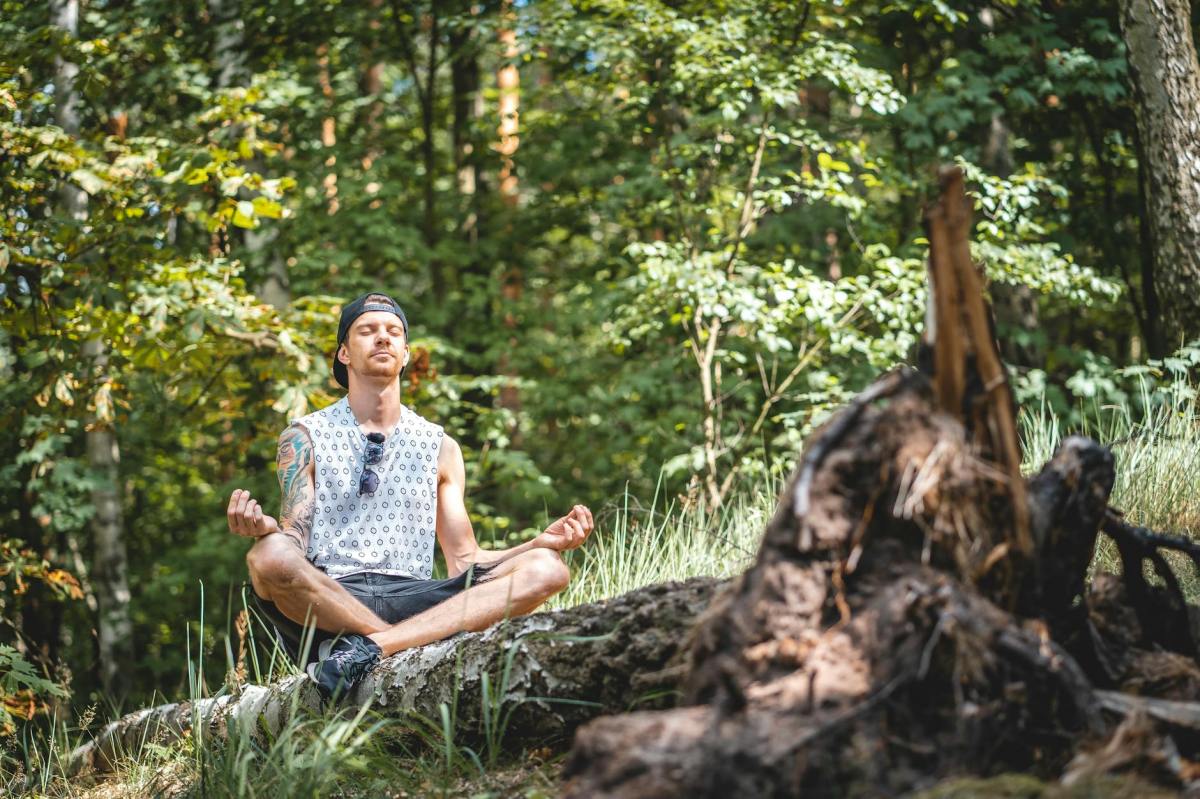
Prioritize You: How Self-Care Boosts Mental Health

Self-care is vital for maintaining mental health and overall well-being. Simple activities like regular exercise, mindfulness practices, and engaging in hobbies can make a big difference. By incorporating these self-care routines into your daily life, you can manage stress, boost your mood, and support your mental health more effectively.

Taking care of your mental health is just as important as taking care of your physical health. As a mental health counselor, I’ve seen firsthand the positive impact that self-care routines can have on well-being. Whether you’re dealing with anxiety, depression, or other mental health issues, incorporating self-care into your daily life can make a significant difference. Let’s explore some simple yet effective self-care activities like exercise, mindfulness, and hobbies that can help you maintain a positive mindset.

Why Self-Care Matters

Self-care is about taking the time to do things that help you live well and improve both your physical health and mental health. It’s about recognizing your needs and taking steps to meet them. According to the World Health Organization (WHO), self-care is crucial for maintaining good health and well-being.

Benefits of Self-Care

  1. Reduces Stress: Engaging in self-care activities can lower your stress levels. Stress is a common trigger for mental health issues, so managing it effectively is essential.
  2. Boosts Mood: Activities that you enjoy can release endorphins, the body’s natural mood elevators, which can help combat feelings of depression and anxiety.
  3. Improves Physical Health: Regular self-care can lead to better physical health, which is closely linked to mental health. For example, exercise can improve your mood and energy levels.

Self-Care Activities to Try

1. Exercise

Physical activity is one of the best ways to improve your mental health. Studies have shown that regular exercise can reduce symptoms of depression and anxiety. You don’t need to run a marathon; even a 30-minute walk can make a big difference. Here are some ideas to get you moving:

  • Walking: A daily walk can help clear your mind and boost your mood.
  • Yoga: This combines physical activity with mindfulness, helping to reduce stress and improve flexibility.
  • Dancing: Put on your favorite music and dance around your living room. It’s a fun way to get your body moving and lift your spirits.

2. Mindfulness and Meditation

Mindfulness involves focusing on the present moment and accepting it without judgment. It’s a powerful tool for managing stress and anxiety. According to the American Psychological Association, mindfulness can improve overall well-being and reduce symptoms of mental health issues. Here are some ways to practice mindfulness:

  • Meditation: Spend a few minutes each day sitting quietly and focusing on your breath. There are many apps and online resources to guide you.
  • Deep Breathing: Practice deep breathing exercises to calm your mind and body.
  • Gratitude Journaling: Each day, write down three things you’re grateful for. This can help shift your focus from negative thoughts to positive ones.

3. Hobbies and Creative Outlets

Engaging in activities you enjoy can provide a sense of accomplishment and joy. Hobbies can distract your mind from stress and provide a break from daily pressures. Consider these options:

  • Gardening: Tending to plants can be a soothing and rewarding activity.
  • Art and Craft: Drawing, painting, knitting, or any other creative activity can be therapeutic.
  • Reading: Losing yourself in a good book can be a great way to relax and escape from stress.

Making Self-Care a Habit

Incorporating self-care into your daily routine doesn’t have to be overwhelming. Start small and gradually build up. Here are some tips to help you get started:

  • Schedule It: Set aside specific times in your day for self-care activities. Treat these appointments with yourself as non-negotiable.
  • Be Kind to Yourself: Don’t be too hard on yourself if you miss a day. Self-care is about doing what you can, when you can.
  • Listen to Your Body: Pay attention to what your body and mind need. Some days you might need a vigorous workout, while other days a quiet meditation might be more beneficial.

In conclusion, taking the time to care for yourself is not a luxury; it’s a necessity. By incorporating activities like exercise, mindfulness, and hobbies into your routine, you can support your mental health and improve your overall well-being. Remember, self-care is a journey, and it’s okay to take it one step at a time. Prioritize yourself, and you’ll be better equipped to handle life’s challenges.

By focusing on self-care, you can create a foundation for better mental health. So start today, and make self-care a regular part of your life!

References

  • World Health Organization. (2020). Self-care interventions for health.
  • American Psychological Association. (2021). The benefits of mindfulness.
  • Mayo Clinic. (2021). Exercise and stress: Get moving to manage stress.

Let’s Talk Therapy: A Therapist’s Guide to Navigating Substance Use and Mental Health

Discover when to seek therapy for substance use and mental health concerns. But wait, therapy isn’t just serious talk—it’s also about creative expression, mindfulness, and goal setting! Dive into our blog to explore fun and effective evidence-based techniques that’ll make therapy a joyous adventure.

Today, we’re diving into the world of therapy, substance use, and mental health. As a mental health therapist, I’ve had the privilege of guiding individuals through some of life’s toughest challenges, and one recurring theme I encounter is the intersection of substance use and mental health.

Let’s bust some myths and explore when it’s time to seek therapy for both substance use and mental health concerns. But first, grab your favorite beverage and let’s embark on this enlightening journey together!

Understanding Substance Use and Mental Health: The Connection

Did you know that substance use and mental health often go hand in hand? Yep, it’s true! Many individuals turn to substances as a way to cope with underlying mental health issues like anxiety, depression, or trauma. However, what starts as a temporary escape can quickly spiral into a full-blown struggle.

When to Seek Therapy: Signs and Signals

So, when is it time to hit up your friendly neighborhood therapist? Here are a few signs that therapy might be beneficial:

  1. You’re Using Substances as a Crutch: If you find yourself relying on substances to get through the day or cope with emotions, it’s time to explore healthier coping strategies.
  2. Your Mental Health is Suffering: Are you experiencing persistent feelings of sadness, anxiety, or hopelessness? Therapy can help you untangle the roots of these emotions and develop strategies to manage them.
  3. Your Relationships are Strained: Substance use and mental health issues can wreak havoc on your relationships. If your friendships, family ties, or romantic partnerships are suffering, therapy can provide a safe space to work through these challenges.
  4. You’re Ready for Change: The first step toward healing is often the hardest, but if you’re ready to make positive changes in your life, therapy can provide the support and guidance you need.

Making Therapy Fun and Effective

Okay, I know what you’re thinking: therapy sounds daunting and serious. But fear not, my friends! Therapy can actually be a fun and rewarding experience. From creative exercises to insightful discussions, therapy offers a myriad of tools to help you navigate life’s ups and downs.

As therapists, we understand that the journey toward mental wellness doesn’t have to be all serious conversations and solemn reflections. In fact, integrating evidence-based techniques (EBTs) into therapy sessions can add an exciting dimension to the process, making it both engaging and fulfilling. EBTs include:

1. Creative Expression: Ever tried your hand at art therapy or journaling? These creative outlets can be incredibly therapeutic. Whether you’re painting your emotions on canvas or jotting down your thoughts in a journal, creative expression can help you process your feelings and gain valuable insights.

2. Mindfulness and Meditation: Mindfulness practices are all the rage these days, and for good reason! Incorporating mindfulness and meditation into your therapy sessions can help you cultivate present-moment awareness and develop coping skills to manage stress and cravings.

3. Role-Playing: Who says therapy has to be all talk and no action? Role-playing exercises can help you practice new behaviors and communication skills in a safe, supportive environment. Plus, it’s a fun way to step into someone else’s shoes and gain a fresh perspective on your challenges.

4. Breathwork: Ah, the power of the breath! Breathwork techniques like diaphragmatic breathing or box breathing can help you regulate your emotions and calm your nervous system. Plus, they’re easy to learn and can be practiced anywhere, anytime – talk about a handy tool to have in your mental wellness toolkit!

5. Cognitive-Behavioral Strategies: Ah, good old CBT! Cognitive-Behavioral Therapy (CBT) is a tried-and-true approach to therapy that focuses on identifying and challenging unhelpful thoughts and behaviors. By learning to reframe negative thinking patterns and adopt healthier behaviors, you can create positive change in your life.

6. Goal Setting and Tracking: Who doesn’t love a good goal-setting session? Setting achievable goals and tracking your progress can help you stay motivated and focused on your journey toward mental wellness. Plus, it’s a great way to celebrate your victories – big or small!

The Call to Action: Let’s Start Talking

Alright, folks, here’s the deal: seeking therapy is nothing to be ashamed of. In fact, it’s a courageous step toward prioritizing your mental health and well-being. So, if you or someone you know is struggling with substance use or mental health issues, don’t hesitate to reach out for help. Together, we can break the stigma surrounding therapy and create a world where mental wellness is celebrated and prioritized.

Now it’s your turn! Share your thoughts in the comments below. Have you ever sought therapy for substance use or mental health concerns? What was your experience like? Let’s keep the conversation going and support one another on our journey to mental wellness!

Remember, you’re not alone. Let’s take the first step toward healing together. 🌟 #TherapyTalks #MentalWellness #BreakTheStigma

Thanksgiving and Sobriety: A Guide to Navigating Family Gatherings

In the midst of holiday festivities, staying sober can be a tough challenge. Our Thanksgiving guide offers practical tips, from planning ahead to building support networks. Join our community in sharing your personal strategies for navigating these occasions while prioritizing your well-being. Together, we can make the holiday season a time of strength and gratitude.


Thanksgiving is a time for expressing gratitude and spending quality moments with family and friends. But for those in recovery from substance use, this holiday can be a challenging time. The abundance of alcohol and societal pressure to partake in festivities can be overwhelming. In this blog post, we’ll provide you with valuable tips on how to maintain your sobriety while enjoying the company of your loved ones during Thanksgiving.

1. Plan Ahead:

Preparation is key. Before the big day, create a plan for the holiday. Know your triggers and be mindful of the potential challenges you might face. Make a list of coping strategies and emergency contacts you can turn to if you find yourself in a difficult situation.

2. Communicate with Your Loved Ones:

Don’t be afraid to share your sobriety journey with your family and close friends. Open and honest communication is vital. Let them know about your commitment to staying sober and kindly request their support. The people who care about you will want to help you succeed.

3. Host Your Own Sober Event:

Consider hosting your own Thanksgiving gathering or bringing non-alcoholic beverages to a family gathering. Having control over the environment and the drink options can help you feel more secure in your choice to remain sober.

4. Create New Traditions:

Instead of focusing on the past and potentially triggering experiences, consider creating new traditions. Engage in activities that promote wellness and recovery, like going for a hike, playing board games, or volunteering at a local charity.

5. Have a Sober Buddy:

It can be extremely beneficial to have a sober buddy with you during Thanksgiving gatherings. Whether it’s a friend in recovery or a supportive family member, having someone by your side who understands your journey can provide a sense of security.

6. Practice Self-Care:

Thanksgiving can be emotionally charged. It’s essential to prioritize self-care during this time. This might include daily meditation, exercise, journaling, or engaging in hobbies you enjoy. A calm and centered mind is better equipped to handle potential stressors.

7. Stay Mindful:

Mindfulness techniques can help you stay focused and grounded. Be aware of your emotions and triggers and practice deep breathing and meditation to maintain your emotional balance.

8. Be Prepared for Questions:

You may encounter questions from well-meaning but unaware family members. Prepare some brief, honest responses that help you avoid unnecessary stress. It’s okay to let people know you’re in recovery without going into extensive detail.

9. Find Support:

If you have access to a support group or therapist, make sure to attend meetings or appointments before and after Thanksgiving. Connecting with others who are facing similar challenges can be a tremendous source of strength and motivation.

10. Reflect on Gratitude:

Thanksgiving is about gratitude, and it’s an excellent time to reflect on the positive aspects of your life. Keep a gratitude journal and make it a habit to write down the things you’re thankful for every day. This can help shift your focus to the positive and keep you motivated in your recovery.

Thanksgiving is a time to be thankful for the progress you’ve made on your recovery journey and to celebrate the support of your loved ones. By following these tips and staying committed to your sobriety, you can enjoy the holiday season with your family and friends, creating lasting memories without the need for substances. Remember that you are not alone, and many others are on a similar path. Embrace the holiday season with confidence and the knowledge that you have the strength to stay sober and enjoy the love and support of your family and friends.

To wrap up this post, we’d like to hear from you. What are your go-to strategies for staying sober during Thanksgiving gatherings? Do you have any personal tips or experiences you’d like to share with our community? We encourage you to leave a comment below, as your insights might provide inspiration and support for others on their journey to maintaining sobriety during the holiday season.

Reuniting with Family and Making Amends: A November Journey to Healing

In the crisp embrace of November, we’re reminded of the beauty of change and renewal. This month invites us to mend fractured bonds, reconcile with family, and find healing in gratitude. Embrace the power of this season to embark on a journey of self-discovery and connection. How has November inspired your healing journey? 💕🍁

As November sweeps in with its cool winds and vibrant hues, it brings with it the opportunity to reflect on our relationships and embark on a journey of healing and reconciliation. For those who have struggled with mental health and substance use, this month can serve as a powerful catalyst for reconnecting with loved ones and making amends. In this blog post, we will explore the importance of reuniting with family, making amends, and the healing power of November.

The Season of Gratitude and Reflection: November, often associated with Thanksgiving, encourages us to express gratitude for the blessings in our lives. It’s also an ideal time to reflect on our relationships, acknowledging the importance of family and close friends. For those whose mental health and substance use challenges have strained these bonds, November offers an opportunity to start rebuilding what was once lost.

The Power of Connection: Reuniting with family members and loved ones is a vital step in the recovery process. Isolation and estrangement can exacerbate mental health issues and substance use disorders. By reaching out and mending these relationships, individuals can begin to rebuild their support systems.

Making Amends: Making amends is a significant part of the recovery process. This involves acknowledging past mistakes, taking responsibility for them, and making sincere efforts to right those wrongs. Whether it’s through a heartfelt conversation or a written letter, taking the initiative to make amends can lead to closure, forgiveness, and a renewed sense of self.

November as a Symbol of Hope: The autumnal beauty of November is symbolic of transformation and change. Just as the leaves shed their old selves to make way for new growth in the spring, so too can individuals shed their past mistakes and foster personal growth during this month. It’s a season to embrace the opportunity for change and healing.

The Healing Power of November: The cool, crisp air and the falling leaves can be a reminder that change is a natural and necessary part of life. This November, consider taking the first step in reuniting with family, mending relationships, and finding solace and healing in the embrace of loved ones.

How will you use the month of November as a time for reconciliation and healing in your journey of mental health and substance use recovery? Share your experiences and insights in the comments below, and let’s support one another in this transformative season of change. 💕🍁 #NovemberHealing #RecoveryJourney #FamilyReunion

Haunted by Recovery? Surviving Halloween with Sobriety

Halloween can be a challenging time for those in recovery. The temptations, the triggers, and the pervasive party culture can create a spooky atmosphere for your sobriety and mental well-being. In this blog, we’ll explore strategies to help you navigate Halloween while staying focused on your recovery journey.

Halloween is a time of year that many people look forward to. The costumes, the decorations, the spooky movies, and, of course, the candy. But for those in recovery from substance use disorders or struggling with mental health issues, Halloween can be a challenging time. The holiday’s focus on parties, alcohol, and other potentially triggering situations can make it difficult to stay on the path to recovery. In this blog post, we’ll explore some strategies to help you navigate Halloween while staying sober and prioritizing your mental health.

1. Plan Ahead

Planning is essential for anyone in recovery, but it’s even more crucial during holidays like Halloween. A well-thought-out plan can help you avoid tempting situations and ensure you have the support you need. Here are some tips for planning your Halloween:

  • Choose Sober Activities: Look for events or activities that don’t revolve around alcohol or substance use. Consider attending a pumpkin patch, visiting a haunted house, or hosting a movie night with friends.
  • Stay Connected: Reach out to your support network. Let your sponsor, therapist, or friends and family know that you may need extra support during this time.
  • Create a Relapse Prevention Plan: Identify your triggers and develop a plan to manage them. This might include having a friend with you at parties, having an exit strategy, or having a list of alternative coping mechanisms.

2. Focus on Self-Care

Taking care of your mental health is crucial, especially during a holiday that can be anxiety-inducing. Here are some self-care strategies to keep in mind:

  • Prioritize Sleep: A good night’s sleep can make a world of difference in how you cope with stress and temptation. Ensure you get enough rest leading up to and following Halloween.
  • Practice Mindfulness: Mindfulness techniques, such as deep breathing or meditation, can help you stay present and calm when faced with triggers or stressful situations.
  • Exercise: Physical activity is an excellent way to reduce stress and boost your mood. Consider going for a walk, run, or engaging in a workout to release endorphins.

3. Create a Sober Support System

If you’re feeling isolated or anxious during Halloween, reach out to your support system. Here’s how to create and utilize that network:

  • Attend Sober Events: Many communities host sober Halloween events or gatherings. Attend these to connect with others who understand your journey.
  • Online Support Groups: If in-person events aren’t available, or if you’re more comfortable with online support, there are many virtual support groups and forums where you can share your experiences and find encouragement.
  • Lean on Friends and Family: Don’t hesitate to call a loved one if you’re struggling. Sometimes, a simple conversation with someone you trust can make all the difference.

4. Be Mindful of Triggers

Halloween can be full of triggers, such as being around people who are drinking or using substances, encountering old partying friends, or feeling overwhelmed by stress. Identifying these triggers and having a plan in place to manage them is key.

  • HALT: Remember the acronym HALT, which stands for Hungry, Angry, Lonely, Tired. When you’re feeling any of these emotions, you’re more vulnerable to cravings and triggers. Make sure to address your basic needs.
  • Stay Away from Risky Situations: If you know that certain parties or environments will be triggering, it’s okay to avoid them. Your sobriety and mental health should always come first.
  • Use Coping Mechanisms: Develop healthy coping mechanisms, such as journaling, talking to someone, or engaging in a creative outlet like art or music, to deal with stress and emotions.

Halloween can be a spooky time for those in recovery or dealing with mental health issues, but it doesn’t have to be a nightmare. By planning ahead, prioritizing self-care, building a strong support system, and being mindful of triggers, you can navigate this holiday successfully while staying sober and protecting your mental health. Remember, your well-being is the most important treat of all, and you’re not alone in your journey toward a healthier, happier you.

Overcoming Addiction: Embrace the Journey to Recovery!

As therapists, we understand the immense challenges and triumphs that come with the journey of substance use recovery. Today, we want to extend our support, encouragement, and guidance to all those who are bravely walking this path. Remember, you are not alone!

Recovery is a unique journey for each individual, but it’s a journey that’s worth it. Here are some important insights and reminders to help you along the way:

1️⃣ Celebrate Every Step: Recovery is a series of small victories. Embrace each milestone, no matter how small, and acknowledge the progress you’re making. You’re taking control of your life, and that is an incredible achievement!

2️⃣ Seek Support: Remember, seeking help is a sign of strength, not weakness. Surround yourself with a supportive network, including therapists, support groups, and friends who understand your journey. They can offer guidance, empathy, and motivation when you need it most.

3️⃣ Engage in Self-Care: Prioritize your well-being during recovery. Engage in activities that bring you joy, reduce stress, and promote self-discovery. Nurturing your physical, emotional, and mental health is crucial for long-term recovery. Self-Care is vital!

4️⃣ Be Kind to Yourself: Recovery can be challenging, and setbacks may occur. Remember to be patient and compassionate with yourself. Celebrate progress and learn from any setbacks or relapses, using them as opportunities for growth and resilience.

5️⃣ Practice Healthy Coping Skills: Discover alternative ways to manage stress and emotions, such as exercise, meditation, creative outlets, or hobbies. Find activities that help you find peace, purpose, and fulfillment without resorting to substance use.

6️⃣ Establish Boundaries: Surround yourself with a positive environment that supports your recovery. Set clear boundaries with individuals who may hinder your progress or trigger old habits. Your well-being is paramount, and you deserve a safe and supportive space.

7️⃣ Never Lose Hope: Recovery is a journey with ups and downs. Remember that setbacks are not failures; they are stepping stones to a stronger, more resilient you. Stay hopeful, keep pushing forward, and believe in your ability to overcome.

💙 If you or someone you know is struggling with substance use, reach out for a confidential conversation, and together, we can create a personalized plan to help you navigate the path to recovery.💙

Remember, every step forward is a step toward a brighter future. You are capable, resilient, and deserving of a life filled with joy, purpose, and well-being. I am proud of you for embarking on this courageous journey!