
How Therapy Really Works: What to Expect, How It Helps, and Why You Deserve It

Let’s talk about therapy again—because if the last post helped you see that therapy isn’t just for people in crisis, this one will help you take the next step: understanding how it actually works and how it can transform your life, even when things don’t feel “bad enough.”

Whether you’re dealing with anxiety, grief, relationship stress, or substance use, therapy isn’t about fixing what’s broken. It’s about understanding your story, your patterns, and your power to create change.


Therapy Is a Relationship, Not a Fix

At its core, therapy is a relationship between you and your therapist—a space where you’re safe to say things you’ve never said out loud, ask questions you’re afraid to ask, and hear yourself think without being judged.

You’re not being lectured or given advice. You’re being heard, guided, and sometimes challenged gently to grow.

Think of your therapist like a hiking guide—not climbing the mountain for you, but walking beside you, helping you read the map and avoid the cliffs.


What Actually Happens in a Session?

Each therapist has a style, but here’s what a typical session might include:

  • Check-in: How have you been feeling since the last session? Any wins or hard moments?
  • Processing: You’ll explore thoughts, emotions, or memories in a safe space. This may involve talking through a tough conversation or sitting with a difficult feeling.
  • Insight-building: Your therapist may help you notice patterns in your thoughts or behaviors that you didn’t realize were there.
  • Skill-building: You might learn tools to manage anxiety, improve communication, or handle cravings.
  • Action steps: You’ll often leave with something to reflect on or try during the week.

🧠 Therapy isn’t just venting—it’s intentional, guided, and builds momentum over time.


Let’s Talk About CBT (Cognitive Behavioral Therapy)

One of the most commonly used approaches is CBT (Cognitive Behavioral Therapy)—and no, it’s not just a buzzword.

CBT helps you identify how your thoughts, feelings, and behaviors are connected.

Here’s a super simple example:

  • Thought: “I always mess up, so why bother trying?”
  • Feeling: Hopeless, anxious
  • Behavior: You avoid applying for a job or talking to someone new

CBT helps you challenge the thought and replace it with something more helpful:

  • New thought: “I’ve made mistakes, but I’ve also learned a lot. I can try again.”
  • Feeling: Hopeful, more confident
  • Behavior: You take a step forward

💡 CBT gives you tools to rewire your brain, and research shows it’s incredibly effective for anxiety, depression, trauma, and substance use disorders.


What If I Don’t Know Where to Start?

You don’t need to have it all figured out.

Some clients walk into therapy saying, “I don’t know what I need, but I know I need something.” That’s a perfectly fine place to start. In fact, it’s common.

Your therapist might begin by asking:

  • What brought you here today?
  • What’s one area of life you wish felt better?
  • What do you want to understand about yourself?

You’ll set goals together, and those goals can evolve as you grow.


Therapy and Substance Use: Getting to the Root

If you’re in recovery or struggling with substance use, therapy helps you explore the why behind the cravings or behavior.

Instead of focusing just on stopping the behavior, therapy asks:

  • What are you trying to cope with?
  • What does the substance do for you?
  • What are healthier ways to meet those needs?

You may not stop overnight—but therapy offers compassionate accountability. It’s about helping you build a life you don’t want to escape from.


An Example from the Couch

Let’s say Daniel, a 34-year-old father of two, started therapy because he “just felt off.” He said he was tired all the time, didn’t have patience for his kids, and had started drinking more at night to unwind.

In therapy, Daniel realized he had been holding in grief from losing his dad two years ago. He also noticed that when he felt inadequate as a parent, he reached for alcohol.

Through CBT, Daniel learned to recognize his self-critical thoughts and replace them with more compassionate ones. He also started journaling, attending a support group, and setting boundaries around his drinking. Over time, his relationship with his kids improved—and so did his self-respect.

“Therapy didn’t change everything overnight,” he said, “but it gave me my power back.”


What If I’ve Had a Bad Experience in Therapy?

That’s valid. Not every therapist is the right fit, and not every approach works for every person.

But one bad experience doesn’t mean therapy can’t work for you. It might just mean:

  • You need a therapist with a different style
  • You weren’t ready at the time
  • The goals weren’t clearly defined

🌱 Therapy is a process, and finding the right therapist can make all the difference. (Think of it like dating—you may need to try a few before finding “your person.”)


Therapy Is a Tool, Not a Label

Therapy doesn’t mean you’re broken. It means you’re brave enough to want more—for yourself, your relationships, and your future.

📊 According to the American Psychological Association:

  • 75% of people who enter therapy show some benefit
  • People who engage consistently experience greater emotional resilience and improved relationships

So if you’re wondering if therapy is worth it—the data, and millions of stories, say yes.


Ready to Take the First Step?

You don’t need a diagnosis. You don’t need to be in crisis. You don’t need to have the right words.

You just need a willingness to show up for yourself.

Therapy is your time, your story, and your journey. And you don’t have to do it alone.


💬 Tell Me: What’s Stopped You from Trying Therapy in the Past?

Leave a comment below and let’s normalize the conversation together.

🧠💛 You’re not broken. You’re growing. And therapy can help.
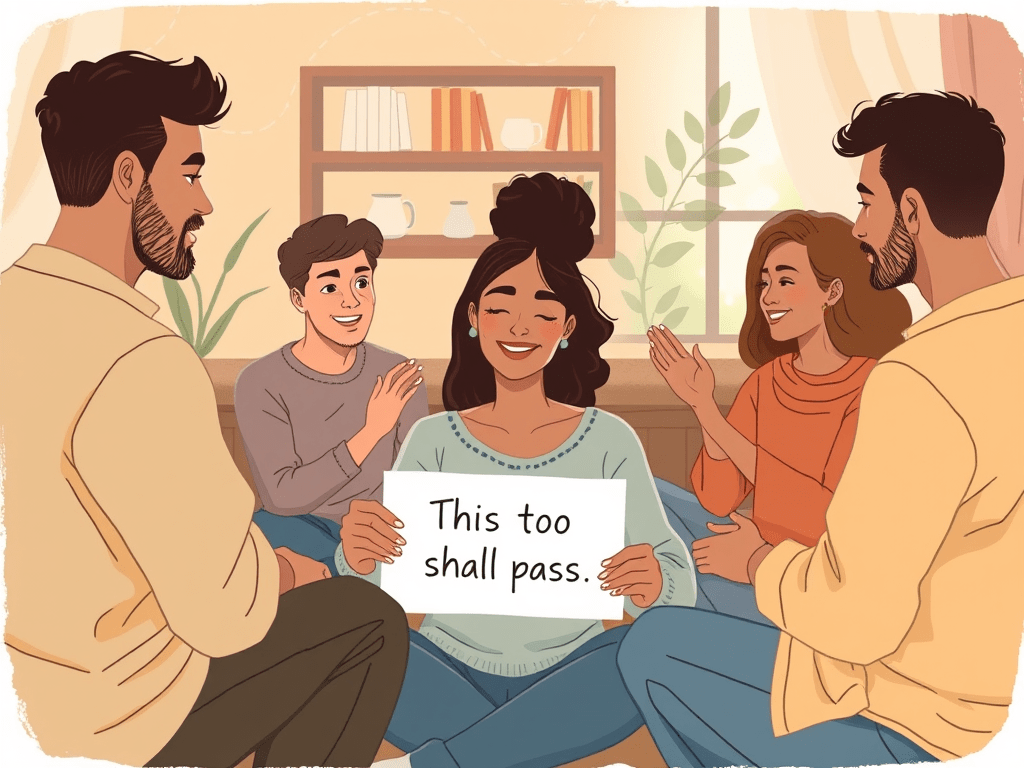
Winning in Recovery: Choosing Peace Over the Argument

When we think about the word winning, most of us picture trophies, medals, or being “right” in an argument. But in recovery from substance use, winning takes on a whole different meaning. It’s not about crushing the other person, proving a point, or forcing your way. It’s about learning to choose peace, sobriety, and your long-term well-being over temporary satisfaction.

There’s an old saying about marriage:

“You can win the argument or stay married.”

It reminds us that sometimes we get so focused on proving we’re right, that we lose sight of what really matters. The same is true in addiction recovery. You can “win” the fight, but at what cost? Your peace, your relationships, even your sobriety?

Another saying I love is this:

“Winning can come at a very high cost. The next time you feel the urge to win, ask yourself—am I chasing relief or true satisfaction?”

That question is powerful for anyone working through recovery. Let’s explore what it means.


The High Cost of “Winning”

In recovery, there will be moments when the urge to win feels strong. Maybe someone challenges your progress, doubts your sobriety, or brings up old mistakes. Your instinct might be to fight back—to defend, argue, or prove yourself.

But here’s the truth:

  • Winning the fight doesn’t always mean winning in life.
  • Arguing can feed stress, which often triggers cravings.
  • The “victory” of being right can cost you trust, peace, and progress.

Think about it—how many times has “winning” left you feeling exhausted, angry, or isolated? That’s not the kind of victory recovery is about.


Real-Life Recovery Examples

To bring this closer to home, let’s look at some common situations in recovery:

1. With Family

María, in early recovery, feels judged because her mom keeps bringing up her past mistakes. María wants to “win” the moment by saying, “Stop bringing it up, I’ve changed!” But if she yells back, she risks hurting the relationship and increasing her stress.

A true win would be pausing, taking a breath, and responding calmly. Instead of fueling the fire, she protects her peace.

2. With Friends

Pedro runs into an old friend who offers him a beer. He wants to prove how strong he is by snapping, “I don’t need that anymore. You’re the weak one.” That might feel good in the moment, but it risks alienating a friend and stirring up resentment.

The bigger win? Saying something simple like, “Thanks, but I’m staying sober—it’s important to me.” That answer keeps him safe and confident without burning bridges.

3. With a Partner

Luis’s partner doesn’t trust him when he comes home late. He wants to “win” by proving he’s clean and demanding, “You should believe me!” But this only escalates conflict.

The real victory is to show consistency, patience, and accountability over time. That’s what rebuilds trust.


Relief vs. Satisfaction

One of the biggest lessons in recovery is learning the difference between relief and satisfaction.

  • Relief is short-term. It’s snapping back in an argument, numbing feelings with substances, or “proving” yourself. It feels good for a moment but often leaves damage behind.
  • Satisfaction is long-term. It’s the peace of choosing not to fight, the pride of staying sober another day, the joy of healthy relationships.

Recovery asks us: Do you want the relief of being right, or the satisfaction of real healing?


A Simple Skill: PRE (Pause, Breathe, Choose)

In groups, I often teach a simple method to handle these moments: PRE—Pause, Breathe, Choose.

  • Pause – When you feel triggered, stop for 10 seconds.
  • Breathe – Inhale for 4 seconds, exhale for 4 seconds, repeat 3 times.
  • Choose – Ask yourself: What’s the price if I “win” this? Am I looking for relief or satisfaction?

Think of it like a traffic light:

  • Red = Stop.
  • Yellow = Think of your options.
  • Green = Act with peace and clarity.

This skill may seem small, but it can change everything. Instead of reacting impulsively, you’re making conscious choices that protect your recovery.


Your True Victories in Recovery

Let’s redefine what winning really means when it comes to recovery from substance use:

  • Staying sober one more day.
  • Walking away from a fight instead of fueling it.
  • Choosing peace over proving a point.
  • Building back trust with family and friends.
  • Sleeping well because you stayed clean.
  • Feeling proud of yourself at the end of the day.

These may not look like “wins” to the outside world, but inside recovery, they are everything.


Try This: Your “Victory Phrase”

Sometimes it helps to have a phrase you repeat when you’re tempted to fight or prove yourself. Here are a few you can use—or make your own:

  • “My victory is staying sober today.”
  • “Peace matters more than being right.”
  • “I win when I choose recovery.”
  • “True strength is calm.”

Having these words ready gives you an anchor when emotions run high.


Reflection Questions

Here are some questions to ask yourself this week:

  1. When was the last time I felt the urge to “win” an argument?
  2. What did I lose in that moment—peace, trust, sobriety?
  3. How might I handle it differently next time?
  4. What does true winning mean to me in my recovery journey?

Writing your thoughts down can help you see patterns and stay intentional.


Final Thoughts

Recovery is not about proving yourself to others—it’s about building a life that feels worth living. Every day you choose not to pick up, every time you pause instead of snapping, every time you protect your peace—that is winning.

Remember:

You can win the fight, or you can win your recovery. The choice is yours.

The next time you feel the urge to prove yourself, stop and ask: Am I looking for quick relief, or real satisfaction? Choose satisfaction. Choose peace. Choose recovery.

That is the victory that lasts.

The Power of Purpose in Addiction Recovery: How Finding Meaning Helps You Stay Clean

Having a sense of purpose is vital in addiction recovery, providing motivation and direction. Research shows that strong purpose reduces cravings, boosts resilience, and improves mental health. Real-life examples demonstrate how engaging in meaningful activities can foster recovery. Even small steps toward purpose can significantly impact one’s journey toward healing.

Introduction: Why Purpose Can Change Everything in Recovery

When you’re battling addiction, life can feel meaningless. Days blur. Motivation disappears. And recovery can seem like a mountain too high to climb. But one of the most important—and often overlooked—parts of staying clean is having something bigger to live for: a sense of purpose.

Whether it’s rebuilding relationships, helping others, or rediscovering a forgotten passion, purpose gives direction to your recovery journey. And it just might be the thing that keeps you from falling back into old habits.


What the Research Says About Purpose and Recovery

Scientists and addiction specialists agree: purpose isn’t just a nice idea—it’s a powerful protective factor against relapse.

  • A 2017 study in the Journal of Positive Psychology found that people with a strong sense of purpose were more resilient in addiction recovery and less likely to relapse.
  • According to the National Institute on Drug Abuse (NIDA), successful recovery involves creating “meaningful daily activities,” like working, volunteering, or pursuing goals.
  • A 2021 study published in Substance Abuse Treatment, Prevention, and Policy revealed that individuals with purpose reported fewer cravings and better mental health outcomes.

Michael’s Story: Purpose in Action

Michael, a 32-year-old in Miami, had tried to get clean multiple times. He often said, “What’s the point?” During a therapy session, he reflected on his love for working with cars—a passion he had ignored for years.

With encouragement, he started volunteering at a local mechanic shop. That simple step turned into something more. He reconnected with old friends, felt useful, and enrolled in a certification course.

Today, he’s clean, working part-time, and rebuilding his life. His words? “I’m not just staying sober—I’m working toward something.”


How Purpose Helps You Stay Clean

1. Reduces Cravings:
Focusing on meaningful goals helps reduce idle time and negative thinking, two major relapse triggers.

2. Boosts Natural Motivation:
Feeling useful activates brain pathways that release dopamine—the same neurotransmitter many substances hijack.

3. Increases Resilience:
Purpose gives you a reason to keep going even when recovery gets tough.

4. Improves Mental Health:
People with purpose report lower levels of anxiety, depression, and hopelessness.


What If You Don’t Know Your Purpose Yet?

That’s okay. Many people in early recovery feel lost. You’ve removed something (drugs or alcohol), but haven’t yet replaced it. Here’s where to start:

🔍 Try These 4 Steps:

  1. Think back – What made you feel alive before addiction?
  2. Explore something new – Try a class, art, community project.
  3. Talk it out – A therapist or peer can help you identify strengths.
  4. Start small – Purpose doesn’t have to be huge. Even walking your dog, showing up to a meeting, or helping a neighbor can spark meaning.

Examples of Purpose in Recovery

Every person’s path is different. Here are real examples of what purpose looks like in the lives of people in recovery:

  • Rebuilding family trust after years of damage
  • Volunteering at a food pantry
  • Speaking at a recovery group
  • Going back to school
  • Mentoring others in sobriety
  • Taking care of a pet or elderly parent
  • Creating music, art, or writing
  • Pursuing spiritual growth or mindfulness

Purpose Is Protection

Let’s be real: recovery is hard. It’s full of ups and downs. But having a reason to wake up every day—a reason that feels bigger than your cravings—is one of the best defenses against relapse.

When you’re grounded in purpose, you’re not just surviving—you’re healing.


Your Life Has Value—Even If You’re Still Figuring Things Out

Don’t wait until you have everything “together” to start searching for purpose. You deserve meaning in your life right now, even in your messiest chapter.

Start with curiosity. Ask yourself:
👉 What matters to me—deep down?
👉 Who do I want to be when I look back at this time in my life?
👉 What do I want to build?


💬 Let’s Talk: What Gives You Purpose in Recovery?

Have you found a sense of purpose in your journey with addiction?
What small step helped you discover it?

Leave a comment below—your words could inspire someone who really needs it right now. If you’re still figuring it out, tell us where you’re starting. We’re in this together.

The Disheartening Cuts to LGBTQ+ Mental Health & Substance Use Support

As a Licensed Mental Health Counselor (LMHC) based in Miami, FL, and an active advocate for the LGBTQ+ community, I write with deep concern about recent cuts to statewide and federal services that are disproportionately affecting LGBTQ+ Floridians—especially those in Miami-Dade County. These reductions are not abstract policy shifts; they have visible consequences on mental health and substance use outcomes among those I serve every day.

Ending of LGBTQ‑Specific 988 Hotline Services

The 988 line was a landmark development in mental health support. Anyone in crisis could dial or text 988 to reach trained counselors. Within that system, one could “Press 3” (or text “PRIDE”) to connect directly with LGBTQ+‑specialized listeners—people with lived experience and specialized training The Trevor Project.

Since its pilot in late 2022, this service answered more than 1.3 million contacts from LGBTQ+ youth, with approximately 70,000 calls per month in recent months NAMI+3The Trevor Project+3KFF Health News+3. Nearly half of those contacts were routed through The Trevor Project, which handled around 231,000 crisis interactions in 2024 alone .

However, on July 17, 2025, the LGBTQ+‑specific option (“Press 3” or texting “PRIDE”) on the national 988 Suicide & Crisis Hotline was discontinued. That specialized lifeline connected LGBTQ+ youth with peer-trained counselors—a critical resource that handled over 1.2 million youth contacts since its launch in 2022 Catalyst Miami+2Orlando Weekly+2Florida Policy Institute+2Spectrum News 13.

In Florida—including Miami—this service was a cornerstone of immediate, affirming crisis support. Local organizations such as Zebra Coalition reported that federal cuts jeopardized their ability to train and fund crisis staff, even as demand grew . Youth and families I work with describe that loss as “devastating,” especially in areas where local affirming alternatives are already underfunded.

Why This Matters: Elevated Risks Among LGBTQ+ Youth

Research consistently shows that LGBTQ+ youth face mental health challenges at significantly higher rates than their peers. According to surveys by The Trevor Project, ~40% of LGBTQ+ youth seriously considered suicide in 2023; nearly 10% attempted it . They are also more likely to experience depression, anxiety, and misuse substances—often due to stigma, rejection, or trauma.

Specialized peer‑centered support can make a life‑saving difference. A counselor who understands LGBTQ+ experiences—identity rejection, coming out, or navigating societal pressures—can provide validation that general crisis counselors may lack. This cultural competency builds trust and encourages help‑seeking behaviors.

LGBTQ+ youth are also more likely to self-medicate through drugs or alcohol when struggling with mental health. Without access to affirming, trained listeners, crises can escalate: turning to substances, withdrawing from supports, or contemplating self‑harm.

Substance Use: A Critical Intersection with Mental Health

Clinically, we often see that mental health challenges and substance use are two sides of the same coin. For LGBTQ+ individuals—particularly youth—rates of substance misuse (including alcohol, nicotine, and illicit drugs) are consistently higher due to minority stress: the chronic pressure from societal discrimination and internalized stigma .

Tailored crisis counseling can interrupt this harmful cycle. A therapist who is affirming can address mental health distress directly, reducing the need to self-soothe with substances. Removing these supports undercuts a prevention strategy grounded in lived experience and trust.

Medicaid-Based Gender‑Affirming Care Bans and Barriers

Florida’s Medicaid program has been under attack:

  • Since August 21, 2022, the Florida Agency for Health Care Administration (AHCA) enacted rules banning Medicaid coverage for puberty blockers, hormone therapy, and gender-affirming surgeries for both minors and adults AP News+9Politico+9AP News+9.
  • A federal court in June 2023 ruled that ban unconstitutional—but Florida continues to impose onerous regulations such as mandatory suicide‑risk screenings, written informed consent, and psychiatric comorbidity exclusions, which effectively limit access .
  • These restrictions impact more than 9,000 Medicaid-funded transgender Floridians .

For many LGBTQ+ residents of Miami, especially low-income transgender individuals, this translates to abrupt treatment disruptions, escalating mental health distress, and increased risk for self-medication or relapse.

Withdrawal of Local LGBTQ+ Service Funding

Local nonprofits in Miami-Dade and Central Florida are losing vital resources:

  • Organizations like Zebra Coalition in Orlando and others anticipated $750,000 in state support to expand housing for at-risk youth—funding later vetoed by the governor FOX 35 Orlando.
  • In Orlando, the LGBT+ Center began a fundraiser (“Journey Forward”) to offset federal and state cutbacks that threaten free mental health counseling, HIV testing, and support programs—services also essential to Miami’s community Orlando Weekly+3Spectrum News 13+3.
  • Miami-based Pridelines, which provides mental health counseling, housing case management, healthcare access, and substance use support across Miami-Dade, now faces increased strain as public funding dries up Wikipedia.

These organizations are lifelines for many LGBTQ+ individuals, especially youth and low-income residents who rely on free or sliding-scale services.


Why These Cuts Matter for Mental Health & Substance Use

Elevated Baseline Risks

LGBTQ+ individuals—especially youth—experience:

  • Higher rates of depression, anxiety, suicidal ideation, and attempts. In 2023, nearly 40% of LGBTQ+ youth seriously considered suicide .
  • Increased likelihood of substance misuse as a coping strategy for minority stress, stigma, and identity-related trauma.

Loss of Trusted, Identity-Affirming Supports

Specialized crisis lines and affirming providers make a difference:

  • LGBTQ+ youth feel heard, seen, and validated—factors essential to mental wellness.
  • Removing these services pushes young people toward crisis points where substance use may escalate.

Healthcare Disruptions Exacerbate Distress

Interrupted access to gender-affirming care often triggers psychiatric crises:

  • Trans clients report abrupt hormone therapy cessation due to insurance refusals.
  • Forced delays or complex approval processes increase stress, dysphoria, and feelings of helplessness—sometimes leading to substance misuse to cope.

The Miami Perspective: Real Impacts in Real Communities

Miami-Dade’s LGBTQ+ population is diverse, vibrant—and vulnerable. Many youth without supportive home environments rely on community centers and crisis lines to access safe, affirming care.

Organizations like Pridelines offer comprehensive wraparound services: mental health counseling, meals, housing support, PrEP/PEP/ARV access, and substance use outreach. But with cuts to federal crisis funding, these providers struggle to maintain staff training, clinical capacity, and 24/7 responsiveness.

In therapy, I have encountered teens who felt abandoned when crisis supports disappeared, and families who can no longer afford hormone therapy or supportive medications. The result: increased isolation, elevated hopelessness, and in some cases, substance misuse as self-medication.


My Ethical Commitment: Nonmaleficence, Competence, & Justice

As a licensed clinician, my responsibility is clear:

  • Nonmaleficence: Not allowing systemic cuts to harm vulnerable populations.
  • Competence: Providing culturally informed, identity-respecting care.
  • Social justice: Ensuring equitable access to mental health and substance use treatment.

To LGBTQ+ survivors and community members: you are seen, you are worthy, and you deserve care that honors who you are. While the loss of specialized federal crisis services is painful, we are not powerless. Clinicians, community leaders, advocates, and allies are stepping up to fill the gap—with empathy, commitment, and fierce advocacy.


Final Thoughts

This is not about politics—it’s about people. These cuts put lives at risk. Young people in crisis, those seeking gender-affirming care, and vulnerable LGBTQ+ Floridians deserve more—not less.

But there is also strength in community. Across Miami and beyond, peer organizations, dedicated therapists, and resilient LGBTQ+ individuals continue to create spaces for healing, support, and hope. Even when systems fail, our duty remains: to care, to show up, and to speak out.

If you are reading this and in crisis: you are not invisible. You matter. Please reach out—to trusted clinicians, to local resources, or to peers who understand. Together, we will keep building the affirming world you deserve.

Early Action, Big Impact: Addressing Serious Mental Illness Before It’s Too Late

Early detection and treatment of serious mental illness (ESMI) are crucial for improving outcomes and quality of life. Prompt intervention can prevent long-term disability, enhance functioning, and support independent living. By recognizing symptoms early and providing effective care, we can transform the lives of young people facing mental health challenges.

Early recognition and effective treatment of early serious mental illness (ESMI) can be life-changing. ESMI refers to the initial period of symptom onset in serious mental illnesses like schizophrenia, bipolar disorder, and major depressive disorder. Early detection and intervention are critical for improving long-term outcomes and helping individuals fully participate in life.

The Urgency of Early Intervention

Mental illnesses are among the most disabling health challenges, particularly for young people. These illnesses often begin in adolescence or early adulthood, a time when individuals are building the foundation for their futures. Unfortunately, the delay between the onset of symptoms and receiving appropriate treatment can be substantial. For example, young people with psychotic disorders like schizophrenia may wait over a year before receiving care, and for other serious mental illnesses, it can take as long as ten years. These delays can result in significant disability and a lifetime decrease in quality of life.

Research has shown that early detection and treatment can have a profoundly positive impact on individuals with ESMI. Engaging people as soon as symptoms emerge can improve outcomes, including independent living, fewer hospitalizations, greater likelihood of working or attending school, lowered involvement with the justice system, better quality of life, and reduced suicidality.

Key Strategies for Early Detection

Early detection of mental illness requires identifying young people where they are—before they might seek out specialty mental health services. Several community-based settings are critical in this effort:

  • Schools: Teachers and school staff often notice behavioral changes that might indicate mental health challenges. Properly conducted school-based screenings can identify emotional issues like anxiety and depression that may not have obvious external signs.
  • Pediatricians and Primary Care Providers: Since mental health concerns are common in youth, primary care visits should include screenings to identify potential issues. Pediatricians and other healthcare providers see youth regularly and are well-positioned to notice changes in behavior or development.
  • Justice and Child Welfare Systems: Many young people involved in these systems have underlying behavioral health conditions. Early detection, diversion, and referral within these settings can help address the root causes of their involvement.
  • Crisis Lines and Public Education: Resources like the 988 crisis line offer immediate support and can connect individuals to additional services. Public education campaigns can help reduce stigma, increase awareness of mental illness symptoms, and encourage people to seek help early.

Proven Programs for Early Intervention and Support

Several programs have shown success in identifying and supporting individuals with ESMI:

  • Collaborative Care: This model integrates mental health treatment within primary care settings. It involves a team approach, where primary care providers work closely with behavioral health specialists and consulting psychiatrists to treat common mental health challenges like depression and anxiety. Collaborative care has been proven effective, particularly for individuals who may not need intensive specialty care.
  • Coordinated Specialty Care for Early Psychosis: This approach uses a multidisciplinary team to treat individuals experiencing their first episode of psychosis. The team includes mental health professionals, vocational and educational supports, family education, and care management. This comprehensive, person-centered approach has been shown to produce superior outcomes compared to traditional mental health treatment.
  • School-Based Services: Comprehensive school programs can promote overall health and well-being while improving academic performance. These programs use a multitiered approach to provide mental health promotion, school-based treatment, and greater support for students with significant problems. Strong partnerships between schools, parents, students, and community mental health resources are essential.

Involving Families and Engaging Youth

Family involvement is crucial in early detection and intervention. Families often have the most frequent contact with their loved ones and can be the first to notice changes in behavior. Family psychoeducation and support can strengthen relationships, improve communication, and reduce conflict. Peer support specialists can also provide invaluable assistance to families struggling to support a loved one with mental illness.

Engaging youth and young adults in early intervention programs is equally important. Programs should be designed with input from young people to ensure they are appealing and accessible. Peer and self-help groups, drop-in resource centers, and gamification of services are promising practices for engaging youth and promoting their well-being.

Conclusion

Early recognition and treatment of serious mental illness can change the trajectory of a young person’s life. By working together—across schools, healthcare settings, justice systems, and communities—we can ensure that individuals with ESMI receive the support they need to thrive. Investing in early intervention is not just about treating mental illness; it’s about giving young people the opportunity to lead fulfilling, productive lives.

For further information, read SAMHSA’s Early Recognition and Effective Treatment of Early Serious Mental Illness Brochure.

The Stronger Allure: How Pornography Triggers the Brain More Than Gaming or Money

Recent research reveals that pornography triggers stronger brain reward responses than gaming or money. This finding helps us understand why porn can be so addictive and its potential impact on mental health. Learn about the brain’s reward system and discover practical tips for managing internet use and maintaining mental well-being.

Understanding how different stimuli affect our brains is crucial, especially for those struggling with mental health issues. Recent research published in Human Brain Mapping reveals that pornography triggers stronger brain reward responses than both gaming and monetary stimuli. Let’s delve into these findings and their implications.

The Brain’s Reward System

Our brains have a reward system that responds to various stimuli by releasing dopamine, a neurotransmitter associated with pleasure and reinforcement. This system helps us learn which behaviors are beneficial, but it can also contribute to addictive behaviors.

Key Findings from the Study

The study involved 31 healthy men who participated in a conditioning experiment. They were shown images related to pornography, gaming, and money while their brain activity was monitored using functional MRI (fMRI). The results were compelling:

  1. Stronger Response to Pornography: Pornographic images elicited a stronger response in key brain areas associated with reward, including the nucleus accumbens and orbitofrontal cortex. These areas showed heightened activity, indicating a stronger reward response.
  2. Comparison with Gaming and Money: While gaming and monetary stimuli also triggered reward responses, they were significantly weaker compared to pornography. This suggests that pornography has a unique and powerful effect on the brain’s reward system.
  3. Subjective Ratings and Physiological Responses: Participants rated pornographic stimuli as more arousing and pleasant than gaming or monetary images. These subjective experiences were backed by physiological measures, such as increased skin conductance, indicating higher arousal levels.

Implications for Mental Health

For individuals struggling with mental health issues, understanding these findings can be crucial. Here are some key takeaways:

  1. Risk of Addiction: The strong reward response to pornography can make it highly addictive. Recognizing this risk is important for managing and seeking help for problematic internet use.
  2. Impact on Well-being: Excessive consumption of pornography can impact mental health, leading to issues like anxiety, depression, and relationship problems. Awareness and moderation are key to maintaining balance.
  3. Comparing Different Rewards: Knowing that different stimuli affect the brain’s reward system in varying ways can help individuals make informed choices about their activities and habits. Opting for activities with a less intense reward response, like gaming or other hobbies, may be beneficial.

Practical Advice

  1. Moderation is Key: Be mindful of how much time you spend on activities that trigger strong reward responses, like watching pornography. Set limits and find alternative activities that you enjoy.
  2. Seek Support: If you find it challenging to manage your consumption of pornography or if it’s affecting your mental health, seek support from a mental health professional. Therapy can help you develop healthier habits and coping strategies.
  3. Diversify Your Rewards: Engage in a variety of rewarding activities that promote well-being, such as exercise, socializing, and hobbies. This can help balance your brain’s reward system and improve overall mental health.

Conclusion

Understanding the powerful effect of pornography on the brain’s reward system highlights the importance of moderation and awareness. By making informed choices and seeking support when needed, individuals can better manage their mental health and maintain a balanced lifestyle.

References

  • Krikova, K., Klein, S., Kampa, M., Walter, B., Stark, R., & Klucken, T. (2024). Appetitive conditioning with pornographic stimuli elicits stronger activation in reward regions than monetary and gaming-related stimuli. Human Brain Mapping.

Overdose Prevention: What You Need to Know to Stay Safe

Overdose Awareness Week and International Overdose Awareness Day highlight the urgent need for effective prevention strategies. In Miami, where fentanyl and synthetic opioids are driving a surge in overdose deaths, it’s crucial to act. Using naloxone, fentanyl test strips, and accessing treatment can save lives. Educate yourself, utilize harm reduction tools, and seek help if needed. Together, we can make a difference.

Every year, Overdose Awareness Week, from August 27 to September 2, and International Overdose Awareness Day on August 31, highlight the critical need to address the overdose crisis affecting countless lives. With recent data showing an estimated 110,000 overdose deaths in the past year, primarily due to fentanyl and synthetic opioids, it’s clear that more needs to be done to prevent these tragedies. As a mental health counselor, I want to share key insights on preventing overdoses and how you can take action to protect yourself and others.

Understanding the Overdose Crisis

Overdose deaths have reached alarming levels, with fentanyl and other synthetic opioids being major contributors. Additionally, the emergence of xylazine—a non-opioid tranquilizer—mixed with fentanyl in the illicit drug supply is making the situation even more dangerous. Overdoses can occur due to various factors, such as:

  • Contaminated Substances: Drugs mixed with potent opioids or other unknown substances.
  • Misunderstanding Dosage: Incorrect dosing of prescription medications or illicit drugs.

Despite these risks, overdoses are preventable. The key is to understand and implement effective prevention strategies.

Miami’s Overdose Crisis

Miami, Florida, is not immune to the national overdose crisis. In recent years, the city has seen a significant rise in overdose-related deaths, largely driven by the increase in fentanyl and synthetic opioids. According to the Florida Department of Health’s Bureau of Vital Statistics, Miami-Dade County experienced a substantial increase in overdose deaths over the past year.

  • Overdose Statistics: In 2022, Miami-Dade County reported over 1,200 overdose deaths, a sharp increase from previous years. Fentanyl and other synthetic opioids have been the primary drivers of this surge.
  • Emerging Threats: The presence of xylazine, often mixed with fentanyl, has been reported in Miami’s drug supply, adding to the risk of fatal overdoses.

These local statistics underscore the urgent need for effective overdose prevention and intervention strategies in Miami.

Four Pillars of Overdose Prevention

The Department of Health and Human Services (HHS) has outlined a comprehensive Overdose Prevention Strategy that focuses on four main pillars:

1. Primary Prevention

Primary prevention aims to reduce the risk of overdose before it happens. This includes:

  • Educational Campaigns: Informing people about the dangers of substance use and how to reduce risk.
  • Community Engagement: Working with local organizations to provide support and resources to those at risk.

2. Harm Reduction

Harm reduction strategies are designed to minimize the negative effects of drug use:

  • Access to Overdose Reversal Medications: Naloxone, an opioid overdose reversal medication, can save lives. Carrying naloxone and knowing how to use it is crucial.
  • Testing Kits: Fentanyl and xylazine test strips can help users check for these dangerous substances in their drugs.

3. Evidence-Based Treatment

Effective treatment for substance use disorders can prevent overdoses:

  • Medication-Assisted Treatment (MAT): Using medications like methadone or buprenorphine can help manage opioid use disorder.
  • Reducing Barriers: Making it easier for individuals to access treatment through reduced costs and better availability.

4. Recovery Support

Supporting long-term recovery is essential for preventing future overdoses:

  • Peer Support: Connecting with others who have similar experiences can provide valuable encouragement.
  • Access to Services: Ensuring availability of housing, employment services, and other resources that support recovery.

What You Can Do

  1. Educate Yourself and Others: Understanding the risks of substance use and the signs of overdose can be lifesaving.
  2. Carry Naloxone: If you or someone you know is at risk, having naloxone on hand and knowing how to use it can make a critical difference.
  3. Use Harm Reduction Tools: Utilize fentanyl and xylazine test strips to check substances before use.
  4. Seek Help if Needed: If you or someone you know is struggling with substance use, seek professional help. Recovery is possible with the right support and resources.

Resources and Support

Several resources are available to help communities combat the overdose crisis:

  • SAMHSA’s Overdose Prevention Resources: These include guides and practice guides on opioid overdose education, medication distribution, and community coalition building.
  • CDC Reports: Stay updated with reports on the role of counterfeit pills and other emerging threats in the overdose crisis.

In conclusion, every community has been touched by the overdose crisis, and it’s essential to take action to prevent further loss. By educating yourself, using harm reduction tools, and seeking support, you can play a vital role in combating this epidemic. Let’s use Overdose Awareness Week and International Overdose Awareness Day as a time to remember those we’ve lost and recommit to preventing future tragedies.

Your involvement and awareness can help make a significant impact. Stay informed, stay safe, and support those in need.

References

  • Centers for Disease Control and Prevention (CDC). (2023). Provisional Data on Overdose Deaths.
  • Florida Department of Health’s Bureau of Vital Statistics. (2023). Overdose Death Statistics.
  • Substance Abuse and Mental Health Services Administration (SAMHSA). (2023). Overdose Prevention Strategy.

Let’s Talk Therapy: A Therapist’s Guide to Navigating Substance Use and Mental Health

Discover when to seek therapy for substance use and mental health concerns. But wait, therapy isn’t just serious talk—it’s also about creative expression, mindfulness, and goal setting! Dive into our blog to explore fun and effective evidence-based techniques that’ll make therapy a joyous adventure.

Today, we’re diving into the world of therapy, substance use, and mental health. As a mental health therapist, I’ve had the privilege of guiding individuals through some of life’s toughest challenges, and one recurring theme I encounter is the intersection of substance use and mental health.

Let’s bust some myths and explore when it’s time to seek therapy for both substance use and mental health concerns. But first, grab your favorite beverage and let’s embark on this enlightening journey together!

Understanding Substance Use and Mental Health: The Connection

Did you know that substance use and mental health often go hand in hand? Yep, it’s true! Many individuals turn to substances as a way to cope with underlying mental health issues like anxiety, depression, or trauma. However, what starts as a temporary escape can quickly spiral into a full-blown struggle.

When to Seek Therapy: Signs and Signals

So, when is it time to hit up your friendly neighborhood therapist? Here are a few signs that therapy might be beneficial:

  1. You’re Using Substances as a Crutch: If you find yourself relying on substances to get through the day or cope with emotions, it’s time to explore healthier coping strategies.
  2. Your Mental Health is Suffering: Are you experiencing persistent feelings of sadness, anxiety, or hopelessness? Therapy can help you untangle the roots of these emotions and develop strategies to manage them.
  3. Your Relationships are Strained: Substance use and mental health issues can wreak havoc on your relationships. If your friendships, family ties, or romantic partnerships are suffering, therapy can provide a safe space to work through these challenges.
  4. You’re Ready for Change: The first step toward healing is often the hardest, but if you’re ready to make positive changes in your life, therapy can provide the support and guidance you need.

Making Therapy Fun and Effective

Okay, I know what you’re thinking: therapy sounds daunting and serious. But fear not, my friends! Therapy can actually be a fun and rewarding experience. From creative exercises to insightful discussions, therapy offers a myriad of tools to help you navigate life’s ups and downs.

As therapists, we understand that the journey toward mental wellness doesn’t have to be all serious conversations and solemn reflections. In fact, integrating evidence-based techniques (EBTs) into therapy sessions can add an exciting dimension to the process, making it both engaging and fulfilling. EBTs include:

1. Creative Expression: Ever tried your hand at art therapy or journaling? These creative outlets can be incredibly therapeutic. Whether you’re painting your emotions on canvas or jotting down your thoughts in a journal, creative expression can help you process your feelings and gain valuable insights.

2. Mindfulness and Meditation: Mindfulness practices are all the rage these days, and for good reason! Incorporating mindfulness and meditation into your therapy sessions can help you cultivate present-moment awareness and develop coping skills to manage stress and cravings.

3. Role-Playing: Who says therapy has to be all talk and no action? Role-playing exercises can help you practice new behaviors and communication skills in a safe, supportive environment. Plus, it’s a fun way to step into someone else’s shoes and gain a fresh perspective on your challenges.

4. Breathwork: Ah, the power of the breath! Breathwork techniques like diaphragmatic breathing or box breathing can help you regulate your emotions and calm your nervous system. Plus, they’re easy to learn and can be practiced anywhere, anytime – talk about a handy tool to have in your mental wellness toolkit!

5. Cognitive-Behavioral Strategies: Ah, good old CBT! Cognitive-Behavioral Therapy (CBT) is a tried-and-true approach to therapy that focuses on identifying and challenging unhelpful thoughts and behaviors. By learning to reframe negative thinking patterns and adopt healthier behaviors, you can create positive change in your life.

6. Goal Setting and Tracking: Who doesn’t love a good goal-setting session? Setting achievable goals and tracking your progress can help you stay motivated and focused on your journey toward mental wellness. Plus, it’s a great way to celebrate your victories – big or small!

The Call to Action: Let’s Start Talking

Alright, folks, here’s the deal: seeking therapy is nothing to be ashamed of. In fact, it’s a courageous step toward prioritizing your mental health and well-being. So, if you or someone you know is struggling with substance use or mental health issues, don’t hesitate to reach out for help. Together, we can break the stigma surrounding therapy and create a world where mental wellness is celebrated and prioritized.

Now it’s your turn! Share your thoughts in the comments below. Have you ever sought therapy for substance use or mental health concerns? What was your experience like? Let’s keep the conversation going and support one another on our journey to mental wellness!

Remember, you’re not alone. Let’s take the first step toward healing together. 🌟 #TherapyTalks #MentalWellness #BreakTheStigma

Unlocking Your Potential: Celebrating National Counseling Awareness Month

Unlock the transformative power of counseling this National Counseling Awareness Month! Break the stigma surrounding mental health, explore diverse counseling approaches, and discover inspiring success stories. Join the conversation in the comments—share your experiences, challenge stigmas, and be part of a community fostering open dialogue about the importance of mental well-being.

April is not just a month of showers and blooming flowers; it’s also a time to celebrate National Counseling Awareness Month. This month is dedicated to shedding light on the importance of seeking counseling, breaking down stigmas surrounding mental health, and exploring the diverse approaches that counseling can offer. As a mental health counselor, I want to share insights into the transformative power of counseling through this special blog post.


The Importance of Seeking Counseling: Breaking Stigmas

In a world that often prioritizes physical health over mental well-being, seeking counseling can be a bold and courageous step. The first crucial aspect is breaking down the pervasive stigmas associated with counseling. Mental health is an integral part of our overall well-being, and acknowledging the need for support is a strength, not a weakness.

Counseling provides a safe and non-judgmental space where individuals can explore their thoughts, feelings, and concerns. It’s a collaborative journey that empowers individuals to navigate life’s challenges and make positive changes. By embracing counseling, we dismantle the stigma that seeking help is a sign of inadequacy. Instead, it becomes a testament to one’s commitment to personal growth and resilience.


Exploring Different Types of Counseling Approaches

Counseling is not a one-size-fits-all solution. In fact, it comes in various forms, each tailored to meet the unique needs of individuals. From traditional talk therapy to more specialized approaches like cognitive-behavioral therapy (CBT), dialectical behavior therapy (DBT), and art therapy, the options are vast.

Exploring these different approaches allows individuals to find a therapeutic method that resonates with them. It’s about recognizing that there are multiple paths to healing, and counseling can be customized to address specific challenges, whether they are rooted in relationships, trauma, stress, or personal growth.


Success Stories: How Counseling Can Transform Lives

The true magic of counseling lies in the countless success stories that emerge from the therapeutic process. Clients often discover newfound resilience, coping strategies, and a deeper understanding of themselves. Whether it’s overcoming anxiety, navigating life transitions, or healing from past traumas, counseling provides the tools and support needed to transform lives.

Realizing that you’re not alone in your struggles and witnessing the positive changes in others can be incredibly inspiring. It highlights the potential for growth, resilience, and happiness that counseling can unlock. Success stories remind us that seeking help is a brave and empowering choice that can lead to a more fulfilling and authentic life.


Join the Conversation

As we celebrate National Counseling Awareness Month, I invite you to share your thoughts and experiences in the comments below. Have you personally benefited from counseling? What stigmas have you encountered, and how did you overcome them? Your stories have the power to inspire and support others who may be considering counseling but are unsure where to begin.

Let’s break the silence, challenge the stigmas, and foster a community that encourages open conversations about mental health. Your voice matters, and together, we can create a culture that values and prioritizes mental well-being.


Remember, the call to action is a crucial element in engaging your readers. Encourage them to share their experiences and thoughts, fostering a sense of community and breaking down the isolation often associated with mental health challenges.

Is it Anxiety or Depression? Or is it both?

Generalized Anxiety Disorder (GAD) and Major Depressive Disorder (MDD) may both affect mood, but their characteristics and impact differ significantly. While depression plunges individuals into sadness and self-doubt, anxiety fuels constant worry and physical tension. Yet, both conditions can lead to sleep troubles, fatigue, concentration difficulties, and restlessness. The good news? Both are treatable, offering hope for a healthier future.

Generalized Anxiety Disorder (GAD) and Major Depressive Disorder (MDD) are two of the most common types of mood disorders, each with its own set of distinct characteristic and challenges. Depression causes feelings of sadness, hopelessness, and worthlessness. Anxiety creates overthinking about a problem or situation, feelings of nervousness, and over worrying about the future. While they share some common features, they are fundamentally different in terms of symptoms, experiences, and impacts on an individual’s mental and physical well-being. Let’s delve deeper into the differences and similarities between these two conditions.

Distinguishing between Anxiety and Depression

One of the most crucial distinctions between GAD and MDD lies in how individuals describe their emotional state. Depression often manifests as an overwhelming sense of sadness, hopelessness or feeling “down in the dumps” or “blah.” On the other hand, people struggling with GAD typically report a constant state of worry and an inability to control that worrying.

The physical manifestations of these disorders also differ significantly. Anxiety often manifests as bodily aches and pains, and it’s closely tied to digestive issues. This is because anxiety triggers the body’s fight-or-flight response, redirecting blood supply and energy to muscles to prepare for an emergency. Functions like digestion are temporarily put on hold until the perceived threat subsides.

In contrast, depression leads to a general slowdown of physical functioning. Individuals with depression often lack the energy for even minor movements, and their facial expressions may become muted. Increased appetite can be a form of self-soothing for some, offering temporary relief from emotional pain.

Feelings of worthlessness, self-blame, or guilt are common in depression. Conversely, anxiety revolves around anticipating future negative events, fixating on things that have not yet happened. People with depression often struggle with hopelessness, no longer believing that things will improve.

Similarities between Anxiety and Depression

Despite their differences, anxiety and depression share several commonalities. It’s crucial to recognize these shared aspects to better understand and support individuals dealing with both disorders.

  • Sleep disturbances: Both anxiety and depression can disrupt sleep patterns, leading to difficulty falling asleep, frequent awakenings, or restless nights. Sleep troubles exacerbate the overall impact of these conditions, creating a cycle of exhaustion and emotional distress.
  • Chronic fatigue: Individuals with GAD and MDD often experience chronic fatigue. In depression, the fatigue stems from a lack of physical and mental energy, while anxiety can lead to exhaustion due to heightened states of alertness and constant worrying.
  • Difficulty concentrating: Concentration and focus become challenging for those grappling with either anxiety or depression. Racing thoughts and persistent worry in anxiety can make it difficult to focus, while the emotional weight of depression can cloud cognitive abilities.
  • Psychomotor agitation: Restlessness or psychomotor agitation, where one feels agitated without an obvious cause, can be present in both conditions. It’s a manifestation of the inner turmoil experienced by individuals with anxiety and the restlessness often associated with depression.

The Path to Healing

The most important similarity between anxiety and depression is that they are both highly treatable conditions. Seeking help and support is crucial in managing these disorders and achieving a healthier mental and emotional state. Treatment options range from therapy to medication and lifestyle changes, and they can be tailored to an individual’s specific needs.

Never hesitate to reach out to professionals, friends, or family members for assistance on your journey to recovery. You don’t have to face these challenges alone. With the right support and guidance, you can navigate the complexities of anxiety and depression, working towards a brighter and healthier future for both your mind and body. Remember, there is hope and help available, so take that first step towards healing.

What steps will you take today to prioritize your mental well-being and tackle any challenges of anxiety or depression? Share your thoughts or commitment below and let’s support each other on this journey to a healthier mind.