Therapeutic Reflections on the AA Big Book: Step One and the Brain Science Behind Powerlessness

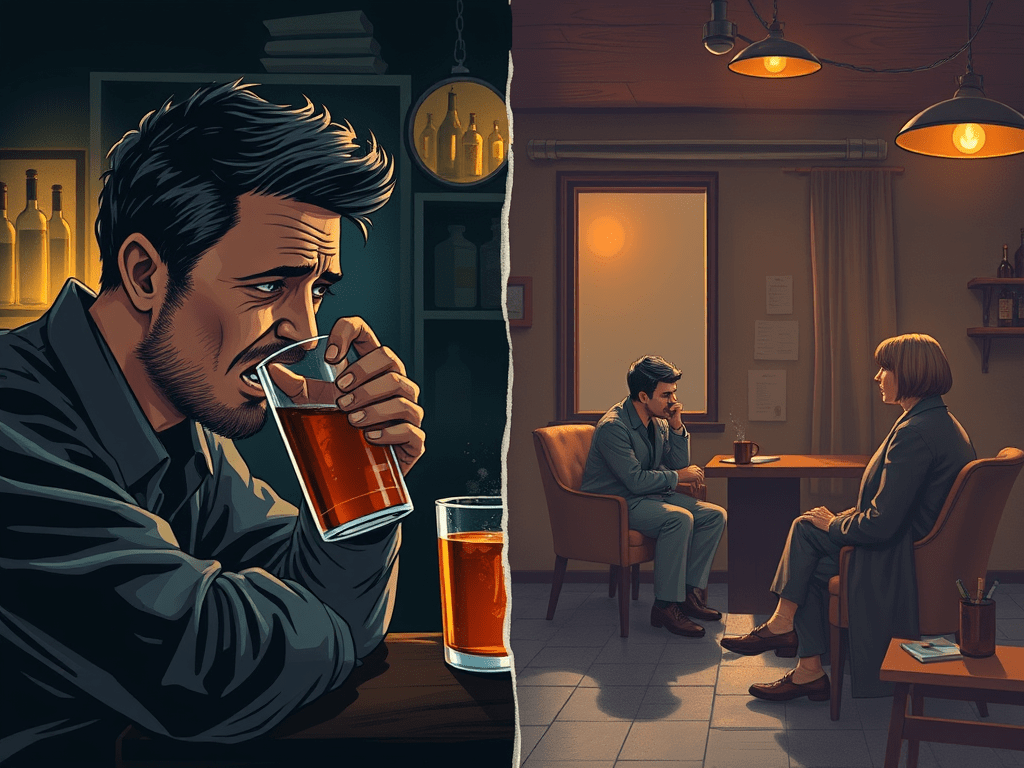
If you’ve ever struggled with addiction—or loved someone who has—you’ve probably heard (or said) the words:

“Why can’t I just stop?”
“Why isn’t willpower enough?”
“I know drinking/drugs are destroying my life… so why do I keep doing it?”

These questions break people emotionally before the substance ever does. They create shame, isolation, and a belief that you’re “weak,” “broken,” or “not trying hard enough.”

Step One of the AA Big Book offers a powerful, liberating reframe:
addiction is not a moral failure—it’s a loss of control rooted in the brain, body, and nervous system.

Today’s blog breaks down Step One—“We admitted we were powerless over alcohol—that our lives had become unmanageable”—and looks at it from both the lens of the AA tradition and modern brain science.


1. What Step One Actually Means (And What It Doesn’t)

Many people misunderstand Step One. They think “powerless” means:

  • “I’m helpless,”
  • “I’m weak,”
  • “I have no control over my life,”
  • “I can’t make choices.”

But Step One is not about helplessness—it’s about honesty.

It’s acknowledging a painful truth:

Once the substance is in the body, the ability to control use is gone.

Powerlessness doesn’t mean you can’t make decisions.
It means you can’t reliably control what happens after the first drink or hit.

This is the turning point where healing starts.


2. The Brain Science Behind “Powerlessness”

AA language was created before neuroscience existed, but the Big Book’s description still lines up with what research shows today.

When someone has a substance use disorder, the brain changes in three key areas:


1. The Reward System (Dopamine)

Substances overstimulate the pleasure pathways by up to 10 times more dopamine than natural rewards like food, connection, or accomplishment.

Over time, the brain becomes rewired to prioritize the substance above all else—even your goals, relationships, and safety.

This is not a conscious choice. It’s conditioning at the neurological level.


2. The Prefrontal Cortex (“The Stop Button”)

This is the part of the brain responsible for:
✅ decision-making
✅ impulse control
✅ planning
✅ resisting urges

Substances weaken this region. This is why people often say things like:

  • “I swore I wouldn’t drink today…”
  • “I don’t even know how I ended up using.”
  • “I meant it when I said I’d stop.”

Their intention was real, but their impaired prefrontal cortex could not follow through.


3. The Stress System (Fight-or-Flight Mode)

When someone tries to quit, the stress and anxiety systems become overactive.
This leads to:

  • irritability
  • restlessness
  • emotional flooding
  • cravings
  • feeling like “I can’t handle life sober”

The substance temporarily soothes this discomfort—so the cycle continues.

This is why Step One is so liberating.
You’re not “crazy.” You’re not “weak.” Your brain is responding exactly as it’s been conditioned.


3. Why Willpower Alone Fails (And Why That’s Okay)

Many clients tell me:

“I should be able to control myself.”
“Other people can drink normally.”
“This is my fault.”

Here’s the truth:
Willpower can’t compete with a brain wired for addiction.

Imagine trying to relax with a fire alarm blaring in your ear.
That’s the internal experience of craving.

Step One is an act of self-compassion:
“My brain is not the enemy. It’s doing what it was conditioned to do.”

You can’t out-discipline a neurological pathway.
But you can retrain your brain with recovery tools.


4. Two Client Examples

Maria: “The Social Drinker Who Isn’t So Social Anymore”

Maria promised herself she’d only have one drink at a birthday dinner.
But once she started, the old pattern kicked in:

  • one turned into six
  • she missed work the next day
  • she felt ashamed and confused

She told me, “I meant it when I said I’d only have one. Why can’t I control myself?”

Step One helped her see the truth:
Her brain doesn’t respond to alcohol like other people’s brains do.


Jason: “The Functional Professional”

Jason held a high-pressure job and believed he could “power through anything.” His drinking escalated during stress. He could stop for a bit, but never stay stopped.

He saw powerlessness as weakness—until we reframed it.
We explored how his brain was conditioned to associate relief with alcohol.

Accepting Step One helped him release guilt and start real healing.


5. Therapy + Step One: A Powerful Combination for Recovery

Step One identifies the problem.
Therapy helps build the solution.

CBT (Cognitive Behavioral Therapy)

Helps clients challenge distorted beliefs such as:

  • “I should be able to control this.”
  • “Relapse means I’m a failure.”

Grounding & Mindfulness

Teaches emotional regulation so clients don’t turn to substances for relief.

Relapse Prevention Planning

Identifies triggers, patterns, and early warning signs.

Motivational Interviewing

Supports clients who feel uncertain about change.

Trauma-Informed Counseling

Addresses the emotional wounds that often fuel addiction in the first place.


6. Step One as a Form of Freedom

Powerlessness sounds scary at first. But in recovery, it becomes liberating.

It means:

  • You’re not the problem.
  • You don’t have to fight this alone.
  • You can let go of impossible expectations.
  • You can stop blaming yourself.
  • There is a proven path forward.

Many clients tell me that Step One was the first time they felt relief instead of shame.


7. Reflection Questions for You

If you’re reading this and exploring recovery, consider:

  • When have I tried to control my use and been unable to?
  • How do my thoughts change when I drink or use?
  • What patterns feel “automatic” and outside my control?
  • What would it feel like to admit I need help—not because I’m weak, but because my brain has been altered?
  • What support could I reach for today?

You don’t have to know the answers yet.
Curiosity is enough.


8. Final Thoughts: You’re Not Broken—Your Brain Is Overwhelmed

Step One isn’t about defeat. It’s about clarity.

Understanding the science behind addiction helps remove shame.
Understanding the spiritual and emotional layers helps rebuild hope.

If you remember one thing from this blog, let it be this:

You are not powerless as a person.
You are powerless over the chemical once it’s in your body.
And recognizing that truth is how recovery begins.


✅ If this topic helped you…

✔️ Leave a comment
✔️ Share with someone in recovery

Therapeutic Reflections on the AA Big Book: Understanding The Doctor’s Opinion

When people first open the AA Big Book (4th Edition), many skip over The Doctor’s Opinion, not realizing that this short section contains one of the most important foundations for understanding addiction. As a mental health counselor who specializes in substance use, I’ve seen how powerful this section becomes when we explain it in modern language.

If you’re in recovery, supporting a loved one, or simply curious about why addiction is so complex, this blog breaks down the key ideas in simple, compassionate, and science-informed language.

This post is part of an ongoing series where I read the AA Big Book and share insights from both the book and the counseling world.


✅ What The Doctor’s Opinion Actually Says

The Doctor’s Opinion was written by Dr. William Silkworth, one of the early physicians who treated people with alcohol addiction. His central message is this:

👉 People with addiction react differently to alcohol than people without addiction.
When they take the first drink, something triggers — what he called a “phenomenon of craving.”

This idea was groundbreaking for its time. Instead of blaming addiction on “weakness,” Silkworth saw it as a medical condition involving two parts:

1. A Physical Allergy (the body reacts differently)

When someone with alcohol addiction drinks, they don’t experience a normal response.
They experience:

  • Craving
  • Loss of control
  • Compulsion to continue

Today, neuroscience confirms this. Alcohol impacts the reward system, dopamine pathways, and the prefrontal cortex — the part of the brain responsible for decision-making.

2. A Mental Obsession (the mind keeps bringing them back)

Even when someone desperately doesn’t want to drink, their mind pushes them toward it.
This mental obsession is:

  • intrusive
  • persistent
  • irrational
  • overwhelming

The AA Big Book describes it as a loop that feels impossible to break alone.

Silkworth wrote:
“…the patient is completely unable to bring into consciousness with sufficient force the memory of the suffering and humiliation of even a week or a month ago.”

Modern psychology calls this “state-dependent memory” — when cravings rise, logic and consequences feel distant or invisible.


✅ How This Relates to Clients Today

In therapy, I hear versions of Dr. Silkworth’s description all the time:

  • “Once I start, I don’t stop.”
  • “I don’t know why I picked up — I told myself I wouldn’t.”
  • “I forgot how bad it was.”
  • “It’s like a switch flips.”

These statements are not character flaws — they’re symptoms of a real condition that affects both the body and the brain.

This is why guilt and shame are so heavy in addiction.
People blame themselves for something the brain literally hijacks.

Understanding this helps clients release the belief that they are “broken,” “weak,” or “hopeless.”


✅ Why Willpower Alone Doesn’t Work (And Was Never Meant To)

One of the biggest myths in recovery is the idea that people simply need stronger willpower.
But The Doctor’s Opinion makes it clear:

👉 Addiction lives in the parts of the brain that willpower can’t access during cravings.

When cravings are activated:

  • impulse control decreases
  • emotional reasoning takes over
  • the brain prioritizes relief over logic

This is why strategies like “just say no” or “try harder” don’t work for someone with addiction.

It’s also why AA’s structure emphasizes community, support, and spiritual or mental grounding.

And it’s why therapy focuses on:

  • coping skills
  • grounding practices
  • cognitive restructuring
  • relapse prevention
  • emotional regulation
  • accountability

Recovery requires tools, not force.


✅ A Client Example

To protect privacy, this example is a blend of several clients.

“James” came to treatment saying, “I don’t understand myself. I’m educated, I have a job, I have kids. Why can’t I stop?”

He could go a week or two without drinking, but every relapse looked the same:

  1. Stress at work
  2. Feeling overwhelmed
  3. “Maybe one drink won’t hurt”
  4. A two-day binge

He blamed himself every time.
But after reading The Doctor’s Opinion, something clicked:

“It’s not that I’m weak. My brain reacts differently.”

This reframe allowed him to step out of shame and into action — something I see again and again.

When clients understand the nature of addiction, recovery becomes less about beating themselves up and more about working with their brain instead of against it.


✅ What Modern Science Adds

Even though AA was written decades ago, much of The Doctor’s Opinion aligns with what we now know about addiction, including:

Dopamine hijacking

Alcohol floods the brain with dopamine, reinforcing the behavior.

Conditioned responses

Certain environments trigger cravings automatically.

Impaired prefrontal cortex

Decision-making is compromised during cravings, especially in early recovery.

Stress response sensitivity

People with addiction often have overactive stress systems, making substances feel like relief.

The Big Book’s early insights are now supported by MRI studies, neurobiology, and trauma research.


✅ Practical Tools: What You Can Do With This Information

1. Practice “The Pause”

Before drinking, using, or acting on impulse:
Stop → Breathe → Name the feeling → Choose intentionally.

Even 10 seconds can interrupt the craving spiral.

2. Build a Trigger List

Know your top 5 triggers.
Common ones include:

  • loneliness
  • stress
  • conflict
  • boredom
  • celebrations
  • certain people

Awareness = prevention.

3. Create a Support Plan

Recovery is not meant to be done alone.
Include:

  • a meeting
  • a sponsor or mentor
  • one sober friend
  • a therapist
  • one daily routine

4. Use “Replacement Rituals”

Alcohol becomes a ritual — so create new ones:

  • tea instead of wine
  • walk instead of drink
  • breathwork before bed
  • journaling to release stress

Small rituals create big change.


✅ Final Thoughts

If you’ve ever wondered why you drink when you don’t want to, or why stopping feels impossible after the first drink, The Doctor’s Opinion offers compassion and clarity.

Addiction is not a moral failure — it’s a condition that needs support, structure, and healing.

In this blog series, I will continue reading the AA Big Book (4th Edition) and breaking down each section with tools, insights, and real-life applications. My hope is that this makes the journey feel less overwhelming and more empowering.


✅ If this topic helped you…

✔️ Leave a comment
✔️ Share with someone in recovery

Marijuana and Mental Health: What You Need to Know in the Age of Legalization

Marijuana is more available than ever. With dispensaries popping up across the country and laws shifting quickly, many people are wondering: “If it’s legal now, it must be safe… right?”

The truth is more complicated.

Whether you’re using marijuana to relax, sleep, manage anxiety, or cope with trauma, it’s important to understand how today’s cannabis is different—and how it may be affecting your mental health more than you think.


Legal ≠ Safe for Everyone

Let’s start here: Just because something is legal doesn’t mean it’s harmless.

Alcohol is legal. So is nicotine. But both are linked to addiction, cancer, depression, and thousands of preventable deaths each year.

Similarly, marijuana being legal in many states (and possibly changing soon in Florida) doesn’t make it risk-free—especially for people with anxiety, depression, trauma histories, or substance use disorders.


Today’s Weed Is Not the Same

If you smoked weed in the ’90s or early 2000s, today’s marijuana is not what you remember.

Here’s the data:

  • In the 1990s, the average THC (the active ingredient that causes the high) level was about 4%.
  • Today, most dispensary products range from 15% to 30% THC—some concentrated products like wax, dabs, and oils can exceed 90%.
  • A 2023 study in The Lancet Psychiatry found that high-potency marijuana is strongly associated with increased risk of psychosis, especially in teens and young adults.

Higher THC = stronger effects, more side effects, and a greater risk of dependency.


Mental Health Risks to Know About

While some people report short-term relief from anxiety, PTSD, or insomnia, others experience the opposite.

Here are some mental health effects tied to marijuana:

1. Increased Anxiety or Panic Attacks

Ironically, the same drug many use to “calm down” can actually intensify anxiety, especially in high doses or with frequent use.

2. Paranoia and Psychosis

High THC levels can trigger paranoia, confusion, and even hallucinations, particularly in people with a family history of psychosis or schizophrenia.

3. Depression and Low Motivation

Long-term use may blunt motivation, increase fatigue, and contribute to a “foggy” mental state known as amotivational syndrome.

4. Addiction and Withdrawal

Yes—marijuana can be addictive. About 1 in 10 users will develop cannabis use disorder. For teens, it’s 1 in 6.
Common withdrawal symptoms include irritability, trouble sleeping, anxiety, and cravings.


Client Example: David’s Story

David, a 29-year-old client, started smoking marijuana daily during the pandemic to “take the edge off.” He wasn’t drinking or using anything else. But over time, he noticed his anxiety getting worse, not better.

“I’d smoke to relax, but then I’d lie in bed thinking everyone hated me,” he shared. “I thought it was just me.”

Through therapy, David cut back significantly and started using other tools like deep breathing, journaling, and regular exercise. His anxiety didn’t go away overnight, but he started feeling clearer and more in control.


If You Use Marijuana, Ask Yourself These Questions

No judgment—just reflection.

✅ Am I using it to numb something I don’t want to feel?
✅ Do I need more and more to feel the same effects?
✅ Am I using it every day or relying on it to sleep or eat?
✅ Have I tried to cut back and couldn’t?
✅ Do I feel more anxious, paranoid, or isolated since I started?
✅ Has it gotten in the way of work, relationships, or goals?

If you answered yes to a few, you may be experiencing problematic use, even if you don’t think of it as addiction.


Why It’s Hard to Talk About

Many people feel caught between two extremes: the “weed is a miracle medicine” crowd, and the “weed will ruin your life” message they may have heard growing up.

But here’s the middle ground: Marijuana isn’t evil—but it’s also not harmless.

It affects everyone differently. For people with mental health concerns, trauma, or a history of substance use, marijuana might be doing more harm than good.


Alternatives for Coping Without Cannabis

If you’re using marijuana to cope with life, you’re not alone. But you do have options.

Here are a few alternatives to try:

  • Breathwork or grounding exercises for anxiety
  • Sleep hygiene routines and natural supplements like magnesium or melatonin
  • Journaling or expressive arts for stress
  • Therapy—especially trauma-informed or CBT for anxiety
  • Physical activity (even short walks help balance brain chemistry)
  • Support groups where you can talk about your use without judgment

Can You Use Marijuana in Moderation?

Maybe. Some people can.

But if you have a history of:

  • Depression, bipolar disorder, or panic attacks
  • Trauma or PTSD
  • Substance use (alcohol, pills, opioids, etc.)
  • Feeling out of control when you try to cut back

…then moderation may not work for you, and that’s okay. Recovery means finding what truly supports your mental health—not what numbs it for a while.


Call to Action: Let’s Open the Conversation

Whether you use marijuana daily, occasionally, or not at all, your mental health matters more than anything.

👉 Have you noticed changes in your mood or motivation with marijuana use?
👉 Have you tried quitting or cutting back? What helped—or didn’t?

Drop a comment below and share your story or questions. This is a safe place to be honest, curious, and supported—without stigma.

Winning in Recovery: Choosing Peace Over the Argument

When we think about the word winning, most of us picture trophies, medals, or being “right” in an argument. But in recovery from substance use, winning takes on a whole different meaning. It’s not about crushing the other person, proving a point, or forcing your way. It’s about learning to choose peace, sobriety, and your long-term well-being over temporary satisfaction.

There’s an old saying about marriage:

“You can win the argument or stay married.”

It reminds us that sometimes we get so focused on proving we’re right, that we lose sight of what really matters. The same is true in addiction recovery. You can “win” the fight, but at what cost? Your peace, your relationships, even your sobriety?

Another saying I love is this:

“Winning can come at a very high cost. The next time you feel the urge to win, ask yourself—am I chasing relief or true satisfaction?”

That question is powerful for anyone working through recovery. Let’s explore what it means.


The High Cost of “Winning”

In recovery, there will be moments when the urge to win feels strong. Maybe someone challenges your progress, doubts your sobriety, or brings up old mistakes. Your instinct might be to fight back—to defend, argue, or prove yourself.

But here’s the truth:

  • Winning the fight doesn’t always mean winning in life.
  • Arguing can feed stress, which often triggers cravings.
  • The “victory” of being right can cost you trust, peace, and progress.

Think about it—how many times has “winning” left you feeling exhausted, angry, or isolated? That’s not the kind of victory recovery is about.


Real-Life Recovery Examples

To bring this closer to home, let’s look at some common situations in recovery:

1. With Family

María, in early recovery, feels judged because her mom keeps bringing up her past mistakes. María wants to “win” the moment by saying, “Stop bringing it up, I’ve changed!” But if she yells back, she risks hurting the relationship and increasing her stress.

A true win would be pausing, taking a breath, and responding calmly. Instead of fueling the fire, she protects her peace.

2. With Friends

Pedro runs into an old friend who offers him a beer. He wants to prove how strong he is by snapping, “I don’t need that anymore. You’re the weak one.” That might feel good in the moment, but it risks alienating a friend and stirring up resentment.

The bigger win? Saying something simple like, “Thanks, but I’m staying sober—it’s important to me.” That answer keeps him safe and confident without burning bridges.

3. With a Partner

Luis’s partner doesn’t trust him when he comes home late. He wants to “win” by proving he’s clean and demanding, “You should believe me!” But this only escalates conflict.

The real victory is to show consistency, patience, and accountability over time. That’s what rebuilds trust.


Relief vs. Satisfaction

One of the biggest lessons in recovery is learning the difference between relief and satisfaction.

  • Relief is short-term. It’s snapping back in an argument, numbing feelings with substances, or “proving” yourself. It feels good for a moment but often leaves damage behind.
  • Satisfaction is long-term. It’s the peace of choosing not to fight, the pride of staying sober another day, the joy of healthy relationships.

Recovery asks us: Do you want the relief of being right, or the satisfaction of real healing?


A Simple Skill: PRE (Pause, Breathe, Choose)

In groups, I often teach a simple method to handle these moments: PRE—Pause, Breathe, Choose.

  • Pause – When you feel triggered, stop for 10 seconds.
  • Breathe – Inhale for 4 seconds, exhale for 4 seconds, repeat 3 times.
  • Choose – Ask yourself: What’s the price if I “win” this? Am I looking for relief or satisfaction?

Think of it like a traffic light:

  • Red = Stop.
  • Yellow = Think of your options.
  • Green = Act with peace and clarity.

This skill may seem small, but it can change everything. Instead of reacting impulsively, you’re making conscious choices that protect your recovery.


Your True Victories in Recovery

Let’s redefine what winning really means when it comes to recovery from substance use:

  • Staying sober one more day.
  • Walking away from a fight instead of fueling it.
  • Choosing peace over proving a point.
  • Building back trust with family and friends.
  • Sleeping well because you stayed clean.
  • Feeling proud of yourself at the end of the day.

These may not look like “wins” to the outside world, but inside recovery, they are everything.


Try This: Your “Victory Phrase”

Sometimes it helps to have a phrase you repeat when you’re tempted to fight or prove yourself. Here are a few you can use—or make your own:

  • “My victory is staying sober today.”
  • “Peace matters more than being right.”
  • “I win when I choose recovery.”
  • “True strength is calm.”

Having these words ready gives you an anchor when emotions run high.


Reflection Questions

Here are some questions to ask yourself this week:

  1. When was the last time I felt the urge to “win” an argument?
  2. What did I lose in that moment—peace, trust, sobriety?
  3. How might I handle it differently next time?
  4. What does true winning mean to me in my recovery journey?

Writing your thoughts down can help you see patterns and stay intentional.


Final Thoughts

Recovery is not about proving yourself to others—it’s about building a life that feels worth living. Every day you choose not to pick up, every time you pause instead of snapping, every time you protect your peace—that is winning.

Remember:

You can win the fight, or you can win your recovery. The choice is yours.

The next time you feel the urge to prove yourself, stop and ask: Am I looking for quick relief, or real satisfaction? Choose satisfaction. Choose peace. Choose recovery.

That is the victory that lasts.

Back-to-School Stress: A Guide for Parents in Recovery or Struggling with Substance Use

The backpacks are packed. The alarms are set. And just like that—summer is over.

For many parents, back-to-school season brings a whirlwind of emotions. There’s excitement, yes—but there’s also pressure, exhaustion, and anxiety. For parents who are in recovery or struggling with substance use, this time of year can feel like walking a tightrope while carrying the weight of the world.

If this sounds like you, you’re not alone.

Whether you’re trying to stay clean, thinking about getting help, or just trying to keep it together for your kids—this blog is for you.


The Truth About Parenting Stress and Substance Use

Parenting is hard. Parenting with anxiety is even harder. And when substance use enters the picture—whether it’s alcohol, pills, or anything else—it can feel impossible to cope.

According to a 2023 study by the National Institute on Drug Abuse (NIDA):

  • 1 in 8 parents report using substances to manage stress
  • Parents with high levels of anxiety or untreated trauma are significantly more likely to engage in problem drinking or drug use
  • The risk spikes during transitional times—like back-to-school, holidays, or major family changes

Add the financial strain of new clothes, school supplies, daycare, or juggling work schedules—and the urge to “numb out” becomes real.


Meet Angela: A Single Mom Trying to Hold It Together

Angela is a 38-year-old single mom of two boys, ages 6 and 9. She works full time, has no consistent support system, and is in early recovery after struggling with alcohol for years.

When school started last year, her anxiety skyrocketed. She worried about everything—getting the boys to school on time, affording lunches, keeping up with homework, and not losing her job.

One night after a particularly rough day, she poured herself a glass of wine. Then another. Then another.

“I just wanted to relax,” she said in therapy. “But the next morning, I woke up ashamed, hungover, and even more behind.”

Through counseling, Angela began identifying her triggers and building healthier routines. She also found support through a local parenting recovery group. Today, she’s still clean, still stressed—but no longer alone.


Red Flags: Is School Stress Putting Your Sobriety at Risk?

Not every parent who drinks or uses is addicted—but it’s important to recognize the signs that your relationship with substances might be hurting more than helping.

Here are some red flags to watch for:

  • You’re using substances to “get through the day” or “take the edge off” regularly
  • You feel guilty or try to hide your use from your kids
  • Your patience is short, and your anxiety feels out of control
  • You’re falling behind on responsibilities
  • You’ve tried to cut back, but haven’t been able to
  • You feel shame, sadness, or panic after using
  • You worry you’re not the parent your kids need

If any of these feel familiar, it’s not a sign of weakness—it’s a signal that you deserve support.


How to Cope Without Turning to Substances

When the stress is high, here are real tools that can help:

1. Create a Morning & Evening Routine

Routines reduce chaos. Try to wake up 15 minutes earlier to breathe, stretch, or enjoy quiet. In the evenings, plan lunches and clothes ahead to reduce morning stress.

2. Have a Calm-Down Plan

Keep a list of grounding tools handy for high-stress moments:

  • Step outside for 5 minutes
  • Splash cold water on your face
  • Use a calming app like Insight Timer or Headspace
  • Text someone from your support network

3. Set Boundaries

You can’t do it all. Say no to extra commitments. Delegate where you can. Prioritize your mental health the way you would your child’s.

4. Talk to Your Kids

Even young children understand emotions. You can say:

“Mommy is feeling stressed today, and I’m working on handling it in healthy ways. That’s why I’m taking a deep breath or calling someone.”

This models coping, not perfection.

5. Join a Support Group

Look for parent-focused recovery groups or online meetings. Feeling seen and heard by others in the same boat can make all the difference.


Staying Clean During High-Stress Seasons

Recovery isn’t about never feeling triggered. It’s about building a toolbox you can actually use when stress shows up.

Here’s what works:

  • Daily check-ins: Ask yourself, How am I feeling today? What do I need?
  • Accountability: A sponsor, therapist, or friend can help you stay grounded.
  • Celebrate small wins: Got your kid to school and didn’t drink today? That’s a win.
  • Avoid “all or nothing” thinking: If you slip up, it’s not the end. It’s a signal to adjust and reach out.

If You’re Still Using and Feel Overwhelmed, Here’s What You Can Do

You don’t have to hit rock bottom to ask for help. You can be a good parent and need support. Both things can be true.

Here’s how to start:

  • Call a local mental health or substance use counselor
  • Look for outpatient programs that work around your schedule
  • Ask about services for parents—many programs offer childcare, parenting classes, or transportation help
  • Talk to your doctor—even just saying, “I’m feeling overwhelmed, and I’m using more than I want to,” is a step forward

You’re Not Failing—You’re Under Pressure

School supply lists, teacher emails, forgotten lunches, and bedtime battles don’t come with a manual. Add substance use recovery or anxiety on top of that, and of course you’re feeling stretched thin.

But you are not failing.

Getting help, setting limits, showing up imperfectly—that’s real strength. Your children don’t need a perfect parent. They need a present one.


💬 Let’s Talk: How Are You Coping with Back-to-School Stress?

If you’re a parent in recovery or struggling with substance use, I’d love to hear from you.

👉 What’s been hardest about this time of year?
👉 What tools help you stay calm and clean?

Drop a comment below—your story may help another parent feel less alone. And if you’re struggling silently, let this be your reminder: you don’t have to do this alone.

The Power of Purpose in Addiction Recovery: How Finding Meaning Helps You Stay Clean

Having a sense of purpose is vital in addiction recovery, providing motivation and direction. Research shows that strong purpose reduces cravings, boosts resilience, and improves mental health. Real-life examples demonstrate how engaging in meaningful activities can foster recovery. Even small steps toward purpose can significantly impact one’s journey toward healing.

Introduction: Why Purpose Can Change Everything in Recovery

When you’re battling addiction, life can feel meaningless. Days blur. Motivation disappears. And recovery can seem like a mountain too high to climb. But one of the most important—and often overlooked—parts of staying clean is having something bigger to live for: a sense of purpose.

Whether it’s rebuilding relationships, helping others, or rediscovering a forgotten passion, purpose gives direction to your recovery journey. And it just might be the thing that keeps you from falling back into old habits.


What the Research Says About Purpose and Recovery

Scientists and addiction specialists agree: purpose isn’t just a nice idea—it’s a powerful protective factor against relapse.

  • A 2017 study in the Journal of Positive Psychology found that people with a strong sense of purpose were more resilient in addiction recovery and less likely to relapse.
  • According to the National Institute on Drug Abuse (NIDA), successful recovery involves creating “meaningful daily activities,” like working, volunteering, or pursuing goals.
  • A 2021 study published in Substance Abuse Treatment, Prevention, and Policy revealed that individuals with purpose reported fewer cravings and better mental health outcomes.

Michael’s Story: Purpose in Action

Michael, a 32-year-old in Miami, had tried to get clean multiple times. He often said, “What’s the point?” During a therapy session, he reflected on his love for working with cars—a passion he had ignored for years.

With encouragement, he started volunteering at a local mechanic shop. That simple step turned into something more. He reconnected with old friends, felt useful, and enrolled in a certification course.

Today, he’s clean, working part-time, and rebuilding his life. His words? “I’m not just staying sober—I’m working toward something.”


How Purpose Helps You Stay Clean

1. Reduces Cravings:
Focusing on meaningful goals helps reduce idle time and negative thinking, two major relapse triggers.

2. Boosts Natural Motivation:
Feeling useful activates brain pathways that release dopamine—the same neurotransmitter many substances hijack.

3. Increases Resilience:
Purpose gives you a reason to keep going even when recovery gets tough.

4. Improves Mental Health:
People with purpose report lower levels of anxiety, depression, and hopelessness.


What If You Don’t Know Your Purpose Yet?

That’s okay. Many people in early recovery feel lost. You’ve removed something (drugs or alcohol), but haven’t yet replaced it. Here’s where to start:

🔍 Try These 4 Steps:

  1. Think back – What made you feel alive before addiction?
  2. Explore something new – Try a class, art, community project.
  3. Talk it out – A therapist or peer can help you identify strengths.
  4. Start small – Purpose doesn’t have to be huge. Even walking your dog, showing up to a meeting, or helping a neighbor can spark meaning.

Examples of Purpose in Recovery

Every person’s path is different. Here are real examples of what purpose looks like in the lives of people in recovery:

  • Rebuilding family trust after years of damage
  • Volunteering at a food pantry
  • Speaking at a recovery group
  • Going back to school
  • Mentoring others in sobriety
  • Taking care of a pet or elderly parent
  • Creating music, art, or writing
  • Pursuing spiritual growth or mindfulness

Purpose Is Protection

Let’s be real: recovery is hard. It’s full of ups and downs. But having a reason to wake up every day—a reason that feels bigger than your cravings—is one of the best defenses against relapse.

When you’re grounded in purpose, you’re not just surviving—you’re healing.


Your Life Has Value—Even If You’re Still Figuring Things Out

Don’t wait until you have everything “together” to start searching for purpose. You deserve meaning in your life right now, even in your messiest chapter.

Start with curiosity. Ask yourself:
👉 What matters to me—deep down?
👉 Who do I want to be when I look back at this time in my life?
👉 What do I want to build?


💬 Let’s Talk: What Gives You Purpose in Recovery?

Have you found a sense of purpose in your journey with addiction?
What small step helped you discover it?

Leave a comment below—your words could inspire someone who really needs it right now. If you’re still figuring it out, tell us where you’re starting. We’re in this together.

Embracing Change: Mental Health Month and National Prevention Week

May approaches with Mental Health Month and National Prevention Week, offering insights and coping skills to combat substance use and mental health struggles. Together, let’s embrace change, find solace, and rewrite our narratives. With every step, we reclaim control and pave the path to healing.

As May approaches, we embark on a journey of self-discovery and healing. May is Mental Health Month, and it holds within it National Prevention Week, a beacon of hope for those of us struggling with substance use and mental health challenges. Sponsored by the Substance Abuse and Mental Health Services Administration (SAMHSA), this week, from May 8th to May 14th, offers us a chance to find solace, support, and pathways to a brighter tomorrow.

Each day of National Prevention Week is dedicated to a theme, offering insights and coping skills to navigate the challenges we face:

May 11: Coping with Prescription Drug and Opioid Misuse

Facing the temptation to misuse prescription drugs or opioids can feel overwhelming. One coping skill to try is grounding techniques. Find a comfortable spot, take deep breaths, and focus on your senses. Notice the feeling of the ground beneath you, the sounds around you, and the rhythm of your breath. Grounding brings you back to the present moment, helping you resist urges and regain control.

May 12: Coping with Underage Drinking and Alcohol Misuse

Resisting the allure of alcohol when you’re underage or struggling with alcohol misuse can be challenging. One coping skill to practice is creating a safety plan. Identify triggers that lead to drinking, and develop strategies to cope with them. Reach out to supportive friends or family members, distract yourself with hobbies or activities you enjoy, or have a list of helplines ready to call if you feel overwhelmed.

May 13: Coping with Illicit Drug Use and Youth Marijuana Use

Dealing with the pressure to use illicit drugs or marijuana as a youth can feel isolating. One coping skill to explore is mindfulness meditation. Find a quiet space, close your eyes, and focus on your breath. Notice any thoughts or feelings that arise without judgment, and gently guide your attention back to your breath. Mindfulness meditation helps you cultivate inner strength and resilience to resist peer pressure and make healthier choices.

May 14: Coping with Youth Tobacco Use (E-cigarettes and Vaping)

Struggling with addiction to tobacco, e-cigarettes, or vaping products can feel like an uphill battle. One coping skill to try is progressive muscle relaxation. Sit or lie down in a comfortable position, and slowly tense and then relax each muscle group in your body, starting from your toes and working your way up to your head. Progressive muscle relaxation helps release tension and reduce cravings, allowing you to take control of your addiction.

May 15: Coping with Suicidal Thoughts

Navigating suicidal thoughts can be frightening and overwhelming. One coping skill to utilize is creating a safety plan. Identify warning signs that indicate you’re feeling suicidal, and list coping strategies to manage these feelings. Reach out to trusted friends, family members, or mental health professionals for support. Remember, you are not alone, and there is help available.

As we embark on this journey together, remember that healing is not linear, and it’s okay to ask for help when you need it. Reach out to supportive individuals in your life or seek professional guidance from counselors or support groups. Together, we can embrace change, find hope, and build a brighter future.