🎃 Sober, Spooky, and Strong: How to Enjoy Halloween Without Using

Halloween in Miami is no joke—between wild parties, costume contests, and endless events, it can be a tempting time for anyone in recovery. But here’s the truth:

You don’t need drugs or alcohol to enjoy October. You just need a plan.

Whether you’re newly sober or have a few Halloweens under your recovery belt, this blog is here to help you:

  • Cope with peer pressure and triggers
  • Discover Miami’s sober-friendly events
  • Learn simple tools to stay grounded
  • Have real fun—no hangover required

👻 Why Halloween Can Feel Hard When You’re in Recovery

Let’s be real—holidays like Halloween are often centered around:

  • Parties with alcohol
  • People letting loose or overindulging
  • Disguising pain behind masks, costumes, or substances

If you’re in recovery, all of that can stir up some serious feelings:
😬 “Everyone else gets to have fun.”
😔 “I don’t want to feel left out.”
😵‍💫 “I’m triggered just seeing my old friends party again.”

But these thoughts aren’t facts. They’re invitations to check in with your coping tools—and remember your purpose.


🧠 Coping With Cravings and Pressure

Whether it’s pressure from friends or pressure from inside your own mind, here are simple ways to stay grounded:

1. Have an Exit Plan

Before you go anywhere (even a “sober” event), ask yourself:

  • What’s my boundary?
  • Who can I call if I feel overwhelmed?
  • How will I leave if I need to?

🚪 Having a way out is power—not weakness.

2. Bring a Sober Buddy

Everything is easier when you have someone by your side. Bring a friend who understands your goals—or go to events where sober support is built-in.

3. Practice “The Pause”

When a craving or emotion hits hard, pause and ask yourself:

  • “What do I really need right now?”
  • “What will using actually solve?”
  • “What happens if I wait 15 minutes?”

Most cravings fade. The pause gives you back your power.


🎉 Miami Sober-Friendly Halloween Events (2025)

Yes, you can still dance, dress up, and have a blast—without picking up. Here are a few fun and substance-free things to check out:

🔹 Sober Soirée Halloween Bash – Hosted by a local recovery group (check Meetup or Eventbrite), this costume party is clean, fun, and full of connection.

🔹 Zoo Miami’s Halloween Howl-O-Ween – Family-friendly fun with trick-or-treating, costume contests, and zero pressure.

🔹 Pumpkin Patches & Fall Markets – Check out Pinto’s Farm or Little Farm Miami for pumpkin picking, hayrides, and wholesome vibes.

🔹 AA or NA Halloween Meetings – Some 12-step groups host themed meetings, costume contests, and dances. Check your local intergroup website.

Don’t see something you like? Host your own! Movie night, pumpkin painting, horror games, or a “mocktail” tasting can turn your space into a sober sanctuary.


🧰 Simple Coping Tools You Can Use All Month Long

✋ 5-4-3-2-1 Grounding Trick

Overwhelmed? Anxious? Try this sensory tool:

  • 5 things you can see
  • 4 things you can touch
  • 3 things you hear
  • 2 things you smell
  • 1 thing you taste
    This pulls you back to the present—fast.

💬 Set a Mantra

Try one of these and repeat it when things get tough:

  • “I can do fun things sober.”
  • “A craving is not a command.”
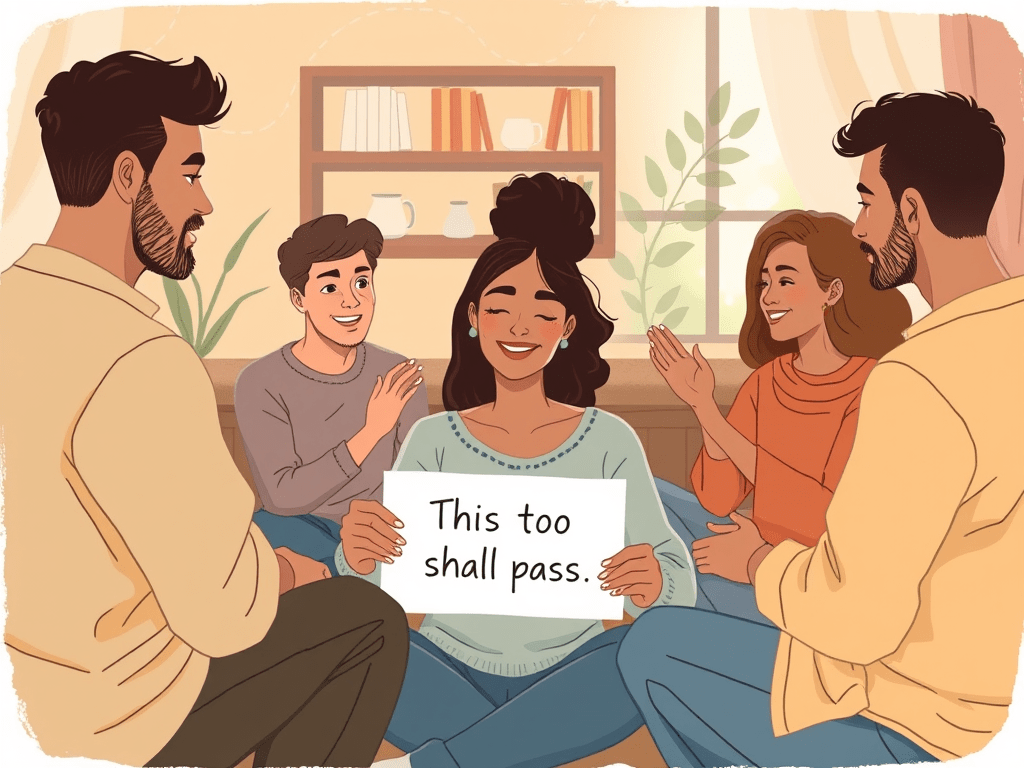
  • “This feeling will pass.”

📱 Recovery Apps to Keep Handy

  • SoberTool (track cravings, get motivation)
  • I Am Sober (milestones + journal)
  • Insight Timer (guided meditations for anxiety & urges)

🧡 Real Talk: A Story of a Sober Mom

Meet “Lina”, a single mom in her 30s, 6 months sober. Last year, Halloween meant her kids running wild while she drank wine in the background—checked out, numb, and full of guilt.

This year, she made a change.

She planned a backyard Halloween movie night, complete with costumes, popcorn, and spooky music. She even invited a few other moms from her support group to join.

Lina didn’t miss the alcohol. She remembers the joy in her kids’ faces, not a hangover. She went to bed feeling proud—because she was present.


💡 You Deserve Joy—Sober Joy

You’re not boring because you’re sober. You’re not missing out. You’re building a life that’s real. A life you don’t have to numb.

Recovery isn’t just about saying “no” to using. It’s about saying “yes” to:

  • Laughing without guilt
  • Dancing without shame
  • Waking up proud, not panicked
  • Creating new memories that matter

💬 We Want to Hear From You!

What’s your biggest challenge during Halloween or the holiday season in recovery?
🎃 How do you stay strong and have fun this time of year?

👇 Drop a comment below and share your story, your survival tips, or your favorite sober Halloween ideas. You never know who you might help by speaking up.

Winning in Recovery: Choosing Peace Over the Argument

When we think about the word winning, most of us picture trophies, medals, or being “right” in an argument. But in recovery from substance use, winning takes on a whole different meaning. It’s not about crushing the other person, proving a point, or forcing your way. It’s about learning to choose peace, sobriety, and your long-term well-being over temporary satisfaction.

There’s an old saying about marriage:

“You can win the argument or stay married.”

It reminds us that sometimes we get so focused on proving we’re right, that we lose sight of what really matters. The same is true in addiction recovery. You can “win” the fight, but at what cost? Your peace, your relationships, even your sobriety?

Another saying I love is this:

“Winning can come at a very high cost. The next time you feel the urge to win, ask yourself—am I chasing relief or true satisfaction?”

That question is powerful for anyone working through recovery. Let’s explore what it means.


The High Cost of “Winning”

In recovery, there will be moments when the urge to win feels strong. Maybe someone challenges your progress, doubts your sobriety, or brings up old mistakes. Your instinct might be to fight back—to defend, argue, or prove yourself.

But here’s the truth:

  • Winning the fight doesn’t always mean winning in life.
  • Arguing can feed stress, which often triggers cravings.
  • The “victory” of being right can cost you trust, peace, and progress.

Think about it—how many times has “winning” left you feeling exhausted, angry, or isolated? That’s not the kind of victory recovery is about.


Real-Life Recovery Examples

To bring this closer to home, let’s look at some common situations in recovery:

1. With Family

María, in early recovery, feels judged because her mom keeps bringing up her past mistakes. María wants to “win” the moment by saying, “Stop bringing it up, I’ve changed!” But if she yells back, she risks hurting the relationship and increasing her stress.

A true win would be pausing, taking a breath, and responding calmly. Instead of fueling the fire, she protects her peace.

2. With Friends

Pedro runs into an old friend who offers him a beer. He wants to prove how strong he is by snapping, “I don’t need that anymore. You’re the weak one.” That might feel good in the moment, but it risks alienating a friend and stirring up resentment.

The bigger win? Saying something simple like, “Thanks, but I’m staying sober—it’s important to me.” That answer keeps him safe and confident without burning bridges.

3. With a Partner

Luis’s partner doesn’t trust him when he comes home late. He wants to “win” by proving he’s clean and demanding, “You should believe me!” But this only escalates conflict.

The real victory is to show consistency, patience, and accountability over time. That’s what rebuilds trust.


Relief vs. Satisfaction

One of the biggest lessons in recovery is learning the difference between relief and satisfaction.

  • Relief is short-term. It’s snapping back in an argument, numbing feelings with substances, or “proving” yourself. It feels good for a moment but often leaves damage behind.
  • Satisfaction is long-term. It’s the peace of choosing not to fight, the pride of staying sober another day, the joy of healthy relationships.

Recovery asks us: Do you want the relief of being right, or the satisfaction of real healing?


A Simple Skill: PRE (Pause, Breathe, Choose)

In groups, I often teach a simple method to handle these moments: PRE—Pause, Breathe, Choose.

  • Pause – When you feel triggered, stop for 10 seconds.
  • Breathe – Inhale for 4 seconds, exhale for 4 seconds, repeat 3 times.
  • Choose – Ask yourself: What’s the price if I “win” this? Am I looking for relief or satisfaction?

Think of it like a traffic light:

  • Red = Stop.
  • Yellow = Think of your options.
  • Green = Act with peace and clarity.

This skill may seem small, but it can change everything. Instead of reacting impulsively, you’re making conscious choices that protect your recovery.


Your True Victories in Recovery

Let’s redefine what winning really means when it comes to recovery from substance use:

  • Staying sober one more day.
  • Walking away from a fight instead of fueling it.
  • Choosing peace over proving a point.
  • Building back trust with family and friends.
  • Sleeping well because you stayed clean.
  • Feeling proud of yourself at the end of the day.

These may not look like “wins” to the outside world, but inside recovery, they are everything.


Try This: Your “Victory Phrase”

Sometimes it helps to have a phrase you repeat when you’re tempted to fight or prove yourself. Here are a few you can use—or make your own:

  • “My victory is staying sober today.”
  • “Peace matters more than being right.”
  • “I win when I choose recovery.”
  • “True strength is calm.”

Having these words ready gives you an anchor when emotions run high.


Reflection Questions

Here are some questions to ask yourself this week:

  1. When was the last time I felt the urge to “win” an argument?
  2. What did I lose in that moment—peace, trust, sobriety?
  3. How might I handle it differently next time?
  4. What does true winning mean to me in my recovery journey?

Writing your thoughts down can help you see patterns and stay intentional.


Final Thoughts

Recovery is not about proving yourself to others—it’s about building a life that feels worth living. Every day you choose not to pick up, every time you pause instead of snapping, every time you protect your peace—that is winning.

Remember:

You can win the fight, or you can win your recovery. The choice is yours.

The next time you feel the urge to prove yourself, stop and ask: Am I looking for quick relief, or real satisfaction? Choose satisfaction. Choose peace. Choose recovery.

That is the victory that lasts.

The Impact of Halloween on Anxiety and Stress

Halloween festivities can be a significant source of anxiety and stress for those struggling with mental health and substance use issues. In Miami, FL, where substance use rates are high, understanding these triggers and having strategies in place is crucial. This guide offers practical tips to manage stress, stay safe, and enjoy Halloween sober.

As Halloween approaches, it’s important to acknowledge that this festive holiday, while fun for many, can be a significant source of anxiety and stress, particularly for those struggling with mental health and substance use issues. The combination of social events, costumes, parties, and the general atmosphere of Halloween can trigger various emotions and behaviors. In Miami, FL, where substance use rates are notably high, it’s crucial to be aware of these triggers and have strategies in place to manage them effectively.

Understanding the Impact of Halloween on Mental Health

Halloween can be overwhelming for several reasons:

  1. Social Pressure: The expectation to attend parties, dress in costumes, and socialize can be daunting for those with social anxiety or introverted personalities.
  2. Substance Use: Halloween parties often involve alcohol and other substances, which can be particularly challenging for individuals in recovery or those struggling with substance use disorders.
  3. Fear and Anxiety: The theme of fear, horror movies, and haunted houses can exacerbate anxiety disorders or PTSD.
  4. Change in Routine: The disruption of normal routines and the increased noise and activity can be stressful for many individuals.

Managing Halloween Triggers

Here are some practical tips to help manage anxiety and stress during Halloween:

  1. Plan Ahead: Decide in advance which events you will attend and which you will skip. It’s okay to say no to invitations that may put your mental health at risk.
  2. Set Boundaries: If you choose to attend events, set clear boundaries for yourself regarding substance use and social interactions.
  3. Stay Connected: Keep in touch with your support network. Let them know your plans and check in with them regularly.
  4. Practice Self-Care: Engage in activities that help you relax and unwind. This could be anything from a quiet night in with a good book to practicing mindfulness or yoga.
  5. Seek Professional Help: If the holiday season feels overwhelming, don’t hesitate to reach out to a mental health professional for support.

Celebrating Halloween Sober in Miami

If you’re looking to enjoy Halloween without the pressure of substance use, Miami offers plenty of sober-friendly activities:

  1. Sober Halloween Parties: Look for or organize a sober Halloween party. These gatherings focus on fun activities like costume contests, games, and music without the presence of alcohol or drugs.
  2. Community Events: Miami hosts numerous community events and festivals that are family-friendly and substance-free. Check local listings for events like Halloween parades, pumpkin patches, and fall festivals.
  3. Outdoor Activities: Enjoy the beautiful Miami weather by going on a Halloween-themed hike, visiting a haunted trail, or exploring local parks decorated for the season.
  4. Creative Alternatives: Host a movie night with Halloween classics, organize a themed potluck, or get crafty with pumpkin carving and spooky decorations at home.

Upcoming Holiday Triggers

As we move beyond Halloween, it’s important to remain vigilant about other upcoming holidays that can also trigger anxiety and substance use. Thanksgiving, Christmas, and New Year’s Eve are times of year that often involve social gatherings, increased stress, and the potential for substance use.

In conclusion, Halloween and the holiday season can be challenging for those struggling with mental health and substance use issues. By understanding the triggers and having strategies in place to manage them, you can navigate this time of year more safely and effectively. Remember, you are not alone, and there are resources and support available to help you through these times.

In Miami, FL, and beyond, staying informed and connected to your community is key to maintaining your mental health and well-being. Together, we can work towards a healthier, safer future for everyone.

Resources for Support

  • SAMHSA’s National Helpline: 1-800-662-HELP (4357)
  • Alcoholics Anonymous (AA) Miami: AA Miami
  • Narcotics Anonymous (NA) Miami: NA Miami

Understanding and Managing Holiday Triggers: A Guide for Those in Recovery

As the holiday season approaches, individuals in recovery from substance use disorders face unique challenges and triggers. From social gatherings to increased stress and feelings of loneliness, the holidays can be a difficult time. Understanding these triggers and learning how to manage them is crucial for maintaining sobriety and mental well-being. In Miami, FL, where substance use rates are notably high, it’s important to stay informed and connected to community resources. This guide offers practical tips to help navigate the season while staying on the path to recovery.

As the holiday season approaches, many people look forward to celebrations, family gatherings, and festive events. However, for individuals in recovery from substance use disorders, this time of year can be particularly challenging. Halloween, Thanksgiving, Christmas, and New Year’s bring a unique set of triggers that can threaten sobriety and mental well-being. In Miami, FL, where substance use rates are notably high, it is crucial to understand these triggers and learn effective strategies to manage them. This guide aims to provide practical tips for navigating the holiday season while maintaining recovery.

The Holiday Triggers

1. Social Gatherings and Parties

  • Trigger: Social events often involve alcohol and can create pressure to participate.
  • Tip: Plan ahead by attending gatherings with a sober friend, bringing your own non-alcoholic beverages, or choosing to skip events that feel too risky.

2. Stress and Anxiety

  • Trigger: The holidays can increase stress due to financial pressures, family dynamics, and busy schedules.
  • Tip: Practice stress-reduction techniques such as mindfulness, meditation, and regular exercise. Set boundaries to protect your mental health.

3. Loneliness and Isolation

  • Trigger: Feelings of loneliness can intensify during the holiday season, especially if you are estranged from family or have lost loved ones.
  • Tip: Connect with supportive friends or recovery groups, volunteer, or participate in community events to foster a sense of belonging.

4. Memories and Traditions

  • Trigger: Holiday traditions and memories can evoke strong emotions, sometimes leading to nostalgia or grief.
  • Tip: Create new traditions that align with your recovery goals. Focus on the present and make positive new memories.

Practical Tips for Managing Holiday Triggers

1. Develop a Plan

  • Tip: Work with your therapist or counselor to develop a relapse prevention plan. Identify your triggers and have a list of coping strategies ready.

2. Stay Connected

  • Tip: Regularly attend support group meetings, such as Alcoholics Anonymous (AA) or Narcotics Anonymous (NA), especially during the holidays. Reach out to your sponsor or a trusted friend if you need support.

3. Set Realistic Expectations

  • Tip: The holidays do not have to be perfect. Focus on what you can control and let go of unrealistic expectations.

4. Practice Self-Care

  • Tip: Prioritize activities that support your well-being, such as adequate sleep, healthy eating, exercise, and relaxation techniques.

5. Avoid High-Risk Situations

  • Tip: If certain places or people are associated with past substance use, avoid them. Choose environments where you feel safe and supported.

6. Have an Exit Strategy

  • Tip: If you find yourself in a triggering situation, have a plan to leave. Drive your own car or have a transportation app ready so you can exit if needed.

7. Engage in New Activities

  • Tip: Explore new hobbies or activities that do not involve substances. This can help distract you from cravings and build a healthier lifestyle.

Looking Ahead: A Healthier Holiday Season

The holiday season, while filled with potential triggers, can also be a time of joy and connection. By understanding your triggers and preparing strategies to manage them, you can navigate this challenging time while maintaining your recovery. Remember, seeking help is a sign of strength. Utilize local resources in Miami, such as community support groups and mental health services, to support your journey.

Together, we can overcome the challenges of the holiday season and continue on the path to recovery.

Resources for Support

  • SAMHSA’s National Helpline: 1-800-662-HELP (4357)
  • Alcoholics Anonymous (AA) Miami: AA Miami
  • Narcotics Anonymous (NA) Miami: NA Miami

Embracing Change: Mental Health Month and National Prevention Week

May approaches with Mental Health Month and National Prevention Week, offering insights and coping skills to combat substance use and mental health struggles. Together, let’s embrace change, find solace, and rewrite our narratives. With every step, we reclaim control and pave the path to healing.

As May approaches, we embark on a journey of self-discovery and healing. May is Mental Health Month, and it holds within it National Prevention Week, a beacon of hope for those of us struggling with substance use and mental health challenges. Sponsored by the Substance Abuse and Mental Health Services Administration (SAMHSA), this week, from May 8th to May 14th, offers us a chance to find solace, support, and pathways to a brighter tomorrow.

Each day of National Prevention Week is dedicated to a theme, offering insights and coping skills to navigate the challenges we face:

May 11: Coping with Prescription Drug and Opioid Misuse

Facing the temptation to misuse prescription drugs or opioids can feel overwhelming. One coping skill to try is grounding techniques. Find a comfortable spot, take deep breaths, and focus on your senses. Notice the feeling of the ground beneath you, the sounds around you, and the rhythm of your breath. Grounding brings you back to the present moment, helping you resist urges and regain control.

May 12: Coping with Underage Drinking and Alcohol Misuse

Resisting the allure of alcohol when you’re underage or struggling with alcohol misuse can be challenging. One coping skill to practice is creating a safety plan. Identify triggers that lead to drinking, and develop strategies to cope with them. Reach out to supportive friends or family members, distract yourself with hobbies or activities you enjoy, or have a list of helplines ready to call if you feel overwhelmed.

May 13: Coping with Illicit Drug Use and Youth Marijuana Use

Dealing with the pressure to use illicit drugs or marijuana as a youth can feel isolating. One coping skill to explore is mindfulness meditation. Find a quiet space, close your eyes, and focus on your breath. Notice any thoughts or feelings that arise without judgment, and gently guide your attention back to your breath. Mindfulness meditation helps you cultivate inner strength and resilience to resist peer pressure and make healthier choices.

May 14: Coping with Youth Tobacco Use (E-cigarettes and Vaping)

Struggling with addiction to tobacco, e-cigarettes, or vaping products can feel like an uphill battle. One coping skill to try is progressive muscle relaxation. Sit or lie down in a comfortable position, and slowly tense and then relax each muscle group in your body, starting from your toes and working your way up to your head. Progressive muscle relaxation helps release tension and reduce cravings, allowing you to take control of your addiction.

May 15: Coping with Suicidal Thoughts

Navigating suicidal thoughts can be frightening and overwhelming. One coping skill to utilize is creating a safety plan. Identify warning signs that indicate you’re feeling suicidal, and list coping strategies to manage these feelings. Reach out to trusted friends, family members, or mental health professionals for support. Remember, you are not alone, and there is help available.

As we embark on this journey together, remember that healing is not linear, and it’s okay to ask for help when you need it. Reach out to supportive individuals in your life or seek professional guidance from counselors or support groups. Together, we can embrace change, find hope, and build a brighter future.

Mindful Moments in March: Illuminating Your Recovery Path

This March, we delve into the profound realm of mindfulness in recovery. Explore the therapeutic power of being present, learn practical tips, and draw inspiration from personal triumphs. Join us on this mindful march toward healing and discover the serenity that awaits in the present moment.

March has arrived, and with it comes the promise of renewal and growth. This month, let’s embark on a journey of self-discovery and healing through the power of mindfulness. As your trusted mental health counselor, I’m here to shed light on the incredible benefits of incorporating mindfulness into your recovery journey.

Understanding Mindfulness: A Beacon of Serenity

Mindfulness is more than just a buzzword; it’s a beacon of serenity in the storm of recovery. At its core, mindfulness is the art of being present in the moment, without judgment. It’s about embracing each moment with openness and curiosity, allowing us to navigate life’s challenges with grace.

The Benefits for Mental Health and Recovery

Now, you might be wondering, “How can mindfulness possibly help in my recovery?” Well, let me share some of the remarkable benefits:

  1. Reducing Stress: Mindfulness has been proven to lower stress levels, a crucial factor in maintaining mental well-being during the recovery process.
  2. Managing Cravings: By being present in the moment, you can gain better control over cravings and impulses, a game-changer in substance use recovery.
  3. Emotional Regulation: Mindfulness empowers you to observe your emotions without getting overwhelmed, fostering emotional resilience and stability.
  4. Improved Focus: Recovery often comes with a whirlwind of thoughts. Mindfulness sharpens your focus, allowing you to concentrate on what truly matters.

Tips for Incorporating Mindfulness into Your Daily Life

  1. Start Small: Begin with short mindfulness exercises. A few minutes of deep breathing or simple awareness can make a significant impact.
  2. Mindful Moments: Infuse mindfulness into everyday activities. Whether it’s eating, walking, or even washing dishes – savor each moment mindfully.
  3. Guided Meditations: Explore guided mindfulness meditations available online. There are plenty of resources that cater to various preferences and time constraints.
  4. Mindful Breathing: Focus on your breath, the simplest yet most profound mindfulness practice. Inhale and exhale consciously, allowing your mind to settle.

Personal Stories of Triumph

Let’s draw inspiration from those who’ve walked this path before. Sarah, a courageous soul in recovery, found solace in mindfulness during her darkest days. Through simple daily practices, she cultivated a sense of inner peace that became her anchor in the storm of recovery.

And then there’s Mark, who discovered that mindfulness wasn’t about eliminating thoughts but changing his relationship with them. It empowered him to face challenges head-on, armed with a newfound resilience.

Conclusion: Your Mindful March Awaits

As we step into this Mindful March, let’s embrace the potential for healing and growth that mindfulness offers. Remember, it’s not about perfection but progress. Your journey is uniquely yours, and mindfulness is a companion that walks beside you, guiding you toward a brighter, more present future.

Wishing you a month filled with mindful moments and profound self-discovery.

Nurturing Your Well-being: A Guide to Setting Boundaries in Recovery

Explore the delicate dance of setting boundaries in recovery with our mental health counselor’s guide. Learn to navigate challenges like guilt and fear of rejection, discovering tips for clear communication and self-reflection. Embrace the journey, celebrate victories, and join our community in fostering understanding and resilience.

Hello, dear readers! Today, let’s dive into the intricate dance of setting boundaries – a crucial aspect of our journey toward mental well-being. Mastering the art of boundary setting can be both empowering and challenging, especially when navigating relationships with friends and family during the recovery process.


The Dance of Boundaries:

Picture this: you’re on a tightrope, balancing your recovery journey with the expectations of those around you. Setting boundaries becomes an essential skill, akin to finding your center on that thin line. But, oh, the challenges! Striking the right balance between maintaining relationships and safeguarding your well-being can feel like walking a tightrope during a windstorm.


Navigating Challenges:

One of the significant challenges in boundary setting is overcoming guilt. It’s natural to want to please others, but remember, your mental health is the top priority. Another hurdle is the fear of rejection – what if setting boundaries strains your relationships? It’s a valid concern, but an open and honest dialogue can often strengthen bonds rather than break them.


Tips for Navigating the Tightrope:

  1. Communicate Clearly: Express your needs and feelings openly. Honest communication is the key to understanding.
  2. Be Consistent: Boundaries are not a one-time thing. Consistency is vital for others to understand and respect your limits.
  3. Self-Reflection: Regularly check in with yourself. Are your boundaries serving your well-being? Adjust them if needed.
  4. Seek Support: Share your journey with a trusted friend or family member. Having a support system can make boundary setting less daunting.

Embrace the Journey:

Setting boundaries is not a rigid task; it’s a dynamic process of self-discovery and growth. Embrace the journey, understanding that the road to recovery is unique for everyone. As you navigate the delicate dance of boundaries, remember to celebrate your progress, no matter how small.

As we conclude our exploration into this delicate dance, remember that the journey of recovery is both personal and communal. It’s about finding harmony within yourself and nurturing connections with those around you.

Setting boundaries is not a declaration of independence but a gentle assertion of self-worth and self-care. It’s an ongoing process of learning, adjusting, and growing. The challenges may seem daunting at times, but they are opportunities for personal and relational evolution.

So, dear readers, as you embark on your own boundary-setting adventure, embrace the journey with an open heart. Celebrate the victories, acknowledge the lessons, and be compassionate with yourself in moments of struggle. Share your insights, ask questions, and support one another in the comments below. Let this space be a sanctuary where our collective wisdom continues to flourish, fostering a community bound by understanding, resilience, and the shared pursuit of a healthier, happier life.

May your boundaries be a reflection of the love and care you deserve. Here’s to a future filled with strengthened connections, flourishing well-being, and the beauty that unfolds when we navigate the dance of boundaries with grace and authenticity. Until next time, take gentle steps on your path to mental wellness.


The Dating Scene in Recovery: Red Flags and Green Flags

Embark on the dating journey in recovery with caution and excitement. 🚩 Red flags, like escalating substance use, signal potential pitfalls. On the flip side, ✅ green flags, such as a partner supportive of your recovery, illuminate a path to a healthy, thriving relationship. 🌟

Hello, my wonderful readers! In honor of February, the month of love, we’re diving into the often tumultuous waters of dating while in recovery. As a mental health counselor, I’ve had the privilege of guiding many individuals through this challenging but rewarding journey. So, grab a cup of tea, cozy up, and let’s chat about the red flags and green flags of dating when you’re on the road to recovery.

🚩🚩🚩🚩 Red Flags: Proceed with Caution 🚩🚩🚩🚩

  1. Excessive Substance Use: If your date consistently relies on alcohol or other substances to cope, it might be a red flag. Healthy relationships thrive on shared experiences, not a bottle.
  2. Lack of Respect for Boundaries: Everyone deserves to have their boundaries respected. If your date consistently pushes or disregards your limits, it’s time to take a step back and evaluate the situation.
  3. Unhealthy Coping Mechanisms: Watch out for destructive coping mechanisms like anger outbursts or shutting down emotionally. Healthy communication is the key to any successful relationship.

If your date consistently turns to alcohol or other substances as a primary means of coping with stress or emotions, it could be a red flag. While it’s normal to enjoy a drink socially, relying on substances to navigate life’s challenges may indicate a potential issue. Healthy relationships are built on shared experiences and emotional connection, rather than depending on external substances for solace. Keep an eye out for signs of excessive or problematic substance use, as it can pose challenges for both individuals in the relationship. If you notice this pattern, it’s crucial to address it openly and consider how it aligns with your own values and well-being.

✅✅✅✅ Green Flags: Keep Moving Forward ✅✅✅✅

  1. Open Communication: A potential partner who encourages open and honest communication is a keeper. Transparency builds trust and understanding, creating a strong foundation for a healthy relationship.
  2. Supportive of Your Recovery: Look for someone who understands and supports your recovery journey. A supportive partner can be a valuable source of strength, cheering you on during both the highs and lows.
  3. Shared Interests in Wellness: Relationships thrive when both partners share a commitment to well-being. Whether it’s hiking, yoga, or meditation, finding common ground in healthy activities can strengthen your connection.

A significant green flag in the dating realm is finding a partner who not only understands but actively supports your recovery journey. This involves someone who is empathetic, patient, and willing to learn about the challenges and triumphs that come with overcoming obstacles. A supportive partner celebrates your successes, both big and small, and encourages you during moments of vulnerability. Whether it’s attending support meetings together, offering a listening ear, or simply respecting your commitment to sobriety, a partner who aligns with and champions your recovery goals is a valuable asset in building a healthy, lasting relationship. This green flag signifies a foundation of understanding and encouragement, fostering an environment where both individuals can thrive emotionally and personally.

In Conclusion: Your Well-Being Matters!

Remember, the most important relationship you’ll ever have is with yourself. Dating in recovery can be a beautiful experience if approached with self-awareness and a commitment to well-being. Keep your eyes open for those green flags, and don’t hesitate to set healthy boundaries when you spot the red ones.

As we wrap up this discussion, I would love to hear your thoughts and experiences. What are your go-to green flags when navigating the dating scene in recovery? Share your wisdom in the comments below, and let’s support each other on this incredible journey to love, healing, and happiness! 🌟💖

Raising a Glass to Clarity: Embracing Dry January for Substance Use Awareness

Embark on a transformative journey this January with “Dry January.” Beyond the buzz, discover the physical, mental, and financial benefits of abstaining from alcohol. Explore moderation apps, online communities, and professional guidance to support your path. Share your experiences in the comments—let’s toast to new beginnings and a mindful, healthier lifestyle! 🌟

Cheers to a New Beginning!

As we usher in the New Year with a sense of hope and anticipation, many of us embark on a journey of self-improvement and personal growth. Amid the kaleidoscope of resolutions, one movement stands out, offering a unique opportunity for introspection and transformation: Dry January.

What’s Dry January?

Dry January is not just a catchy phrase; it’s a movement that encourages individuals to abstain from alcohol for the entire month of January. It’s more than just a health challenge; it’s an invitation to reassess our relationship with alcohol and cultivate a mindful approach to consumption.

The Benefits Beyond the Buzz

While the idea of a dry month might seem daunting, the potential benefits are truly worth toasting to:

  1. Physical Well-Being: Giving your body a break from alcohol can lead to improved sleep, enhanced energy levels, and even a clearer complexion.
  2. Mental Clarity: Alcohol affects our cognitive functions, and a month of abstinence can bring about increased focus, better mood regulation, and reduced anxiety.
  3. Financial Freedom: Consider the extra dollars in your pocket by skipping that evening cocktail. Dry January not only detoxes your body but also your budget.
  4. Social Reflection: Taking a step back from social drinking occasions allows for reflection on the role of alcohol in our social lives and how it may influence our connections.

Resources for the Journey

Embarking on a Dry January journey is a personal choice, and it’s essential to have the right support and resources. Here are some tools to help you along the way:

  1. Moderation Apps: Explore apps like “Moderation Management” or “I Am Sober” to track your progress, access community support, and set personal goals.
  2. Online Communities: Join online forums or social media groups focused on sobriety and the Dry January movement. Share your experiences, seek advice, and connect with others on a similar journey.
  3. Professional Guidance: If you find the journey challenging or have concerns about your relationship with alcohol, consider reaching out to a mental health professional or a substance use counselor for personalized support.

A Toast to New Beginnings

As we raise our glasses to the possibilities of a healthier, more mindful lifestyle, let’s also acknowledge the courage it takes to confront our habits and make positive changes. Whether you’re embracing Dry January or simply contemplating a reduction in alcohol consumption, every step toward self-awareness is a step in the right direction.

Cheers to Your Journey!

Now, it’s your turn! Have you ever participated in Dry January, or do you have tips for reducing alcohol consumption? Share your thoughts and experiences in the comments below. Let’s create a supportive space for growth and transformation. 🌟

New Beginnings: Fostering Connection and Sobriety on New Year’s Eve

The holiday season is often a tapestry of joy, but for some, it weaves feelings of loneliness and isolation. As we approach New Year’s Eve, let’s explore the intricacies of loneliness during this time and discover meaningful ways to foster connection and maintain sobriety.

The holiday season is often a tapestry of joy, but for some, it weaves feelings of loneliness and isolation. As we approach New Year’s Eve, let’s explore the intricacies of loneliness during this time and discover meaningful ways to foster connection and maintain sobriety.

Understanding Loneliness During the Holidays:

The merriment of the season can accentuate the sense of isolation for many. Perhaps you find yourself navigating through gatherings where you feel like an outsider, or maybe the absence of loved ones intensifies during this time. Acknowledging these emotions is the first step towards reclaiming the holiday spirit.

Building Your Support System:

  1. Reach Out to Friends and Family:
    • Utilize the power of technology to connect with loved ones, whether near or far.
    • Share your thoughts and feelings with someone you trust.
  2. Volunteer for Community Events:
    • Engage in local community events or volunteer opportunities.
    • Connect with others while contributing to a greater cause.
  3. Attend Supportive Gatherings:
    • Seek out substance-free gatherings or support group meetings.
    • Surround yourself with individuals who understand and respect your commitment to sobriety.
  4. Express Yourself Creatively:
    • Engage in creative outlets like art, writing, or music.
    • Share your creations with friends or even on online platforms to connect with a wider audience.

The Power of Connection:

Connection is a balm for the soul, and New Year’s Eve presents a unique opportunity to embrace the transformative energy of the upcoming year. By fostering meaningful connections, you not only combat loneliness but also strengthen your resolve to stay sober.

As we step into the new year, I invite you to share your thoughts and experiences. How do you plan to connect with others and maintain sobriety during New Year’s Eve? Your insights might inspire someone else on their journey. Let’s start a conversation below and create a space of support and encouragement as we welcome the possibilities of a new beginning.