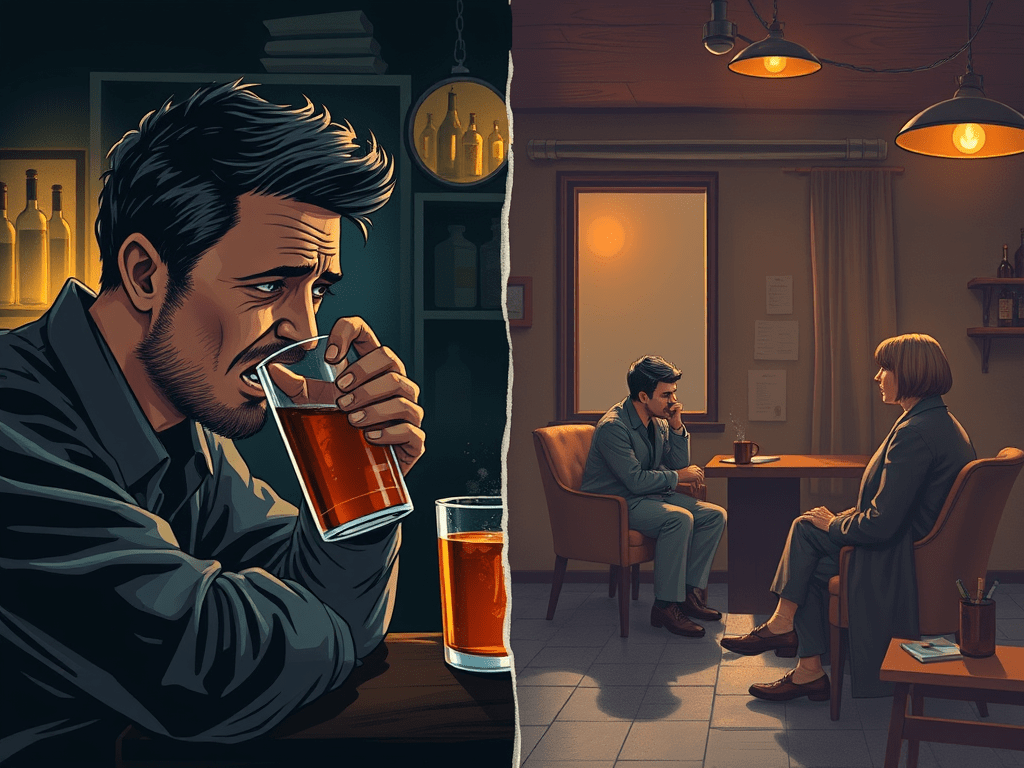
Therapeutic Reflections on the AA Big Book: Step One and the Brain Science Behind Powerlessness

If you’ve ever struggled with addiction—or loved someone who has—you’ve probably heard (or said) the words:

“Why can’t I just stop?”
“Why isn’t willpower enough?”
“I know drinking/drugs are destroying my life… so why do I keep doing it?”

These questions break people emotionally before the substance ever does. They create shame, isolation, and a belief that you’re “weak,” “broken,” or “not trying hard enough.”

Step One of the AA Big Book offers a powerful, liberating reframe:
addiction is not a moral failure—it’s a loss of control rooted in the brain, body, and nervous system.

Today’s blog breaks down Step One—“We admitted we were powerless over alcohol—that our lives had become unmanageable”—and looks at it from both the lens of the AA tradition and modern brain science.


1. What Step One Actually Means (And What It Doesn’t)

Many people misunderstand Step One. They think “powerless” means:

  • “I’m helpless,”
  • “I’m weak,”
  • “I have no control over my life,”
  • “I can’t make choices.”

But Step One is not about helplessness—it’s about honesty.

It’s acknowledging a painful truth:

Once the substance is in the body, the ability to control use is gone.

Powerlessness doesn’t mean you can’t make decisions.
It means you can’t reliably control what happens after the first drink or hit.

This is the turning point where healing starts.


2. The Brain Science Behind “Powerlessness”

AA language was created before neuroscience existed, but the Big Book’s description still lines up with what research shows today.

When someone has a substance use disorder, the brain changes in three key areas:


1. The Reward System (Dopamine)

Substances overstimulate the pleasure pathways by up to 10 times more dopamine than natural rewards like food, connection, or accomplishment.

Over time, the brain becomes rewired to prioritize the substance above all else—even your goals, relationships, and safety.

This is not a conscious choice. It’s conditioning at the neurological level.


2. The Prefrontal Cortex (“The Stop Button”)

This is the part of the brain responsible for:
✅ decision-making
✅ impulse control
✅ planning
✅ resisting urges

Substances weaken this region. This is why people often say things like:

  • “I swore I wouldn’t drink today…”
  • “I don’t even know how I ended up using.”
  • “I meant it when I said I’d stop.”

Their intention was real, but their impaired prefrontal cortex could not follow through.


3. The Stress System (Fight-or-Flight Mode)

When someone tries to quit, the stress and anxiety systems become overactive.
This leads to:

  • irritability
  • restlessness
  • emotional flooding
  • cravings
  • feeling like “I can’t handle life sober”

The substance temporarily soothes this discomfort—so the cycle continues.

This is why Step One is so liberating.
You’re not “crazy.” You’re not “weak.” Your brain is responding exactly as it’s been conditioned.


3. Why Willpower Alone Fails (And Why That’s Okay)

Many clients tell me:

“I should be able to control myself.”
“Other people can drink normally.”
“This is my fault.”

Here’s the truth:
Willpower can’t compete with a brain wired for addiction.

Imagine trying to relax with a fire alarm blaring in your ear.
That’s the internal experience of craving.

Step One is an act of self-compassion:
“My brain is not the enemy. It’s doing what it was conditioned to do.”

You can’t out-discipline a neurological pathway.
But you can retrain your brain with recovery tools.


4. Two Client Examples

Maria: “The Social Drinker Who Isn’t So Social Anymore”

Maria promised herself she’d only have one drink at a birthday dinner.
But once she started, the old pattern kicked in:

  • one turned into six
  • she missed work the next day
  • she felt ashamed and confused

She told me, “I meant it when I said I’d only have one. Why can’t I control myself?”

Step One helped her see the truth:
Her brain doesn’t respond to alcohol like other people’s brains do.


Jason: “The Functional Professional”

Jason held a high-pressure job and believed he could “power through anything.” His drinking escalated during stress. He could stop for a bit, but never stay stopped.

He saw powerlessness as weakness—until we reframed it.
We explored how his brain was conditioned to associate relief with alcohol.

Accepting Step One helped him release guilt and start real healing.


5. Therapy + Step One: A Powerful Combination for Recovery

Step One identifies the problem.
Therapy helps build the solution.

CBT (Cognitive Behavioral Therapy)

Helps clients challenge distorted beliefs such as:

  • “I should be able to control this.”
  • “Relapse means I’m a failure.”

Grounding & Mindfulness

Teaches emotional regulation so clients don’t turn to substances for relief.

Relapse Prevention Planning

Identifies triggers, patterns, and early warning signs.

Motivational Interviewing

Supports clients who feel uncertain about change.

Trauma-Informed Counseling

Addresses the emotional wounds that often fuel addiction in the first place.


6. Step One as a Form of Freedom

Powerlessness sounds scary at first. But in recovery, it becomes liberating.

It means:

  • You’re not the problem.
  • You don’t have to fight this alone.
  • You can let go of impossible expectations.
  • You can stop blaming yourself.
  • There is a proven path forward.

Many clients tell me that Step One was the first time they felt relief instead of shame.


7. Reflection Questions for You

If you’re reading this and exploring recovery, consider:

  • When have I tried to control my use and been unable to?
  • How do my thoughts change when I drink or use?
  • What patterns feel “automatic” and outside my control?
  • What would it feel like to admit I need help—not because I’m weak, but because my brain has been altered?
  • What support could I reach for today?

You don’t have to know the answers yet.
Curiosity is enough.


8. Final Thoughts: You’re Not Broken—Your Brain Is Overwhelmed

Step One isn’t about defeat. It’s about clarity.

Understanding the science behind addiction helps remove shame.
Understanding the spiritual and emotional layers helps rebuild hope.

If you remember one thing from this blog, let it be this:

You are not powerless as a person.
You are powerless over the chemical once it’s in your body.
And recognizing that truth is how recovery begins.


✅ If this topic helped you…

✔️ Leave a comment
✔️ Share with someone in recovery

Therapeutic Reflections on the AA Big Book: Understanding The Doctor’s Opinion

When people first open the AA Big Book (4th Edition), many skip over The Doctor’s Opinion, not realizing that this short section contains one of the most important foundations for understanding addiction. As a mental health counselor who specializes in substance use, I’ve seen how powerful this section becomes when we explain it in modern language.

If you’re in recovery, supporting a loved one, or simply curious about why addiction is so complex, this blog breaks down the key ideas in simple, compassionate, and science-informed language.

This post is part of an ongoing series where I read the AA Big Book and share insights from both the book and the counseling world.


✅ What The Doctor’s Opinion Actually Says

The Doctor’s Opinion was written by Dr. William Silkworth, one of the early physicians who treated people with alcohol addiction. His central message is this:

👉 People with addiction react differently to alcohol than people without addiction.
When they take the first drink, something triggers — what he called a “phenomenon of craving.”

This idea was groundbreaking for its time. Instead of blaming addiction on “weakness,” Silkworth saw it as a medical condition involving two parts:

1. A Physical Allergy (the body reacts differently)

When someone with alcohol addiction drinks, they don’t experience a normal response.
They experience:

  • Craving
  • Loss of control
  • Compulsion to continue

Today, neuroscience confirms this. Alcohol impacts the reward system, dopamine pathways, and the prefrontal cortex — the part of the brain responsible for decision-making.

2. A Mental Obsession (the mind keeps bringing them back)

Even when someone desperately doesn’t want to drink, their mind pushes them toward it.
This mental obsession is:

  • intrusive
  • persistent
  • irrational
  • overwhelming

The AA Big Book describes it as a loop that feels impossible to break alone.

Silkworth wrote:
“…the patient is completely unable to bring into consciousness with sufficient force the memory of the suffering and humiliation of even a week or a month ago.”

Modern psychology calls this “state-dependent memory” — when cravings rise, logic and consequences feel distant or invisible.


✅ How This Relates to Clients Today

In therapy, I hear versions of Dr. Silkworth’s description all the time:

  • “Once I start, I don’t stop.”
  • “I don’t know why I picked up — I told myself I wouldn’t.”
  • “I forgot how bad it was.”
  • “It’s like a switch flips.”

These statements are not character flaws — they’re symptoms of a real condition that affects both the body and the brain.

This is why guilt and shame are so heavy in addiction.
People blame themselves for something the brain literally hijacks.

Understanding this helps clients release the belief that they are “broken,” “weak,” or “hopeless.”


✅ Why Willpower Alone Doesn’t Work (And Was Never Meant To)

One of the biggest myths in recovery is the idea that people simply need stronger willpower.
But The Doctor’s Opinion makes it clear:

👉 Addiction lives in the parts of the brain that willpower can’t access during cravings.

When cravings are activated:

  • impulse control decreases
  • emotional reasoning takes over
  • the brain prioritizes relief over logic

This is why strategies like “just say no” or “try harder” don’t work for someone with addiction.

It’s also why AA’s structure emphasizes community, support, and spiritual or mental grounding.

And it’s why therapy focuses on:

  • coping skills
  • grounding practices
  • cognitive restructuring
  • relapse prevention
  • emotional regulation
  • accountability

Recovery requires tools, not force.


✅ A Client Example

To protect privacy, this example is a blend of several clients.

“James” came to treatment saying, “I don’t understand myself. I’m educated, I have a job, I have kids. Why can’t I stop?”

He could go a week or two without drinking, but every relapse looked the same:

  1. Stress at work
  2. Feeling overwhelmed
  3. “Maybe one drink won’t hurt”
  4. A two-day binge

He blamed himself every time.
But after reading The Doctor’s Opinion, something clicked:

“It’s not that I’m weak. My brain reacts differently.”

This reframe allowed him to step out of shame and into action — something I see again and again.

When clients understand the nature of addiction, recovery becomes less about beating themselves up and more about working with their brain instead of against it.


✅ What Modern Science Adds

Even though AA was written decades ago, much of The Doctor’s Opinion aligns with what we now know about addiction, including:

Dopamine hijacking

Alcohol floods the brain with dopamine, reinforcing the behavior.

Conditioned responses

Certain environments trigger cravings automatically.

Impaired prefrontal cortex

Decision-making is compromised during cravings, especially in early recovery.

Stress response sensitivity

People with addiction often have overactive stress systems, making substances feel like relief.

The Big Book’s early insights are now supported by MRI studies, neurobiology, and trauma research.


✅ Practical Tools: What You Can Do With This Information

1. Practice “The Pause”

Before drinking, using, or acting on impulse:
Stop → Breathe → Name the feeling → Choose intentionally.

Even 10 seconds can interrupt the craving spiral.

2. Build a Trigger List

Know your top 5 triggers.
Common ones include:

  • loneliness
  • stress
  • conflict
  • boredom
  • celebrations
  • certain people

Awareness = prevention.

3. Create a Support Plan

Recovery is not meant to be done alone.
Include:

  • a meeting
  • a sponsor or mentor
  • one sober friend
  • a therapist
  • one daily routine

4. Use “Replacement Rituals”

Alcohol becomes a ritual — so create new ones:

  • tea instead of wine
  • walk instead of drink
  • breathwork before bed
  • journaling to release stress

Small rituals create big change.


✅ Final Thoughts

If you’ve ever wondered why you drink when you don’t want to, or why stopping feels impossible after the first drink, The Doctor’s Opinion offers compassion and clarity.

Addiction is not a moral failure — it’s a condition that needs support, structure, and healing.

In this blog series, I will continue reading the AA Big Book (4th Edition) and breaking down each section with tools, insights, and real-life applications. My hope is that this makes the journey feel less overwhelming and more empowering.


✅ If this topic helped you…

✔️ Leave a comment
✔️ Share with someone in recovery

🎃 Sober, Spooky, and Strong: How to Enjoy Halloween Without Using

Halloween in Miami is no joke—between wild parties, costume contests, and endless events, it can be a tempting time for anyone in recovery. But here’s the truth:

You don’t need drugs or alcohol to enjoy October. You just need a plan.

Whether you’re newly sober or have a few Halloweens under your recovery belt, this blog is here to help you:

  • Cope with peer pressure and triggers
  • Discover Miami’s sober-friendly events
  • Learn simple tools to stay grounded
  • Have real fun—no hangover required

👻 Why Halloween Can Feel Hard When You’re in Recovery

Let’s be real—holidays like Halloween are often centered around:

  • Parties with alcohol
  • People letting loose or overindulging
  • Disguising pain behind masks, costumes, or substances

If you’re in recovery, all of that can stir up some serious feelings:
😬 “Everyone else gets to have fun.”
😔 “I don’t want to feel left out.”
😵‍💫 “I’m triggered just seeing my old friends party again.”

But these thoughts aren’t facts. They’re invitations to check in with your coping tools—and remember your purpose.


🧠 Coping With Cravings and Pressure

Whether it’s pressure from friends or pressure from inside your own mind, here are simple ways to stay grounded:

1. Have an Exit Plan

Before you go anywhere (even a “sober” event), ask yourself:

  • What’s my boundary?
  • Who can I call if I feel overwhelmed?
  • How will I leave if I need to?

🚪 Having a way out is power—not weakness.

2. Bring a Sober Buddy

Everything is easier when you have someone by your side. Bring a friend who understands your goals—or go to events where sober support is built-in.

3. Practice “The Pause”

When a craving or emotion hits hard, pause and ask yourself:

  • “What do I really need right now?”
  • “What will using actually solve?”
  • “What happens if I wait 15 minutes?”

Most cravings fade. The pause gives you back your power.


🎉 Miami Sober-Friendly Halloween Events (2025)

Yes, you can still dance, dress up, and have a blast—without picking up. Here are a few fun and substance-free things to check out:

🔹 Sober Soirée Halloween Bash – Hosted by a local recovery group (check Meetup or Eventbrite), this costume party is clean, fun, and full of connection.

🔹 Zoo Miami’s Halloween Howl-O-Ween – Family-friendly fun with trick-or-treating, costume contests, and zero pressure.

🔹 Pumpkin Patches & Fall Markets – Check out Pinto’s Farm or Little Farm Miami for pumpkin picking, hayrides, and wholesome vibes.

🔹 AA or NA Halloween Meetings – Some 12-step groups host themed meetings, costume contests, and dances. Check your local intergroup website.

Don’t see something you like? Host your own! Movie night, pumpkin painting, horror games, or a “mocktail” tasting can turn your space into a sober sanctuary.


🧰 Simple Coping Tools You Can Use All Month Long

✋ 5-4-3-2-1 Grounding Trick

Overwhelmed? Anxious? Try this sensory tool:

  • 5 things you can see
  • 4 things you can touch
  • 3 things you hear
  • 2 things you smell
  • 1 thing you taste
    This pulls you back to the present—fast.

💬 Set a Mantra

Try one of these and repeat it when things get tough:

  • “I can do fun things sober.”
  • “A craving is not a command.”
  • “This feeling will pass.”

📱 Recovery Apps to Keep Handy

  • SoberTool (track cravings, get motivation)
  • I Am Sober (milestones + journal)
  • Insight Timer (guided meditations for anxiety & urges)

🧡 Real Talk: A Story of a Sober Mom

Meet “Lina”, a single mom in her 30s, 6 months sober. Last year, Halloween meant her kids running wild while she drank wine in the background—checked out, numb, and full of guilt.

This year, she made a change.

She planned a backyard Halloween movie night, complete with costumes, popcorn, and spooky music. She even invited a few other moms from her support group to join.

Lina didn’t miss the alcohol. She remembers the joy in her kids’ faces, not a hangover. She went to bed feeling proud—because she was present.


💡 You Deserve Joy—Sober Joy

You’re not boring because you’re sober. You’re not missing out. You’re building a life that’s real. A life you don’t have to numb.

Recovery isn’t just about saying “no” to using. It’s about saying “yes” to:

  • Laughing without guilt
  • Dancing without shame
  • Waking up proud, not panicked
  • Creating new memories that matter

💬 We Want to Hear From You!

What’s your biggest challenge during Halloween or the holiday season in recovery?
🎃 How do you stay strong and have fun this time of year?

👇 Drop a comment below and share your story, your survival tips, or your favorite sober Halloween ideas. You never know who you might help by speaking up.

The Impact of Halloween on Anxiety and Stress

Halloween festivities can be a significant source of anxiety and stress for those struggling with mental health and substance use issues. In Miami, FL, where substance use rates are high, understanding these triggers and having strategies in place is crucial. This guide offers practical tips to manage stress, stay safe, and enjoy Halloween sober.

As Halloween approaches, it’s important to acknowledge that this festive holiday, while fun for many, can be a significant source of anxiety and stress, particularly for those struggling with mental health and substance use issues. The combination of social events, costumes, parties, and the general atmosphere of Halloween can trigger various emotions and behaviors. In Miami, FL, where substance use rates are notably high, it’s crucial to be aware of these triggers and have strategies in place to manage them effectively.

Understanding the Impact of Halloween on Mental Health

Halloween can be overwhelming for several reasons:

  1. Social Pressure: The expectation to attend parties, dress in costumes, and socialize can be daunting for those with social anxiety or introverted personalities.
  2. Substance Use: Halloween parties often involve alcohol and other substances, which can be particularly challenging for individuals in recovery or those struggling with substance use disorders.
  3. Fear and Anxiety: The theme of fear, horror movies, and haunted houses can exacerbate anxiety disorders or PTSD.
  4. Change in Routine: The disruption of normal routines and the increased noise and activity can be stressful for many individuals.

Managing Halloween Triggers

Here are some practical tips to help manage anxiety and stress during Halloween:

  1. Plan Ahead: Decide in advance which events you will attend and which you will skip. It’s okay to say no to invitations that may put your mental health at risk.
  2. Set Boundaries: If you choose to attend events, set clear boundaries for yourself regarding substance use and social interactions.
  3. Stay Connected: Keep in touch with your support network. Let them know your plans and check in with them regularly.
  4. Practice Self-Care: Engage in activities that help you relax and unwind. This could be anything from a quiet night in with a good book to practicing mindfulness or yoga.
  5. Seek Professional Help: If the holiday season feels overwhelming, don’t hesitate to reach out to a mental health professional for support.

Celebrating Halloween Sober in Miami

If you’re looking to enjoy Halloween without the pressure of substance use, Miami offers plenty of sober-friendly activities:

  1. Sober Halloween Parties: Look for or organize a sober Halloween party. These gatherings focus on fun activities like costume contests, games, and music without the presence of alcohol or drugs.
  2. Community Events: Miami hosts numerous community events and festivals that are family-friendly and substance-free. Check local listings for events like Halloween parades, pumpkin patches, and fall festivals.
  3. Outdoor Activities: Enjoy the beautiful Miami weather by going on a Halloween-themed hike, visiting a haunted trail, or exploring local parks decorated for the season.
  4. Creative Alternatives: Host a movie night with Halloween classics, organize a themed potluck, or get crafty with pumpkin carving and spooky decorations at home.

Upcoming Holiday Triggers

As we move beyond Halloween, it’s important to remain vigilant about other upcoming holidays that can also trigger anxiety and substance use. Thanksgiving, Christmas, and New Year’s Eve are times of year that often involve social gatherings, increased stress, and the potential for substance use.

In conclusion, Halloween and the holiday season can be challenging for those struggling with mental health and substance use issues. By understanding the triggers and having strategies in place to manage them, you can navigate this time of year more safely and effectively. Remember, you are not alone, and there are resources and support available to help you through these times.

In Miami, FL, and beyond, staying informed and connected to your community is key to maintaining your mental health and well-being. Together, we can work towards a healthier, safer future for everyone.

Resources for Support

  • SAMHSA’s National Helpline: 1-800-662-HELP (4357)
  • Alcoholics Anonymous (AA) Miami: AA Miami
  • Narcotics Anonymous (NA) Miami: NA Miami

Shamrocks and Sobriety: Celebrating a Sober St. Patrick’s Day

Discover the magic of a sober St. Patrick’s Day! From fitness adventures to culinary explorations, join us in redefining celebrations with joy, camaraderie, and a touch of Irish spirit. Embrace the green without the need for alcohol – here’s to a memorable and meaningful St. Patrick’s Day in recovery!

As St. Patrick’s Day approaches, the excitement of this vibrant celebration fills the air. For those on the journey of recovery, it’s an opportunity to redefine the festivities without a drop of alcohol. As your mental health counselor, let’s explore creative and sober ways to make this St. Patrick’s Day memorable.

1. Pot of Gold Fitness: A Healthy Start

Kick off the day with a burst of energy! Gather some friends for a morning hike, a yoga class, or even a lively dance session. Starting the day with physical activity not only promotes well-being but also sets a positive tone for the celebrations ahead.

2. Sober Socials: Gathering with a Twist

Host a St. Patrick’s Day gathering with sober-themed activities. From board games and trivia to themed potluck dinners, creating an environment that celebrates camaraderie without alcohol can be both fun and fulfilling.

3. Culinary Adventures: A Feast for the Senses

Experiment with Irish-inspired cuisine! Try your hand at cooking traditional Irish dishes or explore healthier alternatives. Invite friends to join in the culinary adventure, turning meal preparation into a shared and enjoyable experience.

4. Luck of the Artistic: Express Yourself

Tap into your creative side with St. Patrick’s Day crafts. Whether it’s making DIY decorations or organizing a painting session, expressing yourself through art can be a therapeutic and enjoyable way to spend the day.

5. Community Spirit: Volunteer and Give Back

Consider giving back to the community by volunteering. Many local organizations host St. Patrick’s Day events that are family-friendly and alcohol-free. Joining a volunteer initiative not only contributes to a good cause but also provides a sense of purpose.

6. Nature’s Green: Outdoor Escapades

Connect with nature by organizing a group hike or picnic in a nearby park. The outdoors offer a refreshing and serene backdrop for celebrating St. Patrick’s Day, and it’s an excellent way to foster a sense of community among friends in recovery.

7. Reflect and Rejoice: A Gratitude Gathering

Gather with friends for an evening of reflection and gratitude. Share your recovery journey, express thanks for the supportive community, and celebrate the strides made toward a healthier, sober lifestyle.

8. Virtual Shenanigans: Connecting from Afar

For those unable to gather in person, leverage technology to connect virtually. Host a virtual game night, a themed Zoom call, or even a virtual dance party. Distance won’t dampen the spirit of celebration!

Conclusion: Soberly Embracing the Green

As we approach St. Patrick’s Day, let’s redefine the celebration, embracing the vibrant spirit without the need for alcohol. Whether it’s a fitness adventure, a culinary escapade, or a reflective gathering, there are countless ways to make this St. Patrick’s Day memorable, meaningful, and, most importantly, sober.

Wishing you a joyous and sober St. Patrick’s Day filled with laughter, camaraderie, and a touch of Irish magic!

Raising a Glass to Clarity: Embracing Dry January for Substance Use Awareness

Embark on a transformative journey this January with “Dry January.” Beyond the buzz, discover the physical, mental, and financial benefits of abstaining from alcohol. Explore moderation apps, online communities, and professional guidance to support your path. Share your experiences in the comments—let’s toast to new beginnings and a mindful, healthier lifestyle! 🌟

Cheers to a New Beginning!

As we usher in the New Year with a sense of hope and anticipation, many of us embark on a journey of self-improvement and personal growth. Amid the kaleidoscope of resolutions, one movement stands out, offering a unique opportunity for introspection and transformation: Dry January.

What’s Dry January?

Dry January is not just a catchy phrase; it’s a movement that encourages individuals to abstain from alcohol for the entire month of January. It’s more than just a health challenge; it’s an invitation to reassess our relationship with alcohol and cultivate a mindful approach to consumption.

The Benefits Beyond the Buzz

While the idea of a dry month might seem daunting, the potential benefits are truly worth toasting to:

  1. Physical Well-Being: Giving your body a break from alcohol can lead to improved sleep, enhanced energy levels, and even a clearer complexion.
  2. Mental Clarity: Alcohol affects our cognitive functions, and a month of abstinence can bring about increased focus, better mood regulation, and reduced anxiety.
  3. Financial Freedom: Consider the extra dollars in your pocket by skipping that evening cocktail. Dry January not only detoxes your body but also your budget.
  4. Social Reflection: Taking a step back from social drinking occasions allows for reflection on the role of alcohol in our social lives and how it may influence our connections.

Resources for the Journey

Embarking on a Dry January journey is a personal choice, and it’s essential to have the right support and resources. Here are some tools to help you along the way:

  1. Moderation Apps: Explore apps like “Moderation Management” or “I Am Sober” to track your progress, access community support, and set personal goals.
  2. Online Communities: Join online forums or social media groups focused on sobriety and the Dry January movement. Share your experiences, seek advice, and connect with others on a similar journey.
  3. Professional Guidance: If you find the journey challenging or have concerns about your relationship with alcohol, consider reaching out to a mental health professional or a substance use counselor for personalized support.

A Toast to New Beginnings

As we raise our glasses to the possibilities of a healthier, more mindful lifestyle, let’s also acknowledge the courage it takes to confront our habits and make positive changes. Whether you’re embracing Dry January or simply contemplating a reduction in alcohol consumption, every step toward self-awareness is a step in the right direction.

Cheers to Your Journey!

Now, it’s your turn! Have you ever participated in Dry January, or do you have tips for reducing alcohol consumption? Share your thoughts and experiences in the comments below. Let’s create a supportive space for growth and transformation. 🌟