
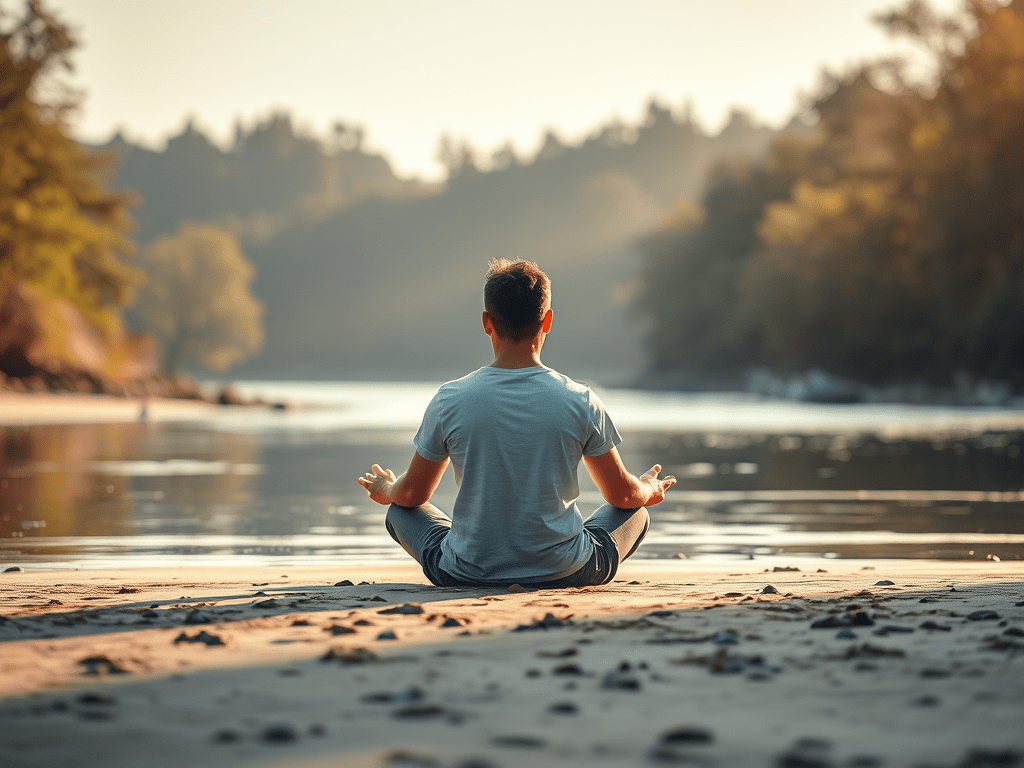
In recovery, we talk a lot about doing—going to meetings, attending therapy, rebuilding relationships, and staying busy to avoid triggers. But sometimes, the most powerful part of healing doesn’t come from doing.
It comes from pausing.
Taking a pause isn’t about laziness or giving up. It’s about giving yourself permission to slow down, breathe, and reconnect with what truly matters. In a world that tells us to move faster, achieve more, and stay productive, learning to pause—especially in recovery—is an act of strength, not weakness.
🧠 Why “The Pause” Matters in Recovery
When you’ve lived in survival mode—using substances to escape pain, anxiety, or emptiness—your mind and body become used to constant motion. Stopping feels uncomfortable. Silence can feel unbearable.
But here’s the truth: healing doesn’t happen in the rush—it happens in the stillness.
Pausing allows your nervous system to regulate, your thoughts to slow down, and your emotions to be felt instead of avoided. It helps you respond with intention rather than react from old patterns.
According to research from the Substance Abuse and Mental Health Services Administration (SAMHSA), people in recovery who practice mindfulness or other grounding exercises show lower relapse rates and reduced anxiety symptoms. The power of pause isn’t just emotional—it’s biological. Your brain and body literally begin to heal when you slow down.
🌬️ Giving Yourself Permission to Slow Down
Many of my clients tell me:
“If I slow down, I’ll lose control.”
“I don’t know how to rest.”
“I feel guilty if I’m not being productive.”
This mindset often comes from years of chaos, trauma, or unrealistic pressure to perform. But recovery asks for something new—grace.
You don’t have to do everything perfectly. You don’t have to heal overnight.
Sometimes, growth looks like giving yourself permission to move with intention, even if that means slowing your pace to a crawl.
The beauty of recovery is that you get to start small. Just a few minutes a day can begin to change your relationship with yourself.
🌞 Small Moments of Intention Make a Big Difference
You don’t need an hour-long meditation or a weeklong retreat to benefit from stillness. You can begin right where you are—with small, intentional rituals.
Here are a few that I often recommend in therapy sessions:
1. Breathe Before You Check Your Phone
Before reaching for your phone in the morning, take one deep breath. Feel the air move in and out of your lungs. This small pause reminds your brain that you are in control of your attention—not your phone, not the world, not your past.
2. Create a 5-Minute Ritual
It could be sipping coffee while watching the sunrise, lighting a candle at night, writing one sentence in a journal, or taking a mindful shower. The point is to give yourself a few moments of connection that belong only to you.
3. Pause Before You React
When you feel triggered, angry, or anxious, try saying silently:
“I can take a moment before I decide.”
That pause gives your brain space to move from reaction to intention, a powerful shift that supports your recovery.
🧘♀️ The Science Behind the Pause
When you pause—literally stop, breathe, and become aware—your brain moves from the fight-or-flight stress response into a calmer, rest-and-digest state.
This shift helps you think clearly, manage cravings, and stay grounded during difficult moments. It’s why practices like deep breathing, meditation, journaling, or even walking in silence are so effective for people in recovery.
A 2023 study in the Journal of Substance Abuse Treatment found that incorporating daily mindfulness or relaxation practices for just 10 minutes a day improved emotional stability and decreased relapse risk by over 25%.
In other words, small intentional pauses create long-term healing.
🌱 How Therapists Help Clients Relearn the Art of Stillness
As a mental health counselor, I help clients find what “pause” means for them. For one person, it might be journaling. For another, it could be sitting quietly in nature or practicing gratitude.
Therapy creates a space where it’s safe to slow down, reflect, and feel without judgment. Together, we work on:
- Recognizing when you’re overwhelmed or overstimulated
- Identifying what emotions you might be avoiding
- Creating new habits that help you respond with calm awareness
You don’t have to know how to do this perfectly. Therapy is where you learn how to pause.
💖 A Client Story: Learning to Breathe Again
One of my clients, Sofia (name changed), had been sober for eight months when she told me she felt “burnt out by recovery.” She was doing everything right—meetings, therapy, journaling—but felt exhausted.
We started small. I encouraged her to spend two minutes each morning just breathing before checking her phone.
At first, she said it felt silly. But over time, she began to notice a difference. Those two minutes helped her feel calmer and more grounded. She started to add other small pauses—five minutes of stretching after work, sitting quietly before bed.
A few months later, she said,
“It’s like I finally caught up with myself.”
That’s the power of pause—it reconnects you to yourself in a world that keeps pulling you away.
🌻 Start With Just a Few Minutes
You don’t need to overhaul your life to start moving with intention. Begin small.
✨ One pause before a text.
✨ One deep breath before you speak.
✨ One quiet moment before you begin your day.
Over time, these small moments build into something powerful—a life that feels calm, conscious, and connected.
Recovery is not just about staying sober. It’s about reclaiming your time, your peace, and your power.
So today, take a pause. Not because you’ve earned it—but because you deserve it.
💬 Your Turn
What’s one small way you can pause today?
☕ Is it sipping your coffee in silence?
🌅 Watching the sunrise?
📵 Breathing before checking your phone?
Share your pause ritual in the comments below. You might inspire someone else who’s just beginning their journey.
 Counseling Carmen