
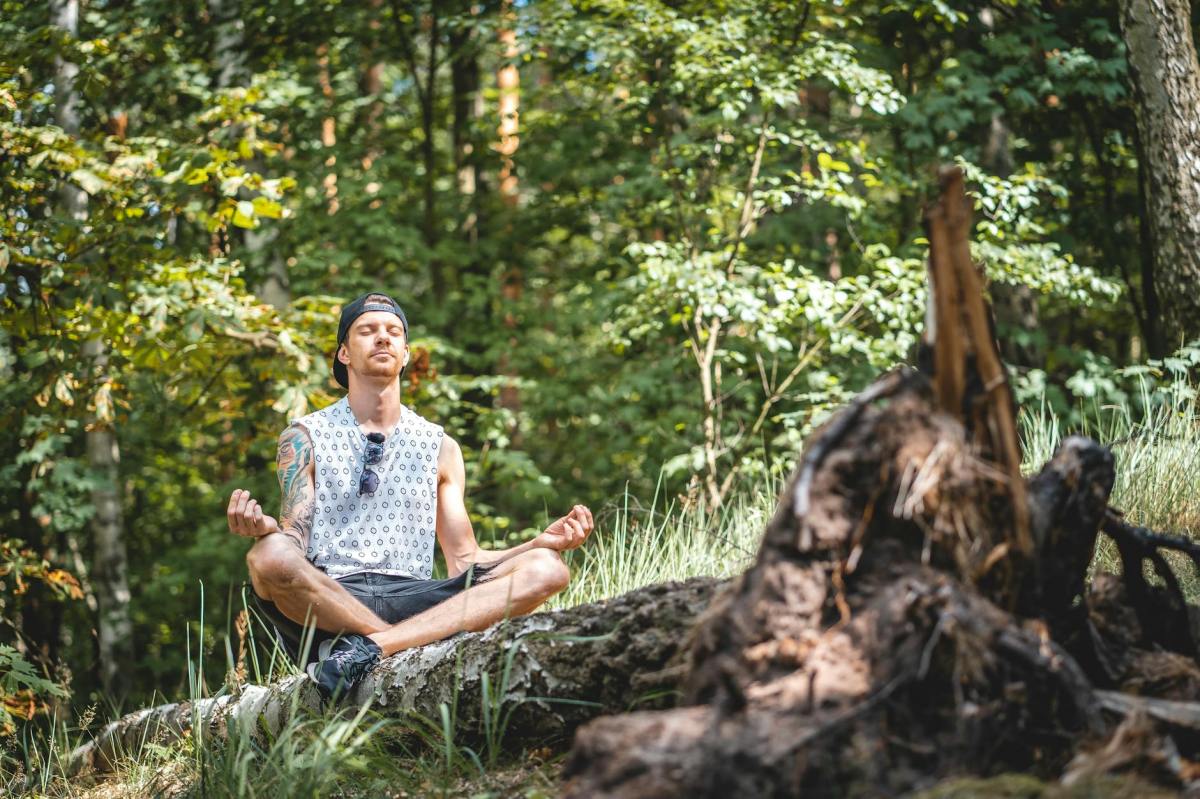
Taking care of your mental health is just as important as taking care of your physical health. As a mental health counselor, I’ve seen firsthand the positive impact that self-care routines can have on well-being. Whether you’re dealing with anxiety, depression, or other mental health issues, incorporating self-care into your daily life can make a significant difference. Let’s explore some simple yet effective self-care activities like exercise, mindfulness, and hobbies that can help you maintain a positive mindset.
Why Self-Care Matters
Self-care is about taking the time to do things that help you live well and improve both your physical health and mental health. It’s about recognizing your needs and taking steps to meet them. According to the World Health Organization (WHO), self-care is crucial for maintaining good health and well-being.
Benefits of Self-Care
- Reduces Stress: Engaging in self-care activities can lower your stress levels. Stress is a common trigger for mental health issues, so managing it effectively is essential.
- Boosts Mood: Activities that you enjoy can release endorphins, the body’s natural mood elevators, which can help combat feelings of depression and anxiety.
- Improves Physical Health: Regular self-care can lead to better physical health, which is closely linked to mental health. For example, exercise can improve your mood and energy levels.
Self-Care Activities to Try
1. Exercise
Physical activity is one of the best ways to improve your mental health. Studies have shown that regular exercise can reduce symptoms of depression and anxiety. You don’t need to run a marathon; even a 30-minute walk can make a big difference. Here are some ideas to get you moving:
- Walking: A daily walk can help clear your mind and boost your mood.
- Yoga: This combines physical activity with mindfulness, helping to reduce stress and improve flexibility.
- Dancing: Put on your favorite music and dance around your living room. It’s a fun way to get your body moving and lift your spirits.
2. Mindfulness and Meditation
Mindfulness involves focusing on the present moment and accepting it without judgment. It’s a powerful tool for managing stress and anxiety. According to the American Psychological Association, mindfulness can improve overall well-being and reduce symptoms of mental health issues. Here are some ways to practice mindfulness:
- Meditation: Spend a few minutes each day sitting quietly and focusing on your breath. There are many apps and online resources to guide you.
- Deep Breathing: Practice deep breathing exercises to calm your mind and body.
- Gratitude Journaling: Each day, write down three things you’re grateful for. This can help shift your focus from negative thoughts to positive ones.
3. Hobbies and Creative Outlets
Engaging in activities you enjoy can provide a sense of accomplishment and joy. Hobbies can distract your mind from stress and provide a break from daily pressures. Consider these options:
- Gardening: Tending to plants can be a soothing and rewarding activity.
- Art and Craft: Drawing, painting, knitting, or any other creative activity can be therapeutic.
- Reading: Losing yourself in a good book can be a great way to relax and escape from stress.
Making Self-Care a Habit
Incorporating self-care into your daily routine doesn’t have to be overwhelming. Start small and gradually build up. Here are some tips to help you get started:
- Schedule It: Set aside specific times in your day for self-care activities. Treat these appointments with yourself as non-negotiable.
- Be Kind to Yourself: Don’t be too hard on yourself if you miss a day. Self-care is about doing what you can, when you can.
- Listen to Your Body: Pay attention to what your body and mind need. Some days you might need a vigorous workout, while other days a quiet meditation might be more beneficial.
In conclusion, taking the time to care for yourself is not a luxury; it’s a necessity. By incorporating activities like exercise, mindfulness, and hobbies into your routine, you can support your mental health and improve your overall well-being. Remember, self-care is a journey, and it’s okay to take it one step at a time. Prioritize yourself, and you’ll be better equipped to handle life’s challenges.
By focusing on self-care, you can create a foundation for better mental health. So start today, and make self-care a regular part of your life!
References
- World Health Organization. (2020). Self-care interventions for health.
- American Psychological Association. (2021). The benefits of mindfulness.
- Mayo Clinic. (2021). Exercise and stress: Get moving to manage stress.

 Counseling Carmen