
Understanding and Managing Holiday Triggers: A Guide for Those in Recovery

As the holiday season approaches, individuals in recovery from substance use disorders face unique challenges and triggers. From social gatherings to increased stress and feelings of loneliness, the holidays can be a difficult time. Understanding these triggers and learning how to manage them is crucial for maintaining sobriety and mental well-being. In Miami, FL, where substance use rates are notably high, it’s important to stay informed and connected to community resources. This guide offers practical tips to help navigate the season while staying on the path to recovery.

As the holiday season approaches, many people look forward to celebrations, family gatherings, and festive events. However, for individuals in recovery from substance use disorders, this time of year can be particularly challenging. Halloween, Thanksgiving, Christmas, and New Year’s bring a unique set of triggers that can threaten sobriety and mental well-being. In Miami, FL, where substance use rates are notably high, it is crucial to understand these triggers and learn effective strategies to manage them. This guide aims to provide practical tips for navigating the holiday season while maintaining recovery.

The Holiday Triggers

1. Social Gatherings and Parties

  • Trigger: Social events often involve alcohol and can create pressure to participate.
  • Tip: Plan ahead by attending gatherings with a sober friend, bringing your own non-alcoholic beverages, or choosing to skip events that feel too risky.

2. Stress and Anxiety

  • Trigger: The holidays can increase stress due to financial pressures, family dynamics, and busy schedules.
  • Tip: Practice stress-reduction techniques such as mindfulness, meditation, and regular exercise. Set boundaries to protect your mental health.

3. Loneliness and Isolation

  • Trigger: Feelings of loneliness can intensify during the holiday season, especially if you are estranged from family or have lost loved ones.
  • Tip: Connect with supportive friends or recovery groups, volunteer, or participate in community events to foster a sense of belonging.

4. Memories and Traditions

  • Trigger: Holiday traditions and memories can evoke strong emotions, sometimes leading to nostalgia or grief.
  • Tip: Create new traditions that align with your recovery goals. Focus on the present and make positive new memories.

Practical Tips for Managing Holiday Triggers

1. Develop a Plan

  • Tip: Work with your therapist or counselor to develop a relapse prevention plan. Identify your triggers and have a list of coping strategies ready.

2. Stay Connected

  • Tip: Regularly attend support group meetings, such as Alcoholics Anonymous (AA) or Narcotics Anonymous (NA), especially during the holidays. Reach out to your sponsor or a trusted friend if you need support.

3. Set Realistic Expectations

  • Tip: The holidays do not have to be perfect. Focus on what you can control and let go of unrealistic expectations.

4. Practice Self-Care

  • Tip: Prioritize activities that support your well-being, such as adequate sleep, healthy eating, exercise, and relaxation techniques.

5. Avoid High-Risk Situations

  • Tip: If certain places or people are associated with past substance use, avoid them. Choose environments where you feel safe and supported.

6. Have an Exit Strategy

  • Tip: If you find yourself in a triggering situation, have a plan to leave. Drive your own car or have a transportation app ready so you can exit if needed.

7. Engage in New Activities

  • Tip: Explore new hobbies or activities that do not involve substances. This can help distract you from cravings and build a healthier lifestyle.

Looking Ahead: A Healthier Holiday Season

The holiday season, while filled with potential triggers, can also be a time of joy and connection. By understanding your triggers and preparing strategies to manage them, you can navigate this challenging time while maintaining your recovery. Remember, seeking help is a sign of strength. Utilize local resources in Miami, such as community support groups and mental health services, to support your journey.

Together, we can overcome the challenges of the holiday season and continue on the path to recovery.
Resources for Support

  • SAMHSA’s National Helpline: 1-800-662-HELP (4357)
  • Alcoholics Anonymous (AA) Miami: AA Miami
  • Narcotics Anonymous (NA) Miami: NA Miami

The Stronger Allure: How Pornography Triggers the Brain More Than Gaming or Money

Recent research reveals that pornography triggers stronger brain reward responses than gaming or money. This finding helps us understand why porn can be so addictive and its potential impact on mental health. Learn about the brain’s reward system and discover practical tips for managing internet use and maintaining mental well-being.

Understanding how different stimuli affect our brains is crucial, especially for those struggling with mental health issues. Recent research published in Human Brain Mapping reveals that pornography triggers stronger brain reward responses than both gaming and monetary stimuli. Let’s delve into these findings and their implications.

The Brain’s Reward System

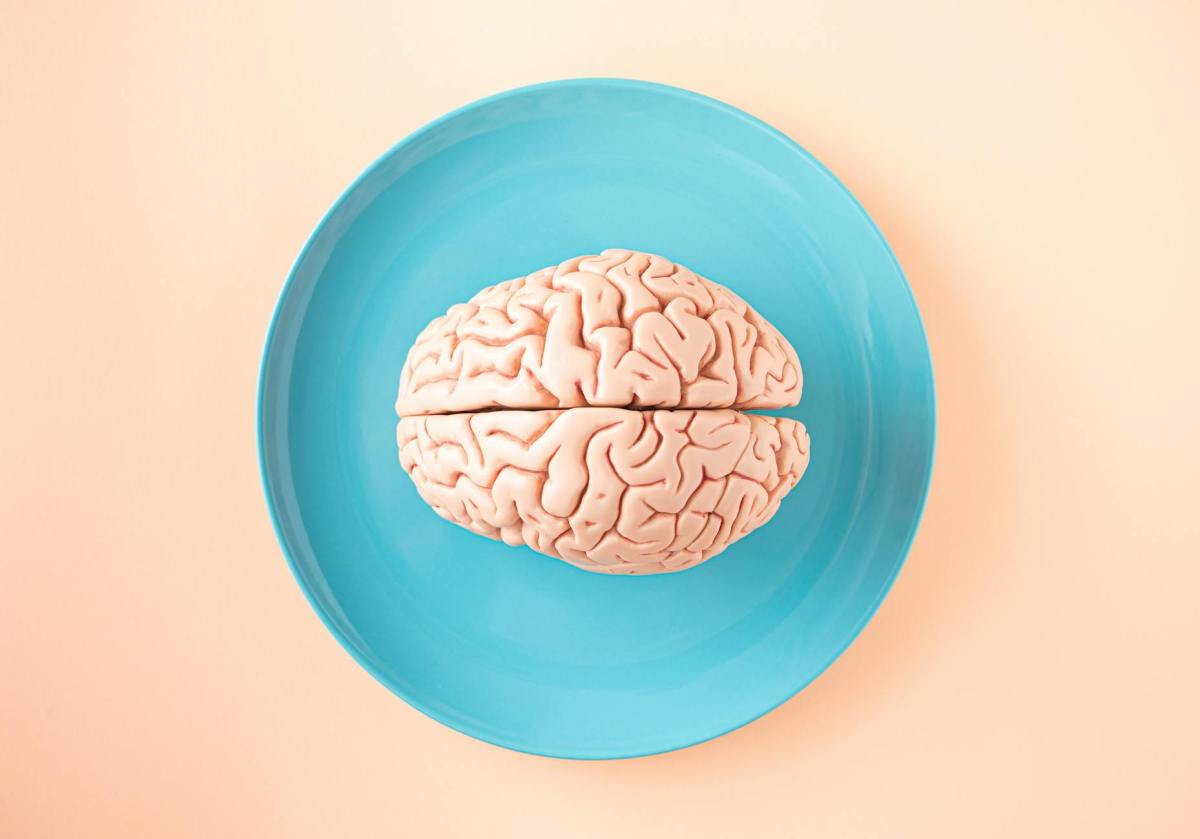
Our brains have a reward system that responds to various stimuli by releasing dopamine, a neurotransmitter associated with pleasure and reinforcement. This system helps us learn which behaviors are beneficial, but it can also contribute to addictive behaviors.

Key Findings from the Study

The study involved 31 healthy men who participated in a conditioning experiment. They were shown images related to pornography, gaming, and money while their brain activity was monitored using functional MRI (fMRI). The results were compelling:

  1. Stronger Response to Pornography: Pornographic images elicited a stronger response in key brain areas associated with reward, including the nucleus accumbens and orbitofrontal cortex. These areas showed heightened activity, indicating a stronger reward response.
  2. Comparison with Gaming and Money: While gaming and monetary stimuli also triggered reward responses, they were significantly weaker compared to pornography. This suggests that pornography has a unique and powerful effect on the brain’s reward system.
  3. Subjective Ratings and Physiological Responses: Participants rated pornographic stimuli as more arousing and pleasant than gaming or monetary images. These subjective experiences were backed by physiological measures, such as increased skin conductance, indicating higher arousal levels.

Implications for Mental Health

For individuals struggling with mental health issues, understanding these findings can be crucial. Here are some key takeaways:

  1. Risk of Addiction: The strong reward response to pornography can make it highly addictive. Recognizing this risk is important for managing and seeking help for problematic internet use.
  2. Impact on Well-being: Excessive consumption of pornography can impact mental health, leading to issues like anxiety, depression, and relationship problems. Awareness and moderation are key to maintaining balance.
  3. Comparing Different Rewards: Knowing that different stimuli affect the brain’s reward system in varying ways can help individuals make informed choices about their activities and habits. Opting for activities with a less intense reward response, like gaming or other hobbies, may be beneficial.

Practical Advice

  1. Moderation is Key: Be mindful of how much time you spend on activities that trigger strong reward responses, like watching pornography. Set limits and find alternative activities that you enjoy.
  2. Seek Support: If you find it challenging to manage your consumption of pornography or if it’s affecting your mental health, seek support from a mental health professional. Therapy can help you develop healthier habits and coping strategies.
  3. Diversify Your Rewards: Engage in a variety of rewarding activities that promote well-being, such as exercise, socializing, and hobbies. This can help balance your brain’s reward system and improve overall mental health.

Conclusion

Understanding the powerful effect of pornography on the brain’s reward system highlights the importance of moderation and awareness. By making informed choices and seeking support when needed, individuals can better manage their mental health and maintain a balanced lifestyle.

References

  • Krikova, K., Klein, S., Kampa, M., Walter, B., Stark, R., & Klucken, T. (2024). Appetitive conditioning with pornographic stimuli elicits stronger activation in reward regions than monetary and gaming-related stimuli. Human Brain Mapping.