Prioritize You: How Self-Care Boosts Mental Health

Self-care is vital for maintaining mental health and overall well-being. Simple activities like regular exercise, mindfulness practices, and engaging in hobbies can make a big difference. By incorporating these self-care routines into your daily life, you can manage stress, boost your mood, and support your mental health more effectively.

Taking care of your mental health is just as important as taking care of your physical health. As a mental health counselor, I’ve seen firsthand the positive impact that self-care routines can have on well-being. Whether you’re dealing with anxiety, depression, or other mental health issues, incorporating self-care into your daily life can make a significant difference. Let’s explore some simple yet effective self-care activities like exercise, mindfulness, and hobbies that can help you maintain a positive mindset.

Why Self-Care Matters

Self-care is about taking the time to do things that help you live well and improve both your physical health and mental health. It’s about recognizing your needs and taking steps to meet them. According to the World Health Organization (WHO), self-care is crucial for maintaining good health and well-being.

Benefits of Self-Care

  1. Reduces Stress: Engaging in self-care activities can lower your stress levels. Stress is a common trigger for mental health issues, so managing it effectively is essential.
  2. Boosts Mood: Activities that you enjoy can release endorphins, the body’s natural mood elevators, which can help combat feelings of depression and anxiety.
  3. Improves Physical Health: Regular self-care can lead to better physical health, which is closely linked to mental health. For example, exercise can improve your mood and energy levels.

Self-Care Activities to Try

1. Exercise

Physical activity is one of the best ways to improve your mental health. Studies have shown that regular exercise can reduce symptoms of depression and anxiety. You don’t need to run a marathon; even a 30-minute walk can make a big difference. Here are some ideas to get you moving:

  • Walking: A daily walk can help clear your mind and boost your mood.
  • Yoga: This combines physical activity with mindfulness, helping to reduce stress and improve flexibility.
  • Dancing: Put on your favorite music and dance around your living room. It’s a fun way to get your body moving and lift your spirits.

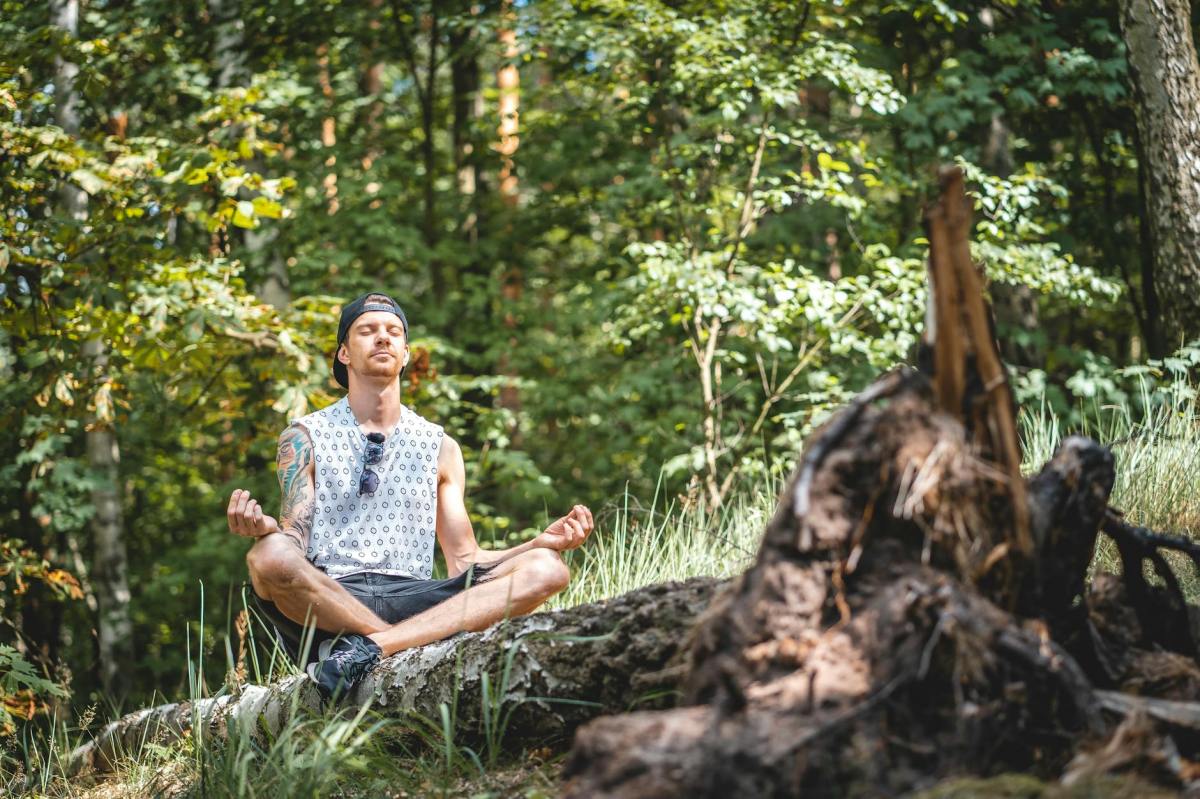
2. Mindfulness and Meditation

Mindfulness involves focusing on the present moment and accepting it without judgment. It’s a powerful tool for managing stress and anxiety. According to the American Psychological Association, mindfulness can improve overall well-being and reduce symptoms of mental health issues. Here are some ways to practice mindfulness:

  • Meditation: Spend a few minutes each day sitting quietly and focusing on your breath. There are many apps and online resources to guide you.
  • Deep Breathing: Practice deep breathing exercises to calm your mind and body.
  • Gratitude Journaling: Each day, write down three things you’re grateful for. This can help shift your focus from negative thoughts to positive ones.

3. Hobbies and Creative Outlets

Engaging in activities you enjoy can provide a sense of accomplishment and joy. Hobbies can distract your mind from stress and provide a break from daily pressures. Consider these options:

  • Gardening: Tending to plants can be a soothing and rewarding activity.
  • Art and Craft: Drawing, painting, knitting, or any other creative activity can be therapeutic.
  • Reading: Losing yourself in a good book can be a great way to relax and escape from stress.

Making Self-Care a Habit

Incorporating self-care into your daily routine doesn’t have to be overwhelming. Start small and gradually build up. Here are some tips to help you get started:

  • Schedule It: Set aside specific times in your day for self-care activities. Treat these appointments with yourself as non-negotiable.
  • Be Kind to Yourself: Don’t be too hard on yourself if you miss a day. Self-care is about doing what you can, when you can.
  • Listen to Your Body: Pay attention to what your body and mind need. Some days you might need a vigorous workout, while other days a quiet meditation might be more beneficial.

In conclusion, taking the time to care for yourself is not a luxury; it’s a necessity. By incorporating activities like exercise, mindfulness, and hobbies into your routine, you can support your mental health and improve your overall well-being. Remember, self-care is a journey, and it’s okay to take it one step at a time. Prioritize yourself, and you’ll be better equipped to handle life’s challenges.

By focusing on self-care, you can create a foundation for better mental health. So start today, and make self-care a regular part of your life!

References

  • World Health Organization. (2020). Self-care interventions for health.
  • American Psychological Association. (2021). The benefits of mindfulness.
  • Mayo Clinic. (2021). Exercise and stress: Get moving to manage stress.

Let’s Talk Therapy: A Therapist’s Guide to Navigating Substance Use and Mental Health

Discover when to seek therapy for substance use and mental health concerns. But wait, therapy isn’t just serious talk—it’s also about creative expression, mindfulness, and goal setting! Dive into our blog to explore fun and effective evidence-based techniques that’ll make therapy a joyous adventure.

Today, we’re diving into the world of therapy, substance use, and mental health. As a mental health therapist, I’ve had the privilege of guiding individuals through some of life’s toughest challenges, and one recurring theme I encounter is the intersection of substance use and mental health.

Let’s bust some myths and explore when it’s time to seek therapy for both substance use and mental health concerns. But first, grab your favorite beverage and let’s embark on this enlightening journey together!

Understanding Substance Use and Mental Health: The Connection

Did you know that substance use and mental health often go hand in hand? Yep, it’s true! Many individuals turn to substances as a way to cope with underlying mental health issues like anxiety, depression, or trauma. However, what starts as a temporary escape can quickly spiral into a full-blown struggle.

When to Seek Therapy: Signs and Signals

So, when is it time to hit up your friendly neighborhood therapist? Here are a few signs that therapy might be beneficial:

  1. You’re Using Substances as a Crutch: If you find yourself relying on substances to get through the day or cope with emotions, it’s time to explore healthier coping strategies.
  2. Your Mental Health is Suffering: Are you experiencing persistent feelings of sadness, anxiety, or hopelessness? Therapy can help you untangle the roots of these emotions and develop strategies to manage them.
  3. Your Relationships are Strained: Substance use and mental health issues can wreak havoc on your relationships. If your friendships, family ties, or romantic partnerships are suffering, therapy can provide a safe space to work through these challenges.
  4. You’re Ready for Change: The first step toward healing is often the hardest, but if you’re ready to make positive changes in your life, therapy can provide the support and guidance you need.

Making Therapy Fun and Effective

Okay, I know what you’re thinking: therapy sounds daunting and serious. But fear not, my friends! Therapy can actually be a fun and rewarding experience. From creative exercises to insightful discussions, therapy offers a myriad of tools to help you navigate life’s ups and downs.

As therapists, we understand that the journey toward mental wellness doesn’t have to be all serious conversations and solemn reflections. In fact, integrating evidence-based techniques (EBTs) into therapy sessions can add an exciting dimension to the process, making it both engaging and fulfilling. EBTs include:

1. Creative Expression: Ever tried your hand at art therapy or journaling? These creative outlets can be incredibly therapeutic. Whether you’re painting your emotions on canvas or jotting down your thoughts in a journal, creative expression can help you process your feelings and gain valuable insights.

2. Mindfulness and Meditation: Mindfulness practices are all the rage these days, and for good reason! Incorporating mindfulness and meditation into your therapy sessions can help you cultivate present-moment awareness and develop coping skills to manage stress and cravings.

3. Role-Playing: Who says therapy has to be all talk and no action? Role-playing exercises can help you practice new behaviors and communication skills in a safe, supportive environment. Plus, it’s a fun way to step into someone else’s shoes and gain a fresh perspective on your challenges.

4. Breathwork: Ah, the power of the breath! Breathwork techniques like diaphragmatic breathing or box breathing can help you regulate your emotions and calm your nervous system. Plus, they’re easy to learn and can be practiced anywhere, anytime – talk about a handy tool to have in your mental wellness toolkit!

5. Cognitive-Behavioral Strategies: Ah, good old CBT! Cognitive-Behavioral Therapy (CBT) is a tried-and-true approach to therapy that focuses on identifying and challenging unhelpful thoughts and behaviors. By learning to reframe negative thinking patterns and adopt healthier behaviors, you can create positive change in your life.

6. Goal Setting and Tracking: Who doesn’t love a good goal-setting session? Setting achievable goals and tracking your progress can help you stay motivated and focused on your journey toward mental wellness. Plus, it’s a great way to celebrate your victories – big or small!

The Call to Action: Let’s Start Talking

Alright, folks, here’s the deal: seeking therapy is nothing to be ashamed of. In fact, it’s a courageous step toward prioritizing your mental health and well-being. So, if you or someone you know is struggling with substance use or mental health issues, don’t hesitate to reach out for help. Together, we can break the stigma surrounding therapy and create a world where mental wellness is celebrated and prioritized.

Now it’s your turn! Share your thoughts in the comments below. Have you ever sought therapy for substance use or mental health concerns? What was your experience like? Let’s keep the conversation going and support one another on our journey to mental wellness!

Remember, you’re not alone. Let’s take the first step toward healing together. 🌟 #TherapyTalks #MentalWellness #BreakTheStigma

Mindful Moments in March: Illuminating Your Recovery Path

This March, we delve into the profound realm of mindfulness in recovery. Explore the therapeutic power of being present, learn practical tips, and draw inspiration from personal triumphs. Join us on this mindful march toward healing and discover the serenity that awaits in the present moment.

March has arrived, and with it comes the promise of renewal and growth. This month, let’s embark on a journey of self-discovery and healing through the power of mindfulness. As your trusted mental health counselor, I’m here to shed light on the incredible benefits of incorporating mindfulness into your recovery journey.

Understanding Mindfulness: A Beacon of Serenity

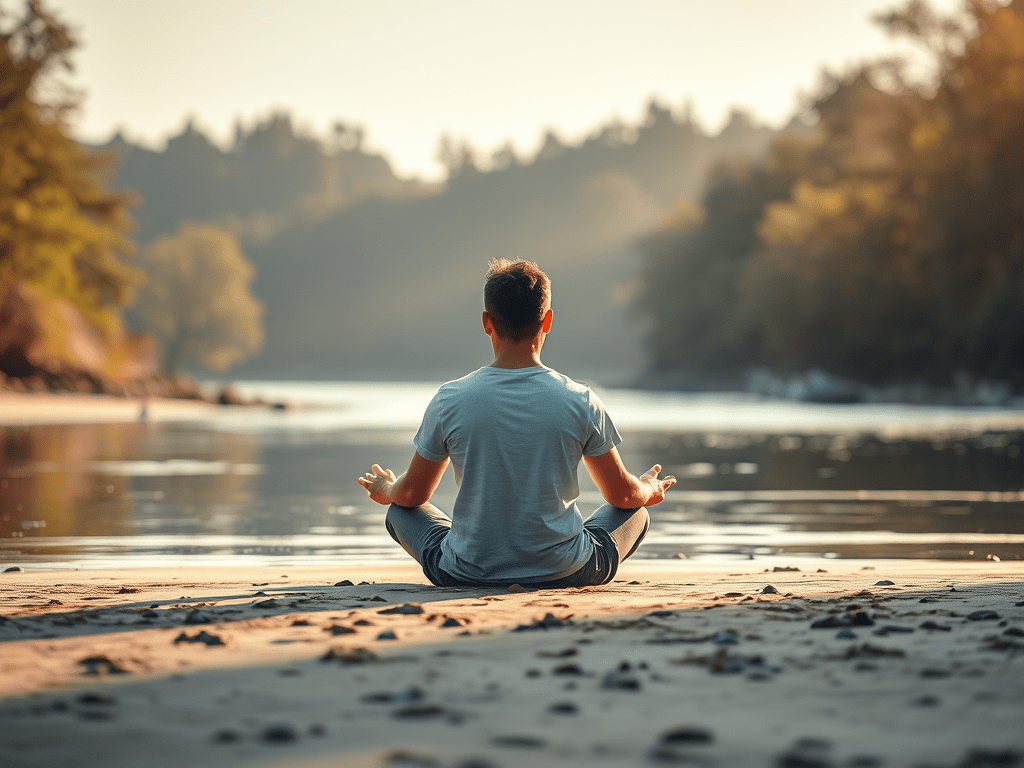
Mindfulness is more than just a buzzword; it’s a beacon of serenity in the storm of recovery. At its core, mindfulness is the art of being present in the moment, without judgment. It’s about embracing each moment with openness and curiosity, allowing us to navigate life’s challenges with grace.

The Benefits for Mental Health and Recovery

Now, you might be wondering, “How can mindfulness possibly help in my recovery?” Well, let me share some of the remarkable benefits:

  1. Reducing Stress: Mindfulness has been proven to lower stress levels, a crucial factor in maintaining mental well-being during the recovery process.
  2. Managing Cravings: By being present in the moment, you can gain better control over cravings and impulses, a game-changer in substance use recovery.
  3. Emotional Regulation: Mindfulness empowers you to observe your emotions without getting overwhelmed, fostering emotional resilience and stability.
  4. Improved Focus: Recovery often comes with a whirlwind of thoughts. Mindfulness sharpens your focus, allowing you to concentrate on what truly matters.

Tips for Incorporating Mindfulness into Your Daily Life

  1. Start Small: Begin with short mindfulness exercises. A few minutes of deep breathing or simple awareness can make a significant impact.
  2. Mindful Moments: Infuse mindfulness into everyday activities. Whether it’s eating, walking, or even washing dishes – savor each moment mindfully.
  3. Guided Meditations: Explore guided mindfulness meditations available online. There are plenty of resources that cater to various preferences and time constraints.
  4. Mindful Breathing: Focus on your breath, the simplest yet most profound mindfulness practice. Inhale and exhale consciously, allowing your mind to settle.

Personal Stories of Triumph

Let’s draw inspiration from those who’ve walked this path before. Sarah, a courageous soul in recovery, found solace in mindfulness during her darkest days. Through simple daily practices, she cultivated a sense of inner peace that became her anchor in the storm of recovery.

And then there’s Mark, who discovered that mindfulness wasn’t about eliminating thoughts but changing his relationship with them. It empowered him to face challenges head-on, armed with a newfound resilience.

Conclusion: Your Mindful March Awaits

As we step into this Mindful March, let’s embrace the potential for healing and growth that mindfulness offers. Remember, it’s not about perfection but progress. Your journey is uniquely yours, and mindfulness is a companion that walks beside you, guiding you toward a brighter, more present future.

Wishing you a month filled with mindful moments and profound self-discovery.

Mindfulness is the Answer!

Have you ever been talking to someone but your mind has made so many comments you lost track of the conversation and were unable to reply? Or have you ever been driving and realized you passed the street you had to turn on because you were caught up in your thoughts? We are consistently thinking, constantly analyzing to the point we function out of habit, “on autopilot.” day after day, We race to drop kids off, get to work, then back to pick up kids, get home, to cook, shower, sleep and repeat. Life becomes routine, it gets boring. Life is passing by us yet we’ve missed most of it.

The human mind capable of storing facts, faces and a range of information. It helps us solve small and big problems, an extraordinary problem solver it is. The mind can solve complex problems and be the ticket to success but it can also become our own enemy. Problem solving can turn to overthinking,worry and ruminating. It can create thoughts, all day, all night, everyday, endlessly. Thought after thought, the mind hijacks our attention; it takes us into the future, then throws us into the past, thinking and rethinking the “what if’s” and endless worrying that can lead to anxiety and depression.

Is there a way to stop the mind from thinking? from worrying? from chattering on and on? Yes, there is a way. Mindfulness.

John Kabat-Zinn, founder of the Stress Reduction Clinic at the University of Massachusetts Medical Center, defines mindfulness as “the awareness that arises through paying attention, on purpose, in the present moment and non-judgmentally.” Mindfulness is said to improve both mental and physical health; It helps relieve stress, depression and anxiety.

Mindfulness, in simplest terms, is paying attention, on purpose and connecting with the present moment. When you pay attention mindfully, you are able to enjoy each and every moment in the present as it happens. Washing dishes, showering or eating you completely engage and immerse yourself in the activity, noticing every detail and savoring every aspect of the activity. Staying present quiets the mind and releases you from future worrying and reliving past situations. Now, you can start to fully participate in your life, now, in the present moment.

So, how can you be mindfulness and begin living life? Here are 3 Simple mindfulness exercises you can begin practicing immediately, anywhere and anytime. Keep in mind, as you practice being mindful thoughts will show up. You may get thoughts you’re doing something wrong, this doesn’t work, I can’t do this, and so on. That’s ok, it’s normal. Just notice you had the thought and continue to breathe in and out.

Mindful breathing

Allow yourself to notice the flow of your natural breath, as the air comes in through your nostrils and goes out through your mouth….in…..out…..in….out. Now notice how your lungs expand as they fill with air when you inhale and deflate as you breathe out and exhale… inhale…….and exhale. Now notice how the abdomen rises as you breathe in and flattens as you breathe out. Allow your attention to gently ride each breath, not thinking about how you breathe, without the need to comment. Simply noticing your breath as you inhale…..and exhale.

5 senses

Start off noticing the natural flow of your breath. Lets turn your attention to one of your five senses….sight, hearing, touch, smell or taste. Allow yourself to look around the room and name 5 things that you see 1, 2, 3, 4, 5. Next, stay still and listen to the sounds around you. Name 5 things you hear for example the birds chirping, cars passing by, music playing. If there is music playing try to focus on specific instruments playing. Make it a point to distinguish between different beats or instruments. Try describing 5 different things you can touch, smell and taste.

Mindful walking

As you walk, focus your attention on any sensations felt throughout your body. Step by step, feel the contact each foot makes with the ground. Step by step notice which part of your foot strikes the ground first at the beginning of each step? Your toes…..your heel… Now, notice which part of your foot leaves the ground last at the end of each step? Toes…..heels……As you continue to walk and take one mindful step after another begin to notice how your knees bend as you walk, notice the flexing and contracting of your muscles in your calves, feeling any soreness or sensation that may arise. Next, notice your arms as they swing front and back….front and back. Notice how they lightly touch your hips as they swing back and forth. Don’t change anything about the way you walk, just notice even the slightest detail of how you walk.

Noticing or describing thoughts as they come and go can be added into any mindfulness exercise, for example, “ I am having the thought that..,” or you can silently note “thinking” and continue the exercise. You can name each individual feeling by name, for example “anger,” “boredom,” “happy.” When thoughts arise, You could use a phrase like, “it’s a thought.” You can be even more specific, and note your thoughts by categories, for example ‘judging’, ‘worrying’, ‘analyzing’, ‘remembering’, Or simply: ‘anxious thought’, ‘sad thought’, ‘neutral thought’; ‘thought about the future’, ‘thought about the past’ etc. If an emotion or feeling arises you can silently notice the feeling or emotion. You could use a phrase like, “it’s a feeling” or “I am feeling __.” Throughout the day be mindful and observe any thoughts or feelings that show up. This is useful and practical in the beginning of your mindful practice when you continuously get distracted by different thoughts, feelings or judgments. Remember, there is no right or wrong way to do this. The point is to practice and be mindful.

Begin your mindful practice today. Curiously Noticing your surroundings, becoming aware and opening up the possibilities right in front of you. Start Living life in the present moment.

Yesterday is history, Tomorrow is a mystery, Today is a gift.

Our true home is not in the past. Our true home is not in the future. Our true home is in the here and the now. Life is available only in the here and the now, and it is our true home.~thich nhat hanh~