
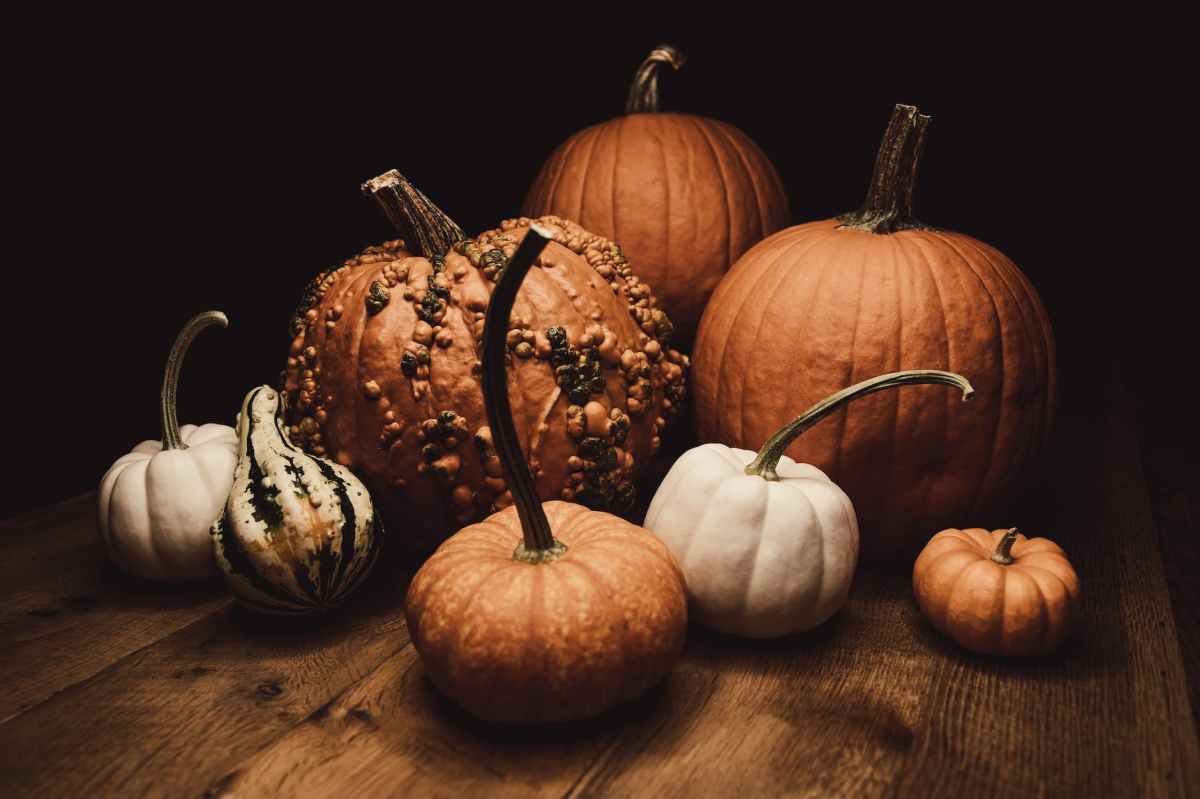
Halloween is a time of year that many people look forward to. The costumes, the decorations, the spooky movies, and, of course, the candy. But for those in recovery from substance use disorders or struggling with mental health issues, Halloween can be a challenging time. The holiday’s focus on parties, alcohol, and other potentially triggering situations can make it difficult to stay on the path to recovery. In this blog post, we’ll explore some strategies to help you navigate Halloween while staying sober and prioritizing your mental health.
1. Plan Ahead
Planning is essential for anyone in recovery, but it’s even more crucial during holidays like Halloween. A well-thought-out plan can help you avoid tempting situations and ensure you have the support you need. Here are some tips for planning your Halloween:
- Choose Sober Activities: Look for events or activities that don’t revolve around alcohol or substance use. Consider attending a pumpkin patch, visiting a haunted house, or hosting a movie night with friends.
- Stay Connected: Reach out to your support network. Let your sponsor, therapist, or friends and family know that you may need extra support during this time.
- Create a Relapse Prevention Plan: Identify your triggers and develop a plan to manage them. This might include having a friend with you at parties, having an exit strategy, or having a list of alternative coping mechanisms.
2. Focus on Self-Care
Taking care of your mental health is crucial, especially during a holiday that can be anxiety-inducing. Here are some self-care strategies to keep in mind:
- Prioritize Sleep: A good night’s sleep can make a world of difference in how you cope with stress and temptation. Ensure you get enough rest leading up to and following Halloween.
- Practice Mindfulness: Mindfulness techniques, such as deep breathing or meditation, can help you stay present and calm when faced with triggers or stressful situations.
- Exercise: Physical activity is an excellent way to reduce stress and boost your mood. Consider going for a walk, run, or engaging in a workout to release endorphins.
3. Create a Sober Support System
If you’re feeling isolated or anxious during Halloween, reach out to your support system. Here’s how to create and utilize that network:
- Attend Sober Events: Many communities host sober Halloween events or gatherings. Attend these to connect with others who understand your journey.
- Online Support Groups: If in-person events aren’t available, or if you’re more comfortable with online support, there are many virtual support groups and forums where you can share your experiences and find encouragement.
- Lean on Friends and Family: Don’t hesitate to call a loved one if you’re struggling. Sometimes, a simple conversation with someone you trust can make all the difference.
4. Be Mindful of Triggers
Halloween can be full of triggers, such as being around people who are drinking or using substances, encountering old partying friends, or feeling overwhelmed by stress. Identifying these triggers and having a plan in place to manage them is key.
- HALT: Remember the acronym HALT, which stands for Hungry, Angry, Lonely, Tired. When you’re feeling any of these emotions, you’re more vulnerable to cravings and triggers. Make sure to address your basic needs.
- Stay Away from Risky Situations: If you know that certain parties or environments will be triggering, it’s okay to avoid them. Your sobriety and mental health should always come first.
- Use Coping Mechanisms: Develop healthy coping mechanisms, such as journaling, talking to someone, or engaging in a creative outlet like art or music, to deal with stress and emotions.
Halloween can be a spooky time for those in recovery or dealing with mental health issues, but it doesn’t have to be a nightmare. By planning ahead, prioritizing self-care, building a strong support system, and being mindful of triggers, you can navigate this holiday successfully while staying sober and protecting your mental health. Remember, your well-being is the most important treat of all, and you’re not alone in your journey toward a healthier, happier you.

 Counseling Carmen